Coverstitch on an edge
Short answer: Coverstitch sews two parallel lines on the right side and a covering chain on the inside. It is the seam you see at the bottom of a T-shirt and around a sleeve, chosen because it can give with the fabric without breaking.
Two lines with a chain behind
From the right side, a coverstitch looks like two straight, parallel rows of stitches. On the inside sits a continuous chain of thread that binds the two lines together. The combination of both sides makes the seam neat outside and strong enough for a pulled edge.
How the machine works
The machine uses several needles on top and a looper underneath that carries a thread in loops around the needle threads. The needles sit at a fixed distance, so the lines stay parallel wherever you sew. Everything happens in one pass, which suits production where speed and evenness must go together.
The chain covers the raw edge
The chain on the inside covers the raw edge, so it neither frays nor feels rough against the skin. That matters most on a folded hem, where the fabric would otherwise end sharp and unfinished. With the chain in place, the hem lies smooth and is barely felt through clothing.
Why it is used on hems
The seam can stretch, lies flat and holds the folded edge in place. The alternative would be a stiff seam that breaks under stretch and makes the fabric wave. At the bottom of sleeves and legs the hem has to move along, and coverstitch can. See bamboo sweatpants for women.
What you can read from it
If the two lines lie evenly and at the same distance from the edge, the garment was sewn with care. If they wave, the fabric was pulled crooked during sewing. Check that the gap between the lines is the same all the way round. A quick look at the hem says a lot about the workmanship.
Why it can come undone
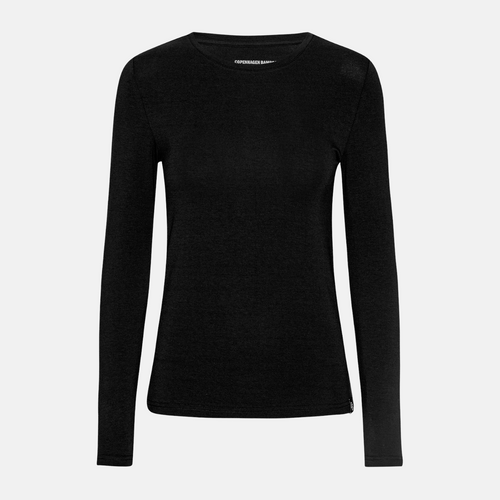
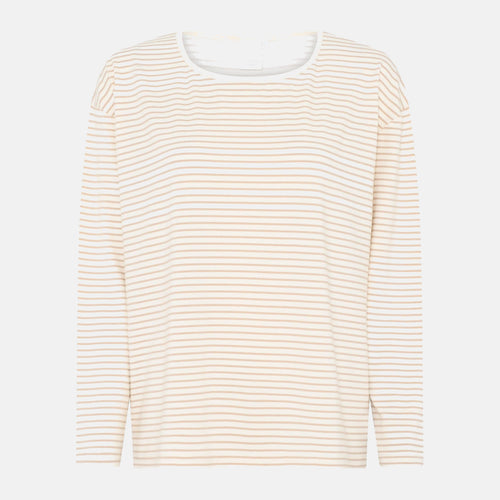
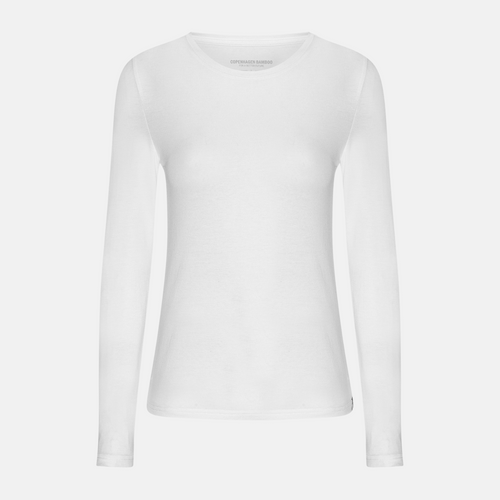
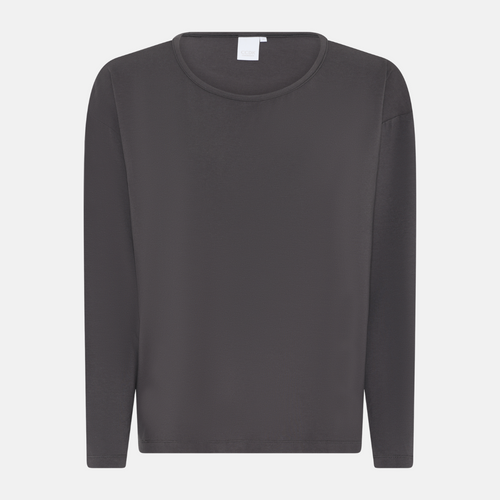
The chain on the inside can be pulled open if the end is not locked, like a run in a stocking. It rarely happens on a new garment, but a hanging thread deserves attention. Do not cut it right at the surface, and do not pull it. See women's long-sleeved bamboo t-shirts and bamboo undershirts for women.
Where to find it on clothes
Check the bottom of a T-shirt and around the sleeve, and you will see the seam clearly. Two lines run at the same distance from the edge all the way round. Once you know the seam, you can quickly tell a hem laid with care from one that is simply stitched down.
Can you imitate it at home
On an ordinary sewing machine you can partly imitate the seam with a twin needle, which puts two parallel lines on the right side. The inside will be a plain thread line without the covering chain. The hem cannot stretch quite the same way, so use a stretch stitch and test on a scrap.
Looking after the hem
Wash the garment according to the care label and avoid tugging at the hem when you take it off. Do not wring sleeves or hems hard, as that strains exactly this seam. Gentle handling keeps the hem flat, and all you need to do is follow the label inside the garment.
Frequently asked questions
Can I imitate coverstitch at home?
Partly, with a twin needle on an ordinary machine. The inside will not get the covering chain, so the hem does not stretch quite the way the original does.
Why does a coverstitch sometimes come undone?
Because the chain on the inside can be pulled open if the end is not locked. Never cut a hanging thread right at the surface or pull it, and the seam will stay together.
Is coverstitch used anywhere other than hems?
Yes, it is also used to join two flat pieces in sportswear. The seam lies flat and can stretch, which suits clothes that move with the body all day.
You can find the full range at Bamboo-Clothing.com.