Dressing at ten degrees below freezing
Short answer: At ten degrees below zero it comes down to three layers and covered extremities. Hands, ears and feet decide whether the trip is comfortable. Here is a simple recipe from the innermost layer down to the socks.
The extremities decide
The body puts its effort into keeping the core warm, so hands, ears and feet are the first places to get cold. If they are well covered, the rest of the body feels better too. In frost, dressing therefore starts not with the thickest jacket but with making sure no exposed spot is forgotten.
The innermost layer
A close-fitting long-sleeved layer in bamboo viscose or wool against the skin. It should sit close so no air can circulate and cool you. The innermost layer moves sweat away and keeps you from getting clammy. See bamboo long johns as a layer under your trousers when the cold bites.
How it should fit
A layer against the skin should fit close without squeezing. If it is too loose, cold air collects between fabric and skin, and moisture is not passed on. If it is too tight, it restricts movement. Choose a size where you can move freely and the fabric follows the body without pressing.
The middle sweater
A thick middle sweater holds the warm air the body makes. The more air in the fabric, the better it insulates. Choose a sweater that is not too tight, so there is room for air between the layers. See bamboo sweatshirts for men as a soft middle layer.
Wind matters more than thickness
In frost, wind matters more than the thickness of the jacket. Still air insulates, moving air cools. A windproof outer jacket keeps the warm air inside the layers and the cold outside. That means tightness counts for more than weight. A thick jacket that lets the wind through is often colder than a thinner, tight one.
A hat that covers the ears
The ears are among the first places to get cold in frost. Choose a hat that covers them fully and fits close without squeezing. Take it off indoors or on a brisk walk if you start to sweat, because a wet hat turns cold quickly and then works against you.
Mittens rather than gloves
Choose mittens rather than gloves, because fingers hold heat better when they lie together. In gloves each finger has its own space and less warmth to share. If you need your fingers, wear a thin glove under the mitten. Then you can take the mitten off for a moment and still have some protection.
The feet
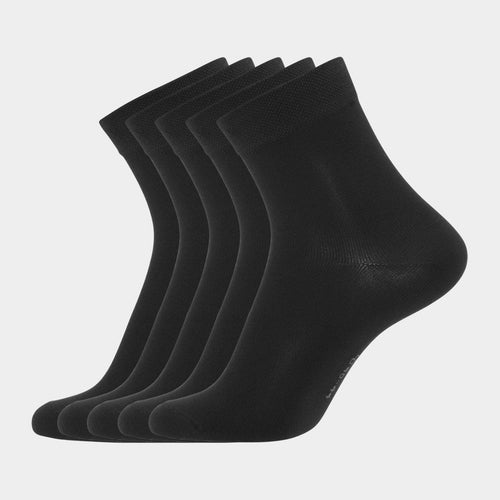
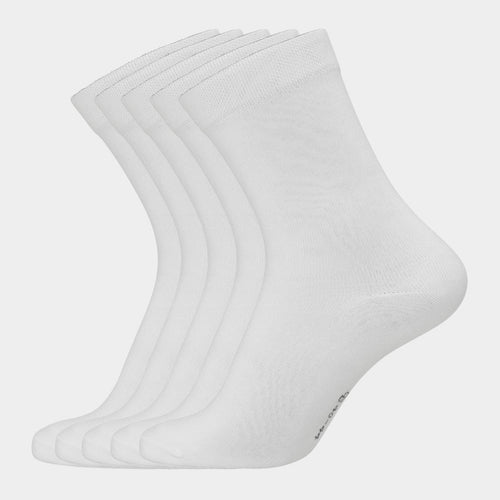
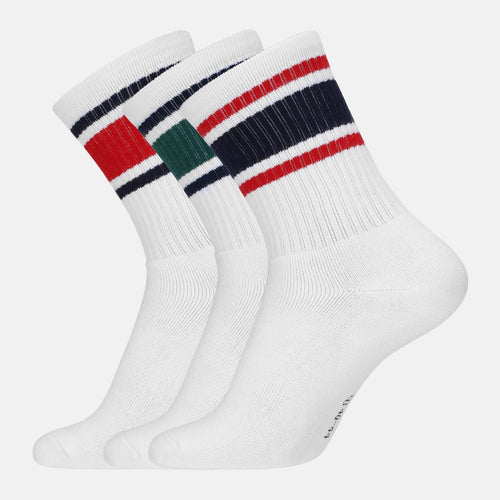
Feet are hard to keep warm because they are far from the core and often stand still on cold ground. Use two layers: thin bamboo socks inside and a wool layer over them. That keeps the feet dry and warm. See bamboo socks for men for the inner layer, and make sure the shoes are not too tight.
Change the damp layer
Often the innermost layer is the reason if you freeze despite many layers. If it is damp, it cools the skin as soon as you stand still. Bring a dry layer if you expect to sweat along the way, and change before you stop. It takes a minute and makes a big difference for the rest of the trip.
Frequently asked questions
How long can you stay outside
With three layers and covered extremities, for hours if you keep moving. If you stand still it gets cold faster, so bring an extra layer and keep an eye on your hands and feet.
Why do you freeze even with many layers
Often because the innermost layer is damp. Change it before you stand still, and make sure the layers are not so tight that they press the air out of the fabric.
Is cotton good for frost
Not as the inner layer. It turns cold as soon as you have sweated, and it holds on to moisture. Choose an inner layer that passes moisture on, such as bamboo viscose or wool.
You can find the full range at Bamboo-Clothing.com.