The layer system explained in three layers
Short answer: Inside, a layer that moves moisture away. In the middle, a layer that keeps you warm. Outside, a layer that stops wind and rain. Each layer has one job, and they work best together. Here is a simple guide to the three layers and to when you can skip one.
The idea behind the layers
The layering system is a simple idea: instead of one thick sweater you wear several thinner layers, each with its own job. That makes it easy to adjust when the weather or your activity changes. Take a layer off or put one on, and you keep an even temperature instead of freezing or sweating.
The inner layer
It lies against the skin and moves sweat away from the body. Bamboo viscose is good here because it absorbs moisture and does not smell quickly. It should fit close without squeezing, so the moisture can move on to the next layer. See bamboo underwear for men, which suits the innermost layer well.
A close fit
An inner layer that fits loosely does not lie against the skin, so it does not move moisture on properly. If it is too tight, it bothers you and limits movement. Aim for a fit that follows the body without pressing. If you can move freely and feel the fabric against your skin everywhere, it fits well.
The middle layer
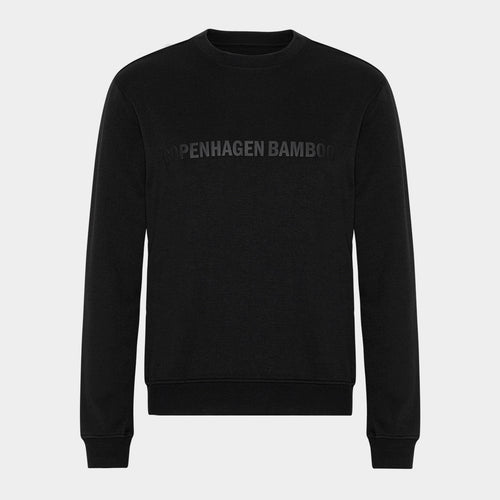
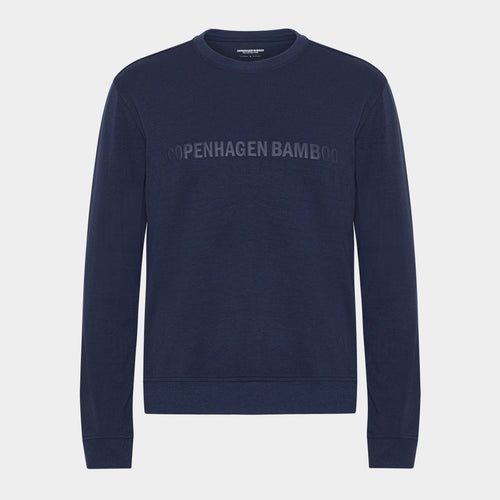
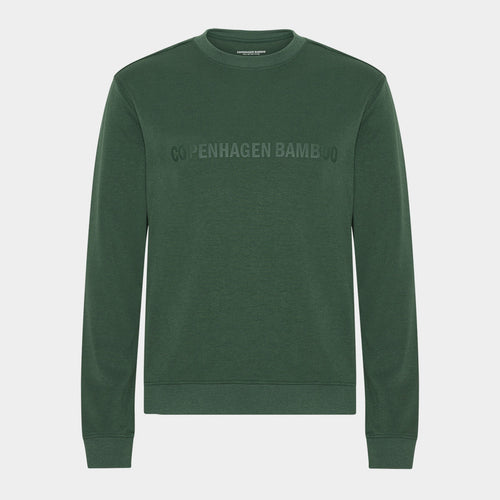
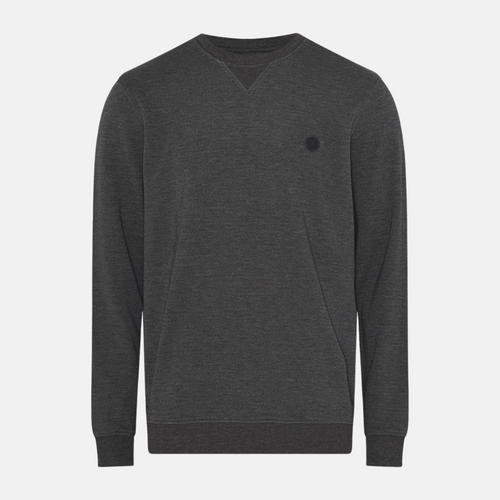
It holds in the warm air the body makes. A sweatshirt or a thin fleece does the job. The more air in the fabric, the warmer the layer. The middle layer should therefore be soft and airy rather than dense and flat. See bamboo sweatshirts for men as an example of a middle layer.
Air is what warms you
It is not the fabric itself that warms you but the air it holds. That is why two thin layers are often warmer than one thick one, since an extra pocket of air forms between them. It also makes it easy to take a layer off if you get warm, without freezing.
The outer layer
It stops wind and water. It does not have to be warm, it just has to be dense. Without it the two inner layers turn cold quickly in a breeze, because the wind carries the warm air away. The outer layer protects the others from the weather. See bamboo clothing for men for the layers closest to the body.
Why cotton is a poor inner layer
Cotton holds on to moisture, and a wet cotton layer against the skin turns cold when you stand still. That is why many people choose a material that moves moisture on. Cotton is not a bad material in itself, but it suits everyday life, where you do not sweat much, better than the innermost layer in the cold.
How many layers in winter
Three layers are enough for most people. Four may be worth it if you stand still outdoors for a long time, for example at a football match or a long wait. If you move a lot, two layers can be plenty. If you notice you are sweating, you are probably dressed too warmly, so take a layer off.
A tool and not a rule
The system is there to help you, not to rule you. Some days one layer is enough, other days all three go on. You can skip a layer when the weather allows and put it back on when it gets colder. Notice how you feel, and adjust from there.
Frequently asked questions
Can you skip a layer
Yes, when the weather allows. The system is a tool, not a rule. On a mild day the inner layer and a jacket can be enough, and on a cold day you put on all three layers.
Why is cotton a poor inner layer
Cotton holds on to moisture and turns cold against the skin when you stand still. An inner layer that passes moisture on to the next layer keeps you drier and comfortably warm.
How many layers in winter
Three are enough for most people. Four may be worth it if you stand still outdoors for a long time. If you move a lot, two layers are often plenty, so you avoid sweating too much.
You can find the full range at Bamboo-Clothing.com.