Drying time and what governs it
Short answer: Drying time depends on how much water is left, how large a surface it can evaporate from, and how quickly the surrounding air can take it up. Those are the three things you can influence when a garment needs to dry.
The amount comes first
The better the spin, the less water is left in the fabric. That is the one factor you control directly, and it matters most. A garment that comes out of the machine merely damp rather than dripping wet has already done a large part of the work before you have hung it up.
The surface comes second
A garment hung out open has many times the surface of a crumpled one. That is why it dries far faster, since air can reach everywhere at once. Shake the piece out and smooth it before hanging, and you open the fabric and give moisture more ways out. See bamboo pajamas for men.
The air comes third
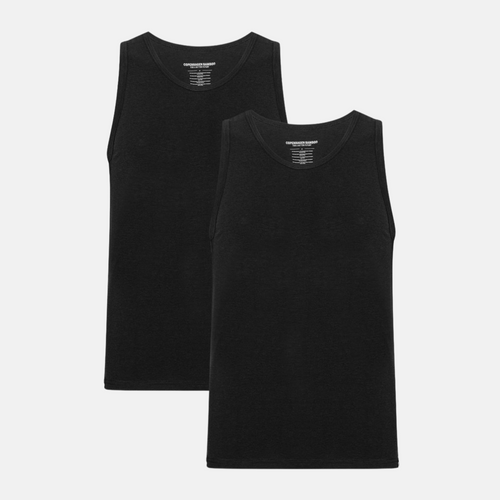
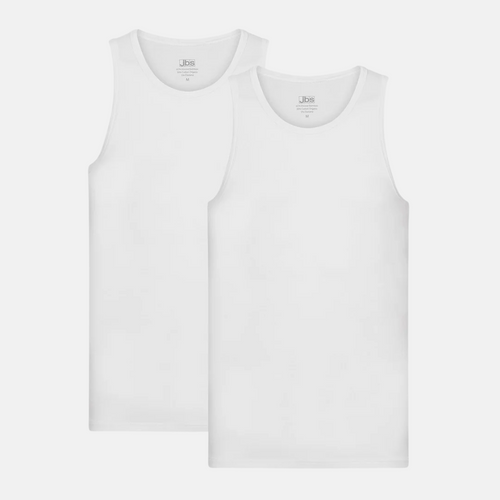
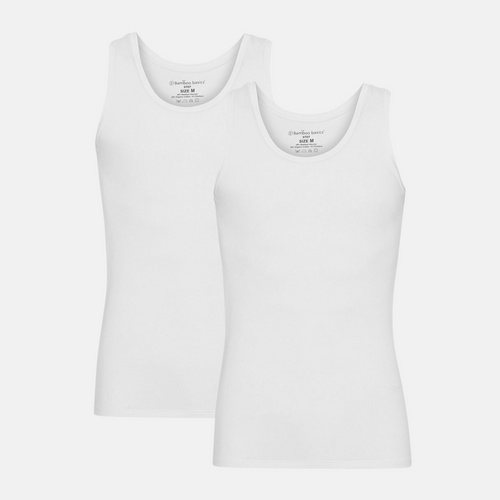
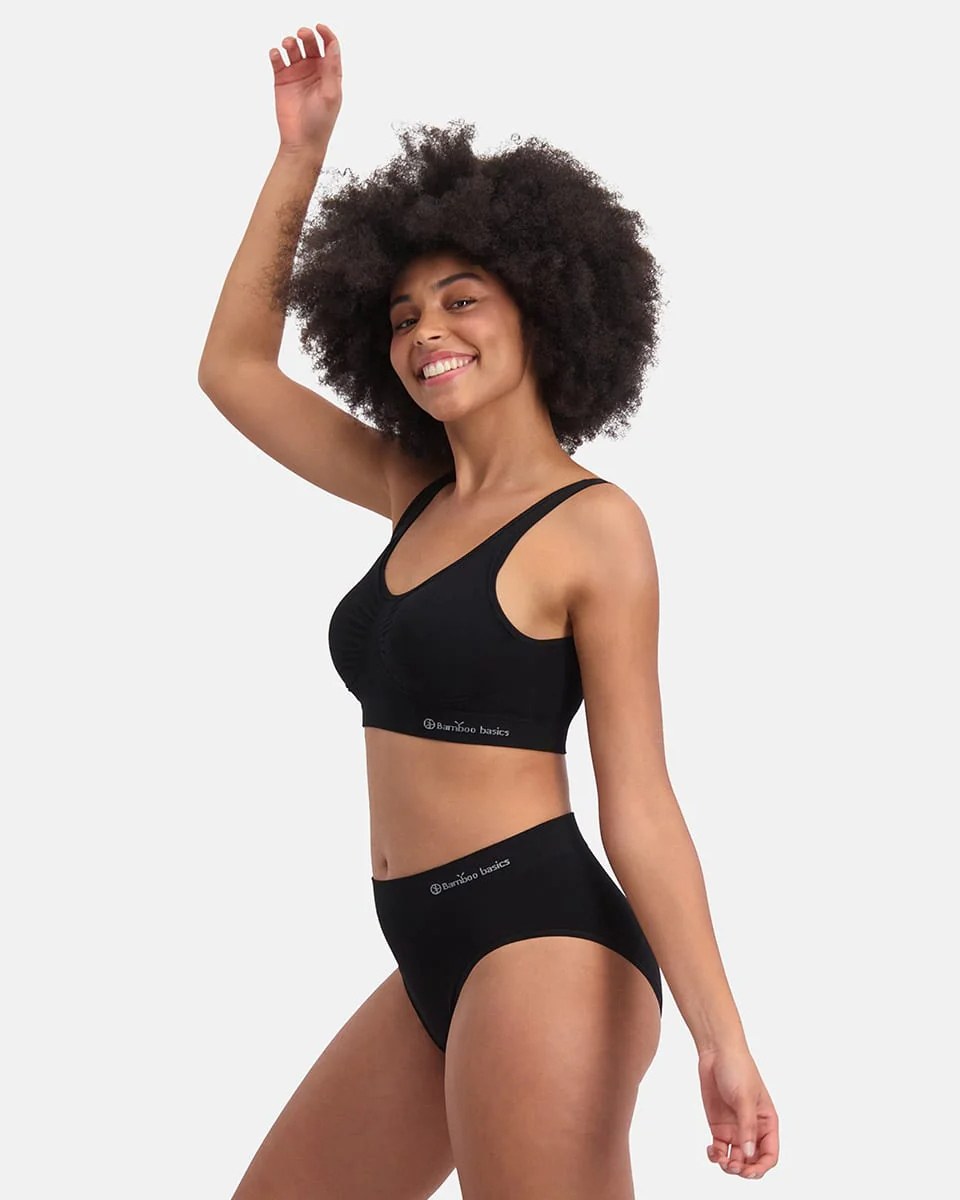
Dry, warm air in motion can take up plenty of moisture. Damp, cold and still air can take up almost none. That is why laundry dries faster in a room with a draught or a light breeze than in a closed, damp room. See bamboo underwear for men and bamboo tank top for men.
How long does a thin garment take
From one to four hours indoors, depending on the air in the room. If the room is dry and lightly heated it goes quickly, and if it is damp and cool it takes longer. Thicker pieces, and those with many layers in seams and waistbands, naturally need longer than thin, simple ones.
Does shaking the piece first help
Yes. It opens the fabric and removes folds where water gathers. A few quick shakes before hanging save you time afterwards, because the moisture does not stay trapped in knots and folded edges. It is a small habit that works surprisingly well and costs nothing.
Why do two identical pieces dry differently
Because one hangs closer and has less free surface. Two identical pieces can dry hours apart if one hangs tight against another or lies squeezed together. Give each piece room so air can circulate all the way around the fabric.
How to hang laundry best
Hang pieces with good spacing so air reaches both sides. Use a drying rack rather than a radiator, and avoid hanging them close together. Lay knitwear flat instead of hanging it. That way the whole load dries evenly and quickly, without some pieces staying damp.
How seams and waistbands dry
Waistbands and seams are the thickest places and dry last. Turn the piece inside out so they reach the air, and give them a little extra time at the end. A piece that feels dry on the flat can still be damp in the seams, and it should be dry before you put it away.
What you can control yourself
You cannot change the weather, but you control the first two factors entirely and influence the third. Choose a good spin, hang pieces open with air between them, and place them where the air is dry and moving. That way you get the most from every drying without using more energy.
Frequently asked questions
How long does a thin garment take
From one to four hours indoors, depending on the air in the room. If the air is dry and lightly warm it goes faster, and if it is damp and cold it takes longer.
Does shaking the piece first help
Yes. It opens the fabric and removes folds where water gathers. A few quick shakes before hanging make drying more even and save time.
Why do two identical pieces dry differently
Because one hangs closer and has less free surface. Give each piece room so air reaches all the way round, and the drying times even out.
You can find the full range at Bamboo-Clothing.com.