Eco-Friendly Washing – Save Water and Electricity
Short answer: Eco-friendly laundry comes down to three things: wash colder, run full loads and leave the tumble dryer alone. Just switching from 60 to 30 degrees saves a large share of the electricity per wash, and air drying costs nothing. As a bonus, your clothes last longer, and in the end that is the most eco-friendly thing of all.
Temperature is the big dial
Most of the electricity in a wash goes into heating the water. If you wash at 30 degrees instead of 60, you save a noticeable amount of energy without changing anything else.
Bamboo clothing likes low temperatures
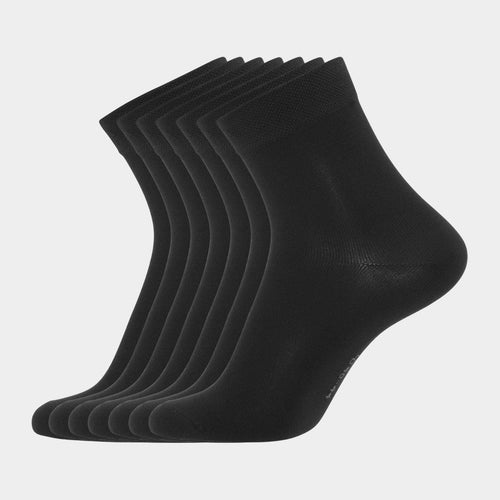
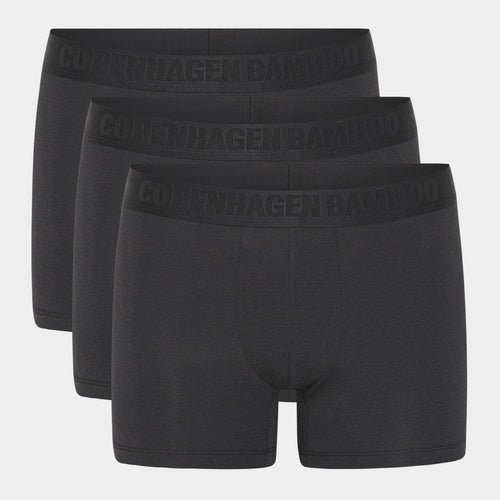
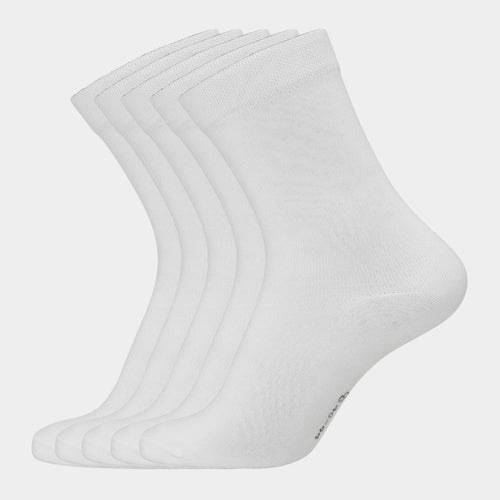
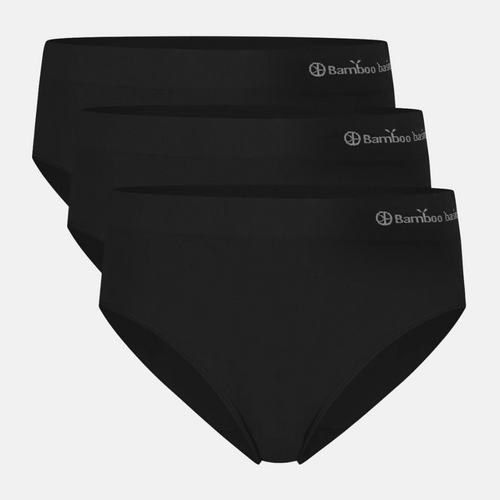
Bamboo viscose already does best at 30 to 40 degrees on a gentle cycle. High temperatures wear the fibres and can make the fabric shrink or lose its shape. When you wash your bamboo clothing cold, you save both electricity and clothes at the same time, and the soft feel lasts much longer.
Fill the machine, but do not cram it
A half full machine uses almost as much water and electricity as a full one. So collect your laundry until there is enough for a proper load. Do not pack the drum completely, though, because clothes need to move freely to get clean.
Skip the tumble dryer
The tumble dryer is one of the most power hungry appliances in the home. Air drying on a rack, a line or a hanger costs nothing and is also far gentler on your bamboo clothing. The heat and tumbling wear down the fibres, while clothes on the line keep their shape and softness for much longer.
Choose the right programme
Many machines have an eco programme that uses less water and energy because it washes a little longer at a lower temperature. For bamboo clothing, a gentle cycle at 30 degrees is a good choice if your eco programme is too rough.
Dose the detergent correctly
More detergent does not make clothes cleaner. The excess settles in the fibres, can cause odour and needs extra rinsing. Follow the dosage on the pack based on how hard your water is and how dirty the clothes are. Choose a mild detergent without bleach and skip fabric softener entirely, because it leaves a film on bamboo fibres.
Wash less, air more
A lot of clothing is washed before it is actually dirty. A jumper or a pair of trousers worn for only a few hours can often be hung up to air and worn again. Bamboo viscose moves moisture away from the skin, so many people find the clothes smell less. Underwear and socks should still be washed after every wear.
Treat stains before washing
A stain treated straight away rarely needs a hot wash. Rinse the stain in cold water, dab on a little mild detergent and let it work for a while before the garment goes in the machine. That way you can stick to 30 degrees, even after a mishap with coffee, gravy or grass.
The biggest gain is clothing that lasts
Every extra year a garment lasts saves making a new one, and that matters more than any single wash. Gentle washing extends the life of everything from bamboo clothing for men to bamboo clothing for women. When you wash cold, run full loads and air dry, you look after both the environment and your wardrobe.
Small habits, big difference
None of these tips require new equipment or more time. It is about turning the dial down, waiting until the basket is full and hanging your clothes up instead of switching on the dryer. Make it a routine and your clothes will look better for years. See also complete washing guide for bamboo clothing, honest guide to bamboo and the environment and bamboo and economics.
Frequently asked questions
Do clothes get clean at 30 degrees?
Yes, everyday clothes get clean at 30 degrees with a modern detergent. Very dirty clothes or stains may need pre-treatment, but rarely a higher temperature.
Is the eco programme always best?
It usually uses less energy because it washes longer at a lower temperature. If it is too rough for your bamboo clothing, choose a gentle cycle at 30 degrees instead.
Why should I avoid the tumble dryer?
The dryer uses a lot of electricity, and the heat wears the fibres. Air drying is free and helps bamboo clothing keep its shape and softness, even after many washes.
You can find the full range at Bamboo-Clothing.com.