Fibre length and why it governs pilling
Short answer: The longer the fibres in the yarn, the fewer ends can stick out. Fibre length is the single factor that matters most for how quickly a fabric pills. Twist and knit can soften the effect, but they cannot remove the difference entirely.
Fewer ends per metre of thread
A thread of long fibres has fewer ends over the same length than a thread of short fibres. There are simply fewer places where a fibre can come loose and lift in the surface. Every fibre end is a small starting point for pills, and the fewer there are, the calmer the fabric stays.
How a pill forms
A pill forms when a loose fibre end works its way out of the thread and is rubbed together with neighbouring fibres into a small ball. Rubbing from sleeves, seat belts and bag straps is enough to start it. The ball stays on the fabric because it is still anchored in the thread.
Longer fibres hold better
A long fibre is twisted into the thread in several places and stays put even when the fabric is rubbed. A short fibre has only a few turns to hold on to and pulls out more easily. That is why fabric made of long fibres often feels smoother. See Egtved.
What is chosen in practice
Viscose fibres are cut to a fixed length at the factory, and that length is chosen according to what the fabric is for. Close skin contact and frequent rubbing point towards longer fibres. The choice is made long before the thread reaches the knitting machine and cannot be corrected afterwards.
Close to the skin all day
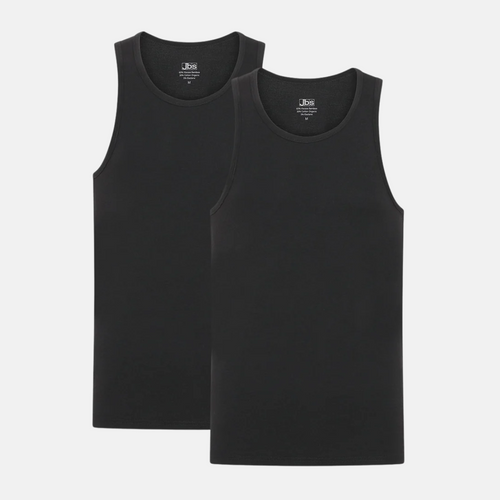
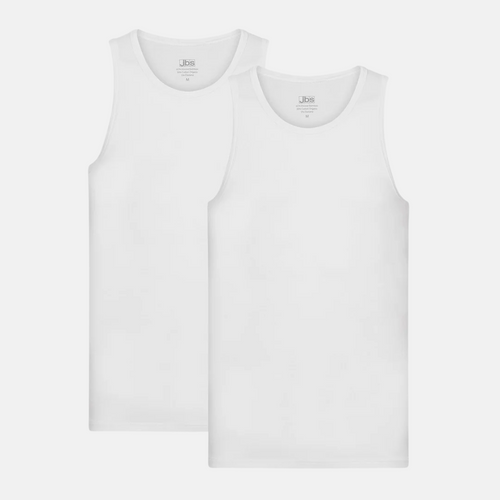
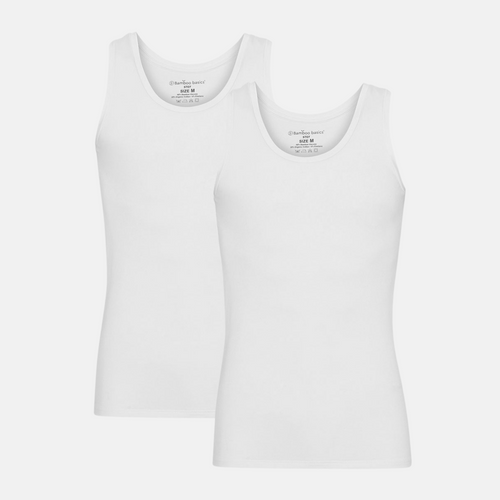
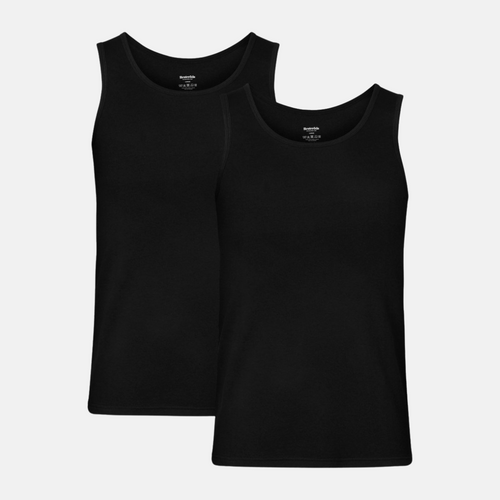
Underwear and layers close to the body are exposed to rubbing all day because they move with you. Here fibre length matters even more for how the surface looks after many washes. See bamboo inner shorts and bamboo tank top for men for pieces worn close to the body.
Twist and knit help
Fibre length is not the only thing that counts. A firmer twist holds the fibres better in place, and a dense knit offers fewer places where they can come loose. A fabric can therefore have short fibres and still pill less if the rest of the construction is chosen with care.
Can you feel fibre length
Not directly, but indirectly. Long fibres give a smoother surface and less fuzz, and you notice it when you run a hand over the fabric. A fabric of short fibres often feels a little airier and fuzzier, especially after being worn and washed many times.
Keeping pills down
Turn the garment inside out, wash on a gentle programme, and avoid washing it with rough items such as jeans and zips. Tumble drying adds rubbing and is best skipped. If pills appear anyway, they can be lifted off carefully with a fabric shaver without pulling the fabric.
How to read it as a buyer
Fibre length is rarely printed on the product, so you have to look and feel for yourself. Study the surface, rub the fabric lightly between two fingers and read the care instructions. A fabric that already looks fuzzy in the shop rarely becomes smoother with time.
Frequently asked questions
Is fibre length ever printed on the label?
No. It sits in the purchase of the yarn and is rarely mentioned outwardly, so judge the fabric by its surface and the feel in your hand.
Can I feel the fibre length?
Indirectly. Long fibres give a smoother surface and less fuzz, so a fabric of long fibres often feels more closed when you run a hand across it.
Do all fabrics with short fibres pill?
Yes, to a greater or lesser degree. Twist and knit can soften it, but they do not fully remove the difference from fabric of long fibres.
You can find the full range at Bamboo-Clothing.com.