Flat seams and why they cost more
Short answer: Flatlock is a seam that lies flat with no ridge on the inside. It needs a special machine and more time to produce, but in return it does not chafe against the skin, and that is why it costs more than an ordinary overlock seam on the same item.
What a flatlock seam is
Two pieces of fabric meet edge to edge instead of being layered on top of each other. The machine stitches the thread flat on both sides, so no ridge builds up on the inside. The result is a seam you can barely feel through the fabric, even when the garment sits close to the skin all day.
Ordinary overlock creates a ridge
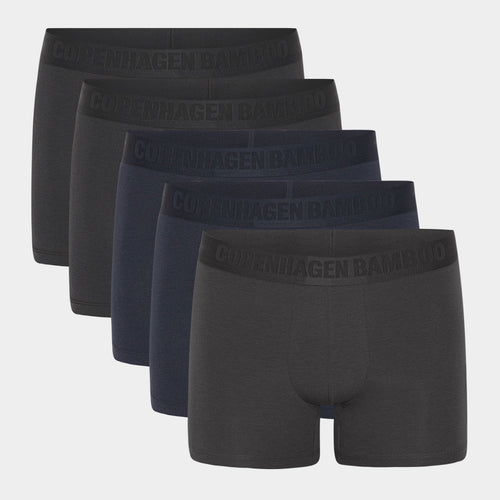
An overlock seam gathers the fabric edges and stitches them into a small ridge on the inside. It holds well and is cheap to produce, but the ridge can be felt as a line under tight clothing. See bamboo underpants for men , where the seam is often the first thing people notice about the fit.
Flatlock lies completely flat
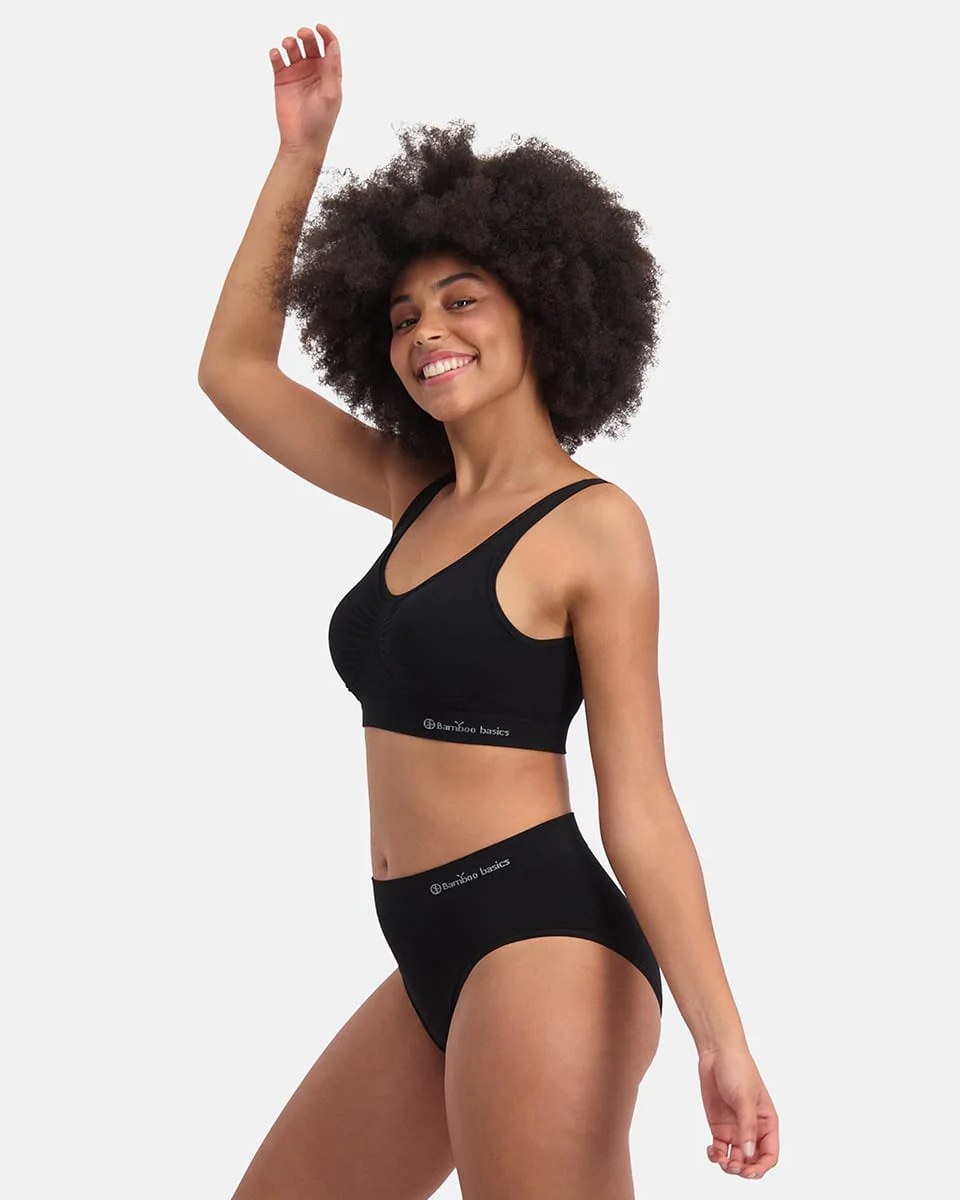
Flatlock stitches two pieces of fabric edge to edge, so no ridge is left behind. That is what you feel as a seamless sensation, even though the fabric is technically sewn rather than knitted in one piece. See bamboo panties , where the technique is used precisely because the seam sits close to the skin.
Why it takes longer to make
A flatlock machine has to guide two layers of fabric precisely against each other while stitching the thread flat in both directions at once. That runs slower than an ordinary overlock, and the machine itself costs more to buy. The extra time and the pricier equipment add directly to the cost of the finished piece.
Where it matters most
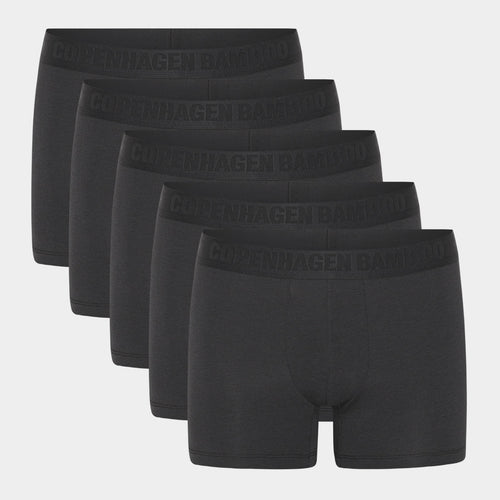
In the crotch, under the arms and on the inner thigh the friction is greatest, because the fabric moves against the skin all day long. See bamboo underwear for men , where the seams are placed with exactly that in mind. Elsewhere on the body the difference between overlock and flatlock is rarely felt as clearly.
Flatlock is not the same as seamless
Seamless garments are knitted in one continuous piece with no seam at all. Flatlock is still sewn from two pieces of fabric, just with a technique that makes the seam flat instead of raised. Both solutions aim for the same result, but they use entirely different methods and different equipment in production.
How to spot it on a garment
Turn the garment inside out and look at the seam at the crotch and the heel. If it lies flat and smooth with no raised edge, it is flatlock. If there is a clear ridge you can pinch between two fingers, it is ordinary overlock. The difference is easy to feel, even without knowing the technique behind it.
How durable a flatlock seam is
Flatlock seams are generally just as durable as overlock, because both techniques anchor the thread firmly in the fabric. The main difference lies in comfort, not lifespan. A flatlock seam that comes undone is rarely as easy to repair as an overlock seam, because the thread pattern is more complex.
Who notices the difference the most
Anyone who wears clothing close to the body for many hours at a time notices the difference most clearly. That includes underwear, sportswear and close-fitting basics, where the skin is in constant contact with the seam. With looser clothing such as shirts and trousers the seam type matters less, because the fabric does not sit directly against the skin.
Frequently asked questions
What is a flatlock seam
A seam where two pieces of fabric meet edge to edge and lie completely flat with no ridge on the inside. It requires a special machine that stitches the thread flat on both sides at once.
Is seamless underwear the same as flatlock
No. Seamless is knitted in one piece with no seam at all, while flatlock is still sewn from two pieces of fabric, just with a technique that makes the seam flat.
Where do you feel seams the most
In the crotch and on the inner thigh, where the fabric moves against the skin all day long. That is also where a flatlock seam makes the biggest difference in comfort.
You can find the full range at Bamboo-Clothing.com.