French terry in sweat clothing
Short answer: French terry has a smooth right side and small uncut loops on the reverse. The loops make the fabric soft and airy, which is why french terry feels cooler to wear than brushed sweat fabric of the same thickness.
How the fabric is built
In french terry, uncut loops sit on the inside of the fabric, while the outside stays smooth and even. The loops hold air between them and absorb moisture from the skin at the same time, without the fabric becoming thick or heavy to wear. It is this combination of a smooth outside and looped inside that gives the fabric its distinctive feel.
French terry versus brushed sweat fabric
Brushed sweat fabric has raised loops, where the surface has been brushed into an airy, fluffy inside that insulates more. French terry keeps its closed loops instead and is therefore cooler, which makes the fabric better suited to spring and autumn and to indoor wear where you want to avoid sweating unnecessarily under a top.
Why it holds moisture
The loops in french terry work a little like towel fabric, because the large surface absorbs moisture from the skin effectively. That makes the fabric comfortable worn directly against the body, even during light activity during the day. Bamboo viscose strengthens this property further, since the fibre already absorbs moisture well and releases it back into the air.
Where it is used
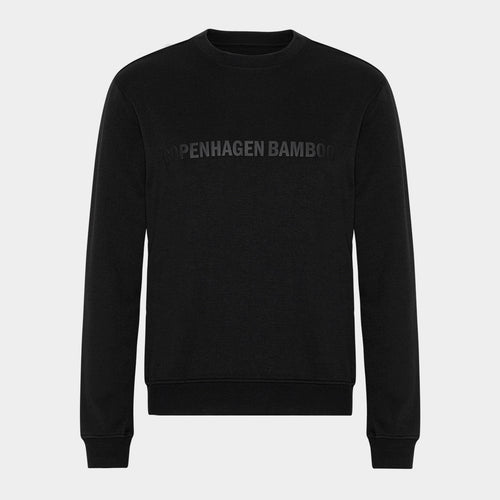
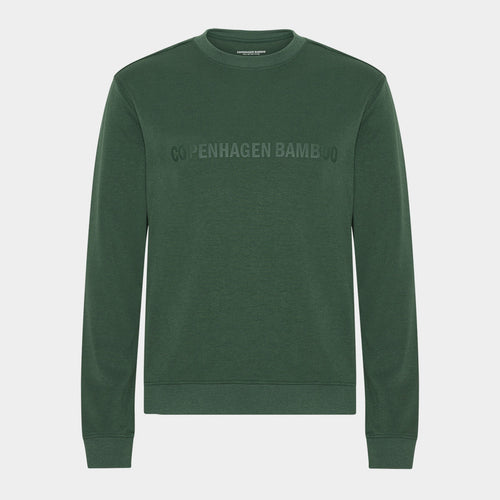
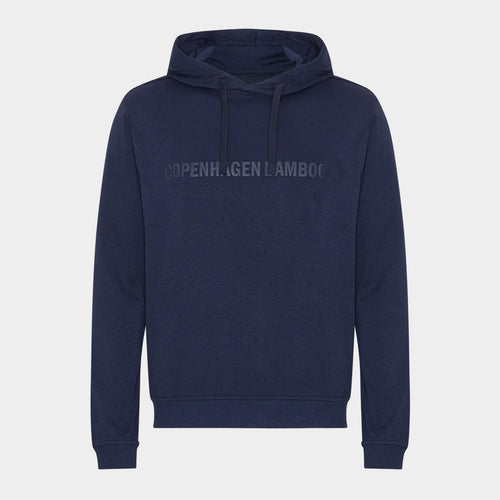
Sweatshirts, hoodies and jogging trousers in bamboo are often made in french terry, precisely because the combination of softness and cooling suits an indoor everyday routine and light movement. See bamboo sweatshirt for women and bamboo jogging suit for women, where the fabric is used throughout both top and trousers.
Weight and drape
French terry is lighter than brushed sweat fabric at the same thickness, because the loops hold more air and less yarn than a brushed surface. That gives a fabric that drapes softly and does not feel stiff or heavy, which becomes clear when comparing two tops of otherwise the same cut and size.
Caring for french terry
Wash it inside out where possible, so the loops do not rub directly against the drum and drum sides during washing. Avoid fabric softener, which settles around the loops and fills them, so the fabric loses some of its airiness and ability to absorb moisture. See sweatwear, where several styles are sewn in french terry.
How it keeps its shape
Because the loops are not brushed, the yarn works less and therefore twists out of shape less often after many washes. That gives french terry an advantage over time compared with brushed fabrics, whose surface gradually becomes thinner and smoother with every wash it goes through in the machine.
Use in summer
Although french terry belongs to the sweat category, it can be worn in the evening even in warmer months, because it is one of the coolest sweat fabrics available. That makes the fabric a sensible choice for transitional seasons, where you want to avoid both feeling cold and sweating too much in an ordinary sweatshirt.
Snagging and durability
The loops in french terry can pull or form small snags if they catch on something sharp, such as a zipper or a rough surface. Turn the fabric inside out for washing, and avoid storing it together with items that have sharp edges or hooks that can catch on the loops.
Frequently asked questions
Frequently asked questions
Is french terry warm to wear
Mildly. It warms less than brushed sweat fabric but more than a plain t shirt, because the loops still hold a fair amount of air between them.
Does french terry snag easily
The loops can pull if they catch on something sharp. Wash the fabric inside out and avoid storing it together with rough items or sharp edges.
Can you wear french terry in summer
Yes, especially in the evening. It is one of the coolest sweat fabrics, because the loops are not brushed and therefore hold less warmth.
You can find the full range at Bamboo-Clothing.com.