From bamboo plant to fibre step by step
Short answer: Bamboo is harvested, chipped and cooked into a cellulose pulp. The pulp is dissolved chemically, pressed through a nozzle into threads and hardened in a bath. The result is viscose fibre, which is spun into yarn and woven or knitted into fabric.
From plant to chips
The process starts with the bamboo plant itself. The stalks are harvested and cut or chipped into small pieces so they are easier to work with. It is the stalks that are used, not the leaves. The chips are the raw material for the next step, where the plant is broken down so the pure cellulose can be extracted.
From chips to pulp
The chips are cooked with chemicals so the cellulose separates from the rest of the plant. What remains is a pale pulp that resembles paper pulp. The cellulose is what the fibre is later built from, so it should be as pure as possible. The rest of the plant material is sorted out before the pulp moves on.
From pulp to solution
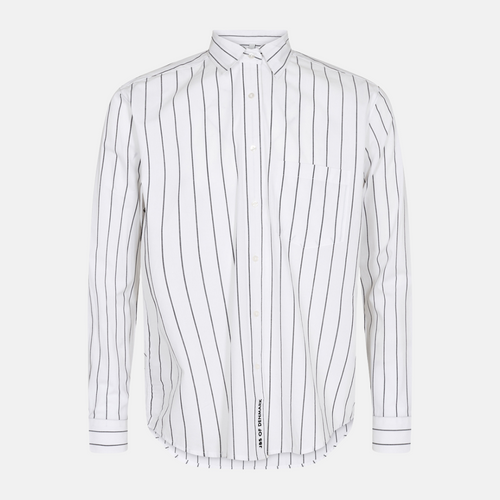
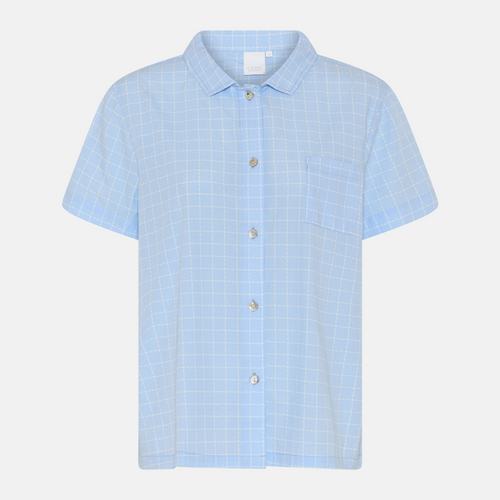
The pulp is treated so it can be dissolved into a thick liquid. This step makes the product a chemically made fibre, which is why it is not called a pure natural fibre. The liquid is the raw material for the thread itself. It ends up as soft fabric in, for example, bamboo shirts for women.
From solution to thread
The liquid is pressed through a nozzle with thousands of tiny holes into a bath, where it solidifies into long threads. Each hole gives one fine thread, and hundreds of them are gathered into a fibre. The nozzle is an important part of the process, because the size of the holes decides how thick the thread becomes.
Hardening in the bath
In the bath the liquid changes state and becomes solid cellulose again. This is called regenerated cellulose, and it is why viscose is not the same as cotton or linen, which grow as fibres. The threads are rinsed, dried and collected so they can go on to the spinning mill, where they become yarn for fabric.
From thread to yarn and fabric
The threads are spun into yarn, and the yarn is woven or knitted into fabric. The fabric is then dyed and finished before it is cut and sewn into garments. Each step affects how the finished fabric feels, how it drapes and how it holds up in the wash. That is why two viscose garments can feel different.
Why it is called viscose from bamboo
Because the fibre is made with the viscose process using bamboo as the raw material. The process is the same as for viscose from other plant materials, and it is the raw material that gives the name. On the label you can therefore see both the word viscose and the word bamboo, describing the same material.
Is it a natural fibre
The raw material is natural, but the fibre is made chemically. It is called regenerated cellulose. That is not the same as a fibre harvested and spun without chemical dissolving, like cotton or wool. It is honest to say that bamboo viscose sits somewhere between natural and synthetic.
How long does the process take
From chips to finished fibre, the process typically takes a few days in a continuous plant. Then come spinning, knitting or weaving, dyeing and sewing, each taking its own time. If you would like to see the range, look at offers for women or visit Resteröds.
Frequently asked questions
Why is it called viscose from bamboo
Because the fibre is made with the viscose process using bamboo as the raw material. The raw material gives the name, while the process is the same as for viscose from other plant materials.
Is it a natural fibre
The raw material is natural, but the fibre is made chemically. It is called regenerated cellulose and sits between natural and synthetic fibres.
How long does the process take
From chips to finished fibre, typically a few days in a continuous plant. Then come spinning, knitting or weaving, dyeing and sewing, each taking its own time.