How the elastane percentage relates to comfort
Short answer: A little elastane gives freedom of movement, a lot gives pressure. Two to five percent suits everyday clothing, while higher numbers belong to compression and sport. The percentage tells you how close a garment will fit, not how well it is made.
What the percentage tells you
The percentage shows how much of the fabric's weight is elastane. Even small numbers make a big difference to how a garment fits and moves. It is a measure of function, not of quality. So check the number on the label before you buy, and choose by what you will use the garment for.
Under five percent
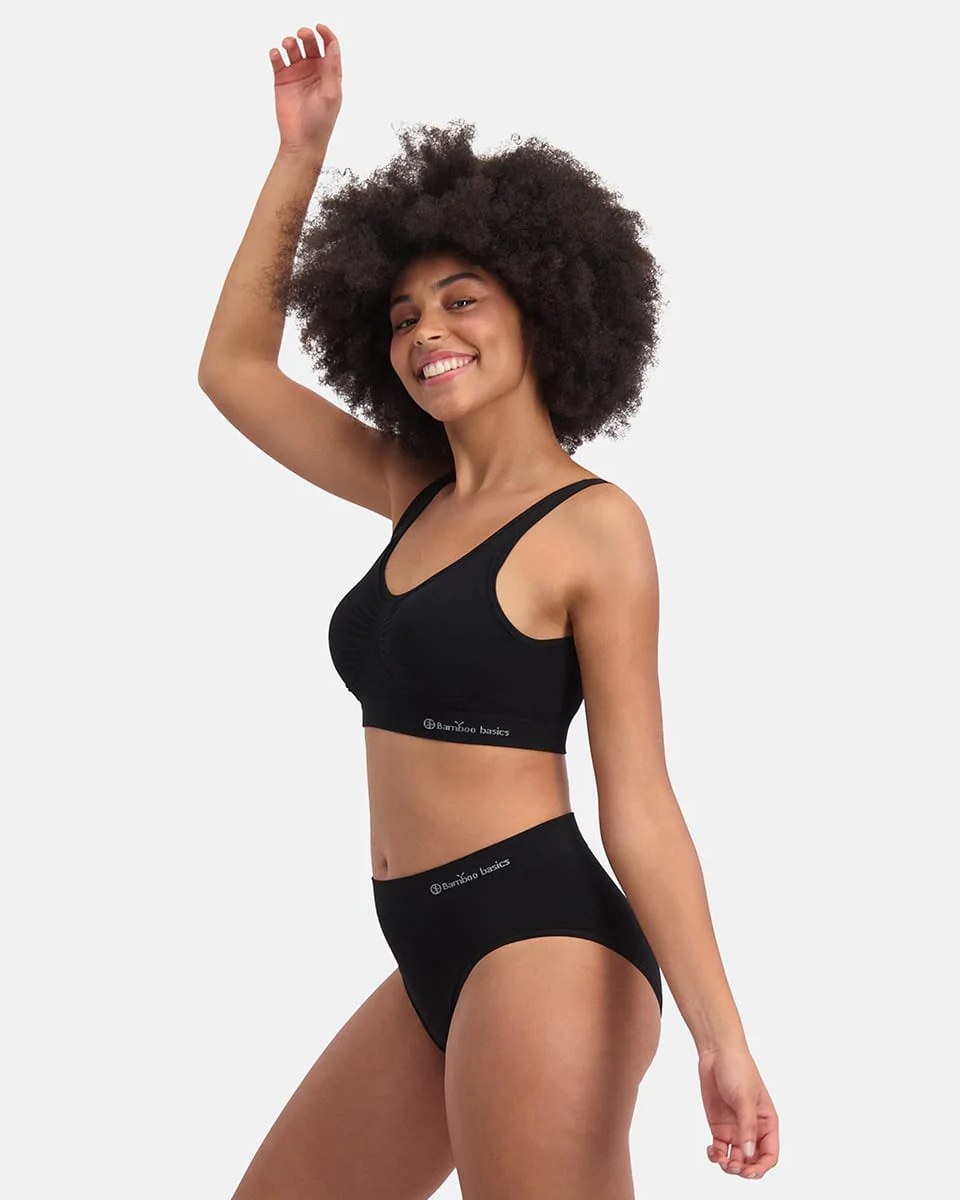
Here the fabric follows the body and goes back, but it does not squeeze. It is the level in most T-shirts, underpants and briefs, where you want softness and freedom rather than pressure. For everyday wear it is often the most comfortable, because the fabric gives easily and leaves no marks on the skin.
Five to ten percent
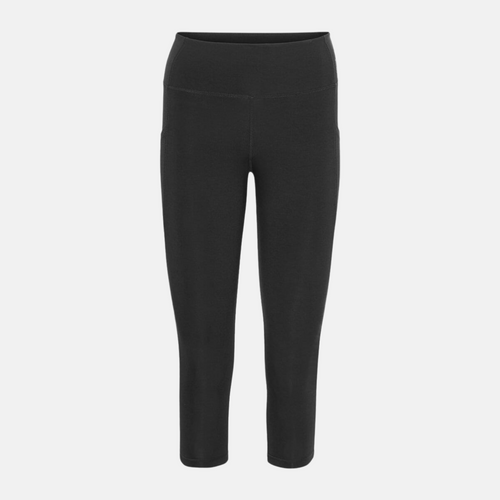
Here the fabric starts to hold actively. It is used in sportswear and in styles meant to fit very close. For movement, bamboo leggings for women can be a good choice if you like clothing that stays put and does not shift as you move.
Over ten percent
Now we are talking about compression, where the pressure is part of the purpose. It is a different type of garment with a different purpose, used differently from everyday clothing. The aim here is not comfort in the usual sense but support and pressure for particular situations. For daily life it is rarely what you are looking for.
Elastane is not the same as quality
More elastane does not mean better quality. It is a choice of function, not of quality. A garment with little elastane can be excellently made, and one with a lot can be thin and worn. So compare only garments with the same purpose, and let the percentage tell you about fit, not durability.
What you notice day to day
The difference between two and five percent can be felt clearly. Five percent fits noticeably closer and pulls more on the fabric when you move. Two percent gives more air and freedom. If you have not tried both, try one of each and notice what suits you and your everyday life.
Choose by purpose
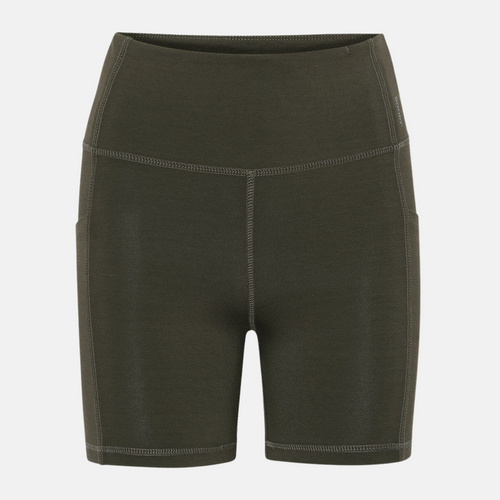
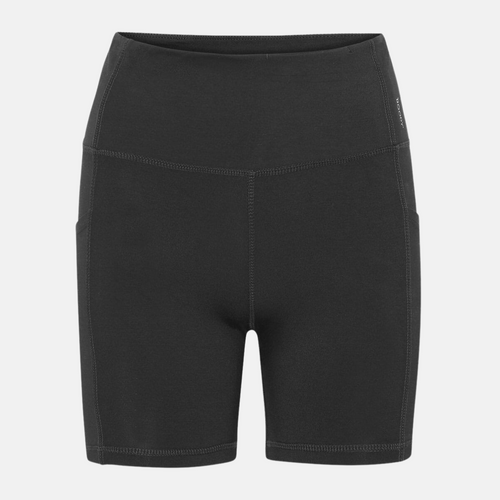
If you sit at a desk all day, a low percentage is often the most comfortable. If you run or train, a higher one can give support. For sport there are bamboo training pants for women and bamboo training clothes for women, which you can compare by how close you want the fit.
Read the label
The number is on the label or in the product description. Read it as part of the whole, together with the fibre, the knit and the weight of the fabric. A garment with little elastane and a dense knit can fit as firmly as one with more elastane and a loose knit, so the number alone does not tell you everything about fit.
Elastane and lifespan
Elastane is the part of a garment that ages first, whatever the percentage. Heat, sweat and constant stretch slowly break it down. So a garment lasts longer if you wash at a low temperature, avoid the tumble dryer and rotate between several garments. That gives the elastane rest between wears, and the fit holds for longer.
Frequently asked questions
What is most comfortable day to day
Two to five percent for most people, more if you prefer close-fitting clothes. It gives softness and freedom without pressure and is the usual level in everyday clothing.
Does more elastane mean better quality
No. It is a choice of function, not of quality. A garment with little elastane can be just as well made as one with a lot, if it is used correctly.
Can you feel the difference between two and five percent
Yes, clearly. Five percent fits noticeably closer, while two percent gives more air and freedom. Try both to find out what you prefer.