Hand washing step by step
Short answer: Fill the sink with lukewarm water, add a teaspoon of mild detergent, leave the garment for ten minutes, rinse well and press the water out without wringing. It protects the fibres and the shape, and it only takes a few minutes of your time.
Why wash by hand
Hand washing is the gentlest way to clean delicate clothes, because the fabric is not thrown around in a drum. That matters most for pieces with elastic, lace or thin viscose fabric. You decide how firmly to squeeze, and you can see straight away whether a mark needs a second go in the water.
How to do it
Use water at about 30 degrees, which feels lukewarm on the hand. Stir the detergent into the water before the garment goes in, so no lumps of concentrated product touch the fabric. A teaspoon of mild detergent is enough for a normal hand wash. Push the garment under and let it soak through.
The water temperature
Lukewarm water cleans well enough for everyday dirt and is kind to colours and elastic. Hot water can make clothes shrink or lose their shape, and cold water dissolves detergent less well. Test the water with your hand and check that it feels neither cold nor hot before you put the garment in.
Time in the water
Squeeze the garment gently a few times, then leave it for ten minutes. That is long enough for the detergent to loosen everyday dirt and sweat from the fibres. You do not need to rub or scrub. If there is a clear mark, press the fabric gently against itself on the spot.
Rinsing decides the result
Rinse with clean water until no more soap bubbles appear. Detergent residue makes fabric stiff and can itch against the skin, so it is worth the time. Rinse once too often rather than too little, and change the water each time it turns cloudy with soap.
Getting the water out
Press the garment together between your hands and let the water run off. Then lay it on a clean towel, roll the towel up and press lightly. The towel takes most of the water, so the garment is only damp when you hang it up. Never wring wet viscose, because the fibres are weak when wet.
Why you should not wring
Wet viscose fibres break more easily than dry ones. Wringing the garment can leave permanent creases and a worn look that does not disappear in the next wash. It is one of the mistakes that most often costs clothes their shape. Press and pat instead, and the fabric keeps its smoothness and drape.
For delicate pieces
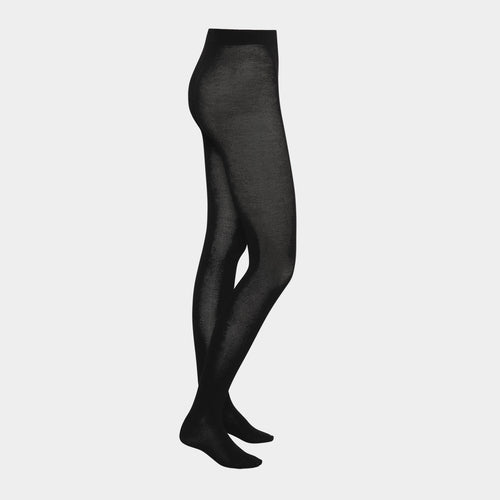
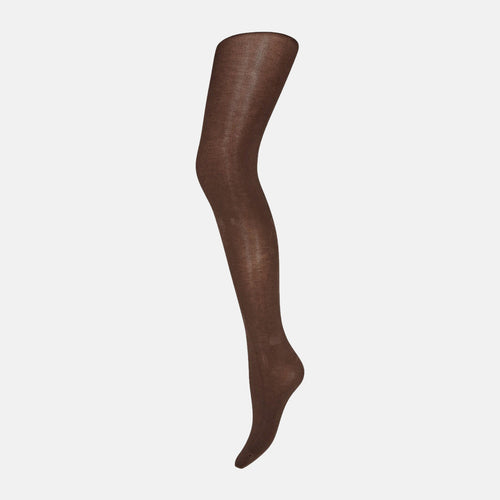
Underwear in particular suits this method. See bamboo bra without underwire, where cups and straps should be handled calmly. See also bamboo underwear for women and bamboo tights for women, which also cope well in a bowl of lukewarm water.
Drying afterwards
Do not hang the garment up straight away if it is still heavy with water. Let it dry on a towel or drape it lightly over a rack, so it is not pulled out of shape. Air around the fabric speeds up drying, and moisture does not stay in the seams. Keep it away from direct heat from radiators.
Frequently asked questions
How long should it soak
Ten to fifteen minutes is enough for ordinary dirt. Longer makes no difference, and you do not need to rub the garment or leave it in the water overnight.
Can you use shampoo
Yes, in an emergency it will do. Use only a little because shampoo foams a lot, and rinse until the water stays completely clear.
Why should you not wring
Because wet viscose fibres break more easily than dry ones. Wringing leaves permanent creases and can pull the garment out of shape, so press the water out gently instead.
You can find the full range at Bamboo-Clothing.com.