How a garment is priced from factory to shelf
Short answer: The factory price covers fabric, sewing and packaging. Transport, duties, storage, returns, marketing and VAT are added before the shop price is set, so the factory price alone says little about what a garment costs in the shop.
What the factory price covers
The factory price is what the factory charges to sew a garment. It covers fabric, labour at the sewing machines, thread, labels and packaging. It applies to a whole batch, so it depends on how many pieces are ordered at once and how simple the garment is to sew.
Fabric and sewing weigh less than people think
Many people assume most of the price goes to fabric, but that is rarely true. Fabric and sewing are often a smaller share of the final price than expected. A plain T-shirt needs little material, and the rest of the price builds up between the factory and the customer.
Transport and duties come on top
Once goods leave the factory they must be transported, often far, by ship or truck. Duties can be added when goods cross a border, along with fees for paperwork and inspection. These costs sit on top of the factory price and vary between countries and seasons.
Storage and shipping to the customer
A garment has to sit somewhere until someone buys it. Storage costs rent, power and people who pack and find the goods. Once an order is placed, the parcel must reach the customer. Freight is therefore part of the calculation, whether it shows as its own line or is built into the price.
Returns and losses are part of the sum
When some goods are sent back, the cost of those returns must be paid by the items that are kept. It is built into the price in advance. Some garments are also lost, damaged or left unsold. See men's bestsellers for a selection that works in everyday life.
Marketing and running the shop
A shop also has to be found. Adverts, photos, newsletters and a website that works cost money, and so do the staff who answer questions and pack orders. These costs are spread across the garments sold, so every item carries a small share of running the shop.
VAT is added on top of everything
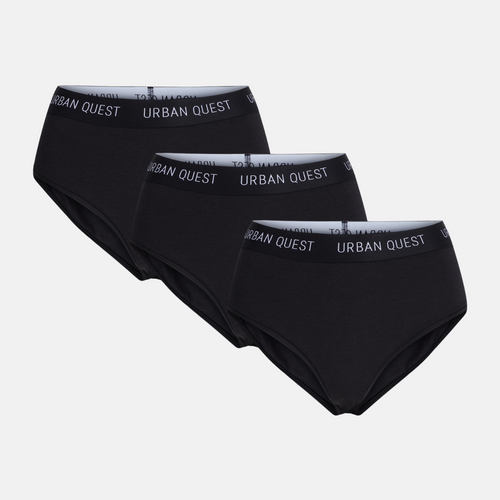
VAT is added on top of the whole price and passed on to the state. It is not income for the shop. When you see a price with VAT, a fixed part of it is already set aside for tax. To compare two brands, look at Urban Quest and Decoy.
Why two similar garments can cost different amounts
Two T-shirts that look alike can cost different amounts, because fabric quality, order size and the costs behind the shop are not the same. A large order often lowers the price per piece, while a small run is dearer to sew. Season, time in storage and the choice of supplier also play in.
How to read a price
A high price does not always mean better quality, because it also covers marketing and shop running costs. Look instead at the fibre content, care label and fit, and think about how often the garment will be worn. A piece you wear often and for years costs less per wear than one left in the wardrobe.
Frequently asked questions
Why do two identical T-shirts cost different amounts?
Because fabric quality, order size and the costs behind the shop differ. Factory price, transport, duties, storage and marketing vary between brands, so two similar garments can have very different sums behind them.
Does a high price mean better quality?
Not always. The price also covers marketing and the running of the shop. Look at the fabric, the finish and the care label rather than relying only on the number on the price tag.
What does a shop earn on a garment?
It varies, but part of the gap above the factory price goes to storage, freight, returns and running costs. VAT goes to the state and does not stay with the shop.
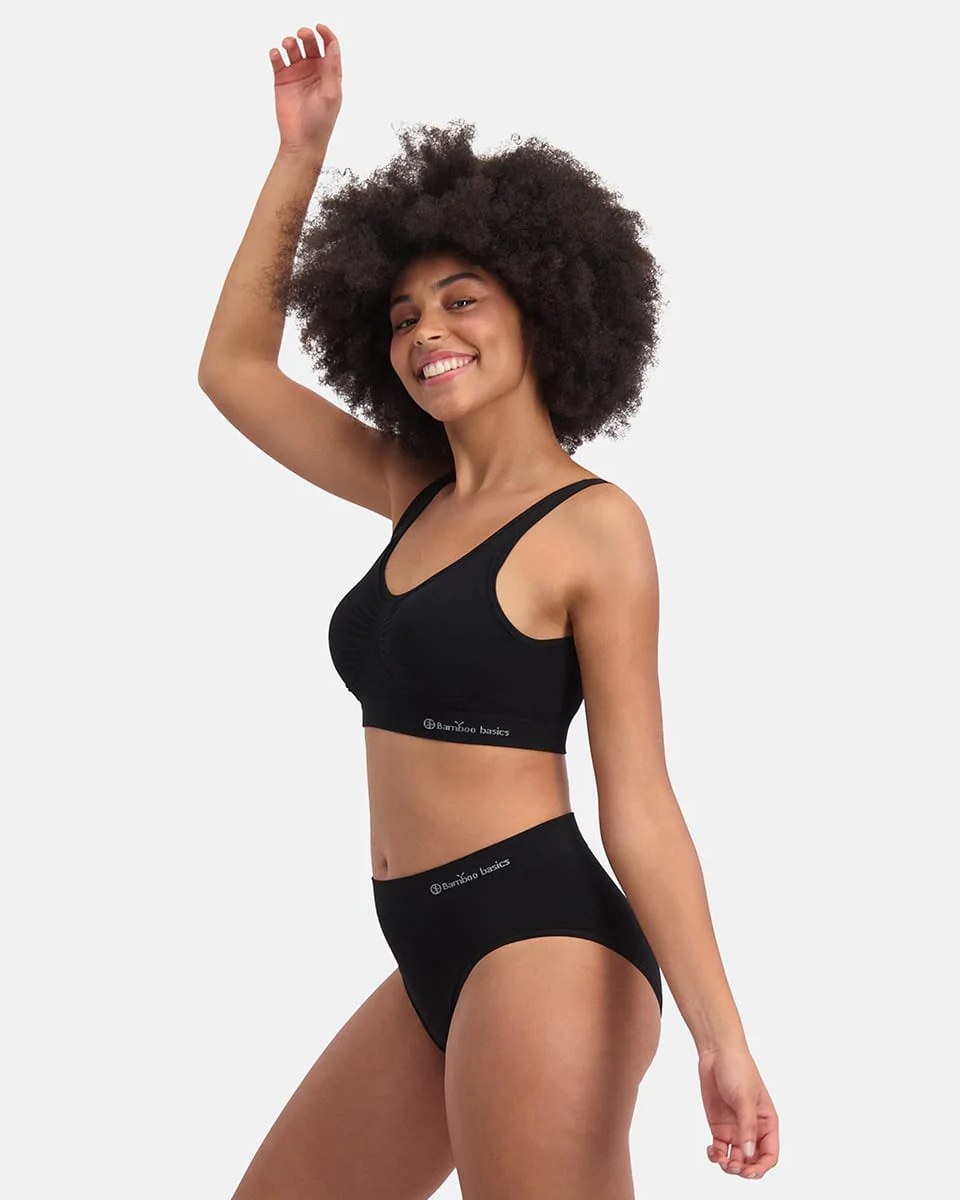
You can find the full range at Bamboo-Clothing.com.