How a wash removes odour
Short answer: The detergent loosens fat and proteins from the fibre, the water rinses them out, and the movement of the drum does the work. Remove the food source and the odour goes with it. So it is not the scent of the detergent that decides the result, but whether the fat actually leaves the fabric.
Odour is about food
Odour in clothes comes from bacteria that live on fat and proteins from the skin. If you remove that food, the bacteria have nothing left to live on, and the smell disappears. That is the simple idea behind a wash, and it explains why removing the fat matters more than covering the smell with perfume.
Soap loosens the fat
The detergent molecules have one end that binds to fat and one that binds to water. They pull the fat off the fibre and hold it suspended in the water, so it can be rinsed away with the rest. Without that effect, water alone would only remove a small part of what sits in the fabric.
Enzymes break down the rest
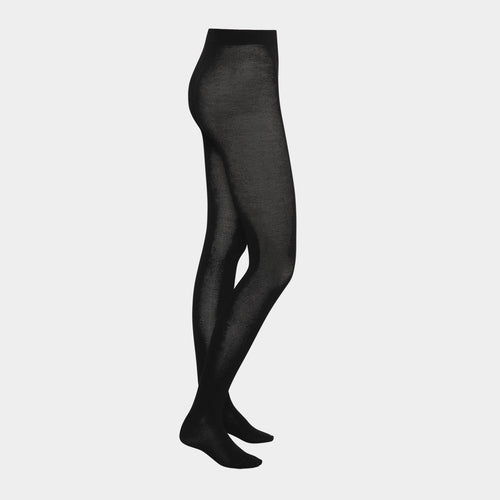
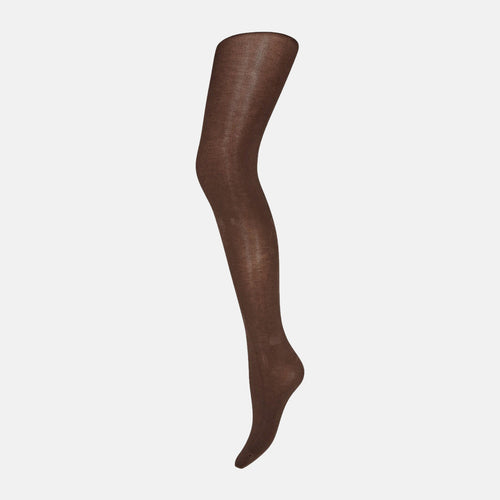
Proteins and fats that stick are cut into smaller pieces by enzymes, so they can be rinsed out. That is a big advantage in detergents for everyday clothes, where sweat and skin fat are typical. See bamboo footies for women, an example of clothing that is washed often.
The drum movement does part of it
The drum lifts and drops the laundry again and again, so water is pushed through the fibres. That mechanical movement helps the detergent reach into the fabric and pull the loosened fat out. If the machine is too full, the clothes have no room to move, and the result gets worse even though the programme is the same.
Time and temperature decide
At thirty degrees the enzymes work slowly. A longer programme at the same temperature can therefore work better than a short one, because the detergent gets more time. If the fabric is thin or elastic, check the care label before turning it up. See bamboo petticoat and bamboo tights for women.
The rinse carries the loosened fat away
The rinse is half the work, because that is when the loosened fat and the detergent residue are carried out of the machine. If the rinse is too short, some of it can settle in the fibre again. If the water is very soft, or you are unsure, choose a programme with an extra rinse.
Dosing matters
More detergent does not give cleaner clothes. An overdose leaves residues that can smell themselves and give the bacteria something new to live on. Follow the dose on the pack and adjust it to how dirty the clothes are and how soft the water is. A small amount that rinses out fully beats a large one.
How to get the most from a wash
Turn the clothes inside out if you like, so the inside, closest to the skin, gets the most water. Fill the machine so the clothes can move freely, and take them out as soon as the programme ends. Hang them to dry with air around them, so the smell does not return.
Frequently asked questions
Why do clothes still smell after washing
Most often because the fat has not left the fibre. Try a longer programme or a higher temperature if the care label allows it, and use a detergent with enzymes, which can break down fat and protein.
Does more detergent help
No. An overdose leaves residues in the fabric that can smell themselves and feed the bacteria again. Follow the dose on the pack, and choose an extra rinse if the water is soft or the clothes are very dirty.
Can you wash odour out in cold water
Partly, but fat loosens poorly below twenty degrees. Cold water removes loose dirt and moisture, but not the fat residues that bind to the fibre and cause odour when the fabric warms up again.
You can find the full range at Bamboo-Clothing.com.