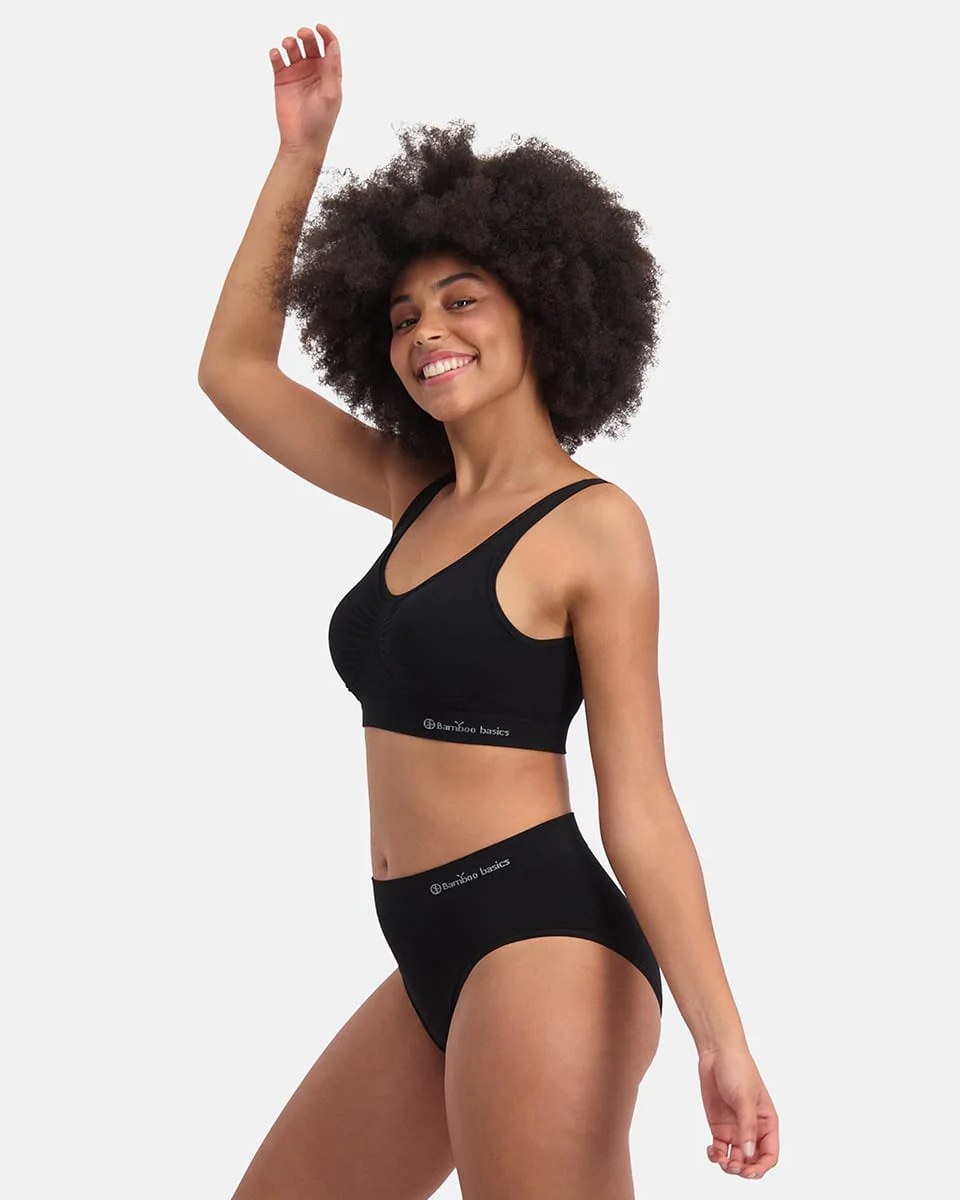
How an elastic band presses
Short answer: The elastic pulls in around the body and creates pressure all the way round. A narrow band concentrates that pressure on a few millimetres and leaves a mark, while a wide band spreads the force over a larger area. Size, time and movement matter too, and those are the parts you can change.
How the pressure comes about
An elastic band wants to contract after being stretched. When you put on a waistband, it holds around your waist with a force that is roughly equal all the way round. That force keeps the garment in place, but it is also exactly what you feel on your skin.
Width spreads the force
A wide band at the same tension presses less per square centimetre than a narrow one, because the force is shared over a larger area. That is why wide waistbands feel softer. A narrow band gathers the pressure on a few millimetres and can leave a groove even when it is not very tight.
Skin responds to duration
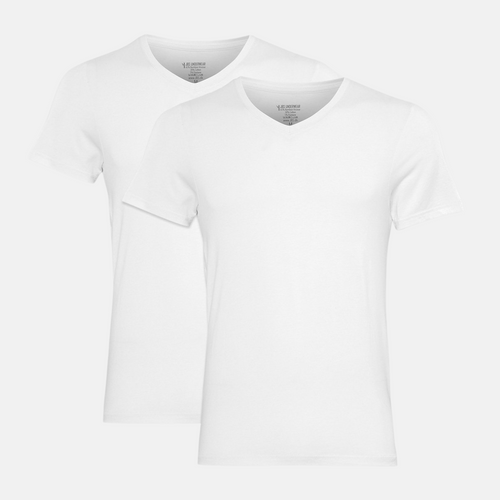
Pressure that lasts an hour is barely noticed. The same pressure over eight hours can leave a furrow and turn the skin red, because the skin gets no break to recover. That is why a waistband often feels fine in the morning and irritating by evening. To compare waistbands, look at bamboo shorts for men.
Movement adds friction
If the band stays in place, it is only pressure. If it shifts with every step or bend, friction is added, and it is often the friction that makes skin sore. A band that rolls over or slides down usually means the size or cut does not quite suit you.
Size matters most
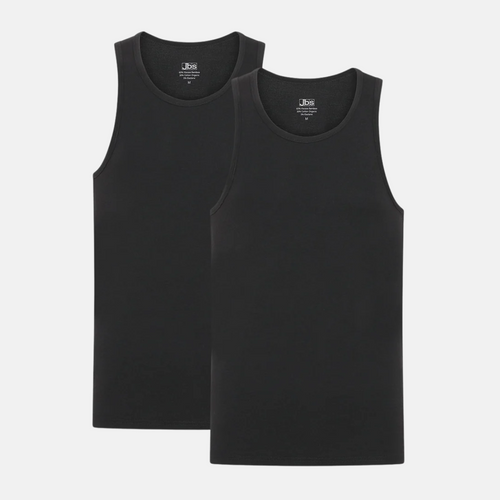
A size too small stretches the band further and raises the pressure all round. A size too large lets the band slide and rub. Choose the size where the waistband stays put without you feeling it after an hour. Have a look at bamboo long johns and bamboo undershirt for men too.
The fabric under the band
The fabric around the elastic matters as well. A soft, slightly stretchy knit gives way and follows the body, while a stiff fabric leaves the band to do all the work. When the waistband is sewn on flat, without thick seams, the step from band to fabric is gentler and the pressure feels less sharp.
How to check the fit
Put the garment on, walk around, sit down and bend forward. Notice whether the band tightens when you sit, since that is where most people feel it. Look at your skin afterwards. A faint red mark that fades quickly is normal, while a groove that lingers suggests the band is too tight.
Washing and wear
Elastic wears down slowly with washing and use, and a waistband can lose some of its tension after many washes. Wash at the temperature on the label and avoid the hot tumble dryer when you can. That way the band keeps its shape for longer, and the pressure stays even.
When a mark is enough
A mark on the skin after a day is not harmful in itself. It only shows the skin has been pressed together. If the skin turns red, sore or itchy, or the band hurts when you sit, try another size or a style with a wider waistband. Talk to your doctor if the discomfort continues.
Frequently asked questions
How tight should a waistband be
Tight enough to stay in place, and loose enough that two fingers fit underneath. If you clearly feel the band after an hour, it is probably too tight.
Why does the mark stay for so long
Because the skin has been pressed together and needs time to fill out again. The longer the pressure lasted, the longer the skin takes to look normal.
Is a mark harmful
Not in itself, but if the skin turns red or sore, the band is too tight. Try another size, and talk to your doctor if the discomfort continues.
You can find the full range at Bamboo-Clothing.com.