Why dry skin chafes faster
Short answer: Dry skin has a rough surface and less elasticity. It grabs the fabric instead of letting it glide, and the outer layers come loose more easily.
The surface is not smooth
In healthy skin the outermost cells lie flat with fat between them. If the skin is dry, the cells stand up like small flakes that can catch. When fabric passes, the flakes can grab the fibers and pull at the skin, and chafing begins sooner than expected.
Elasticity is lower
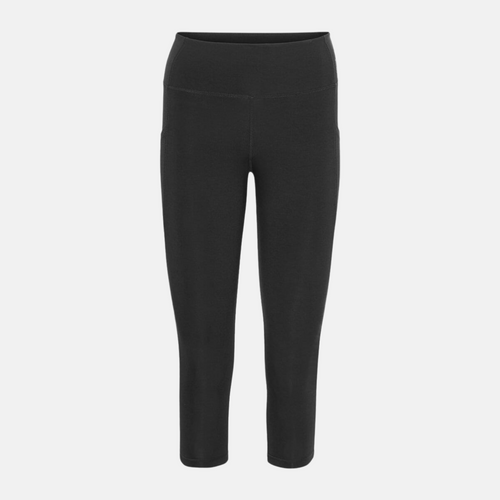
Moist skin gives way to movement. Dry skin does not follow and takes the whole load in the surface. It is like pulling on a tight piece of elastic instead of a soft one. The surface tightens, and small movements become greater wear. See bamboo leggings for women.
That is why it happens most in winter
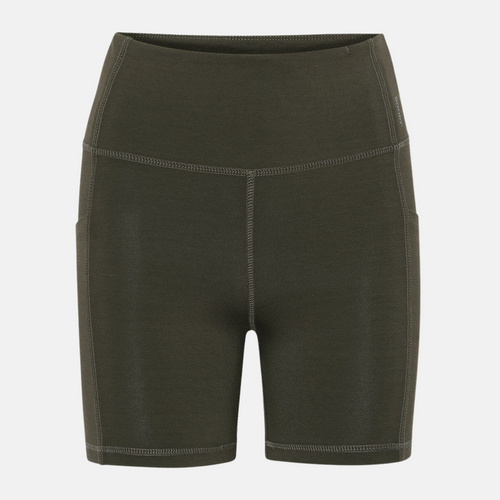
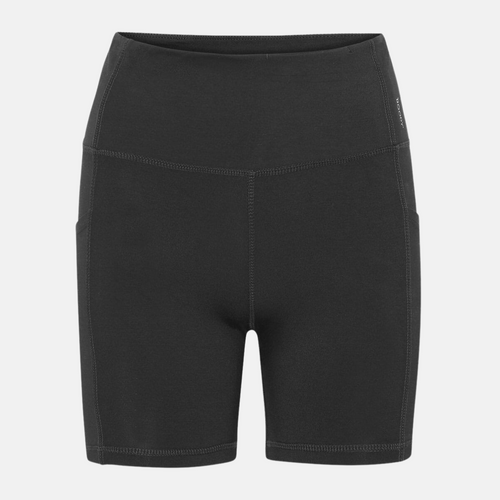
Cold air, warm rooms and frequent baths dry out the skin. At the same time people wear more layers that move against each other. That combination makes winter the time when many notice chafing and irritation. See bamboo training pants for women and bamboo training clothes for women.
A little dryness is normal
Many people have dry skin at times, especially on shins, hands and heels. It is not unusual and is rarely dangerous. But it means the skin tolerates less rubbing in those places, so it pays to choose clothing that lies soft and calm against them.
Baths and soap play a part
Long, hot baths and strong soap remove the skin's natural oils and make the surface drier. After a bath the skin is often extra sensitive. If you are heading out to walk or train right after, it can help to give the skin a few minutes and let the cream sink in.
Moisturizer makes skin softer
A cream puts fat and moisture on the skin and softens the surface. Softer skin tolerates more movement before it gets irritated. Use it after a bath and on the spots where you usually notice chafing. Avoid applying too much right before putting on tight clothing.
Smooth fabric gives less to grab
If the skin is dry and rough, a smooth fabric helps, because the flakes have less to catch. A coarse or stiff fabric does the opposite. Choose clothing that feels soft when you stroke the inside, with no coarse seams or edges where it touches the skin.
Watch the repeat spots
If you have a spot where the skin is often irritated, keep it in mind when choosing clothes. Shins under long trousers, the inner thighs and the heels inside socks are classic spots. An extra layer or a softer garment right there can spare you a lot of discomfort.
When to ask a doctor
If the skin stays red, sore or itchy even when you have taken clothing and care into account, talk to your doctor. Persistent skin problems can have causes other than clothing, and it is better to have them looked at than to guess and experiment.
Frequently asked questions
Does moisturizer help against chafing
Yes, indirectly. Softer skin tolerates more movement before it gets irritated, so the cream makes the skin more robust against rubbing.
Is damp skin better then
No. Very wet skin is even more vulnerable. It is the balance that counts, neither too dry nor soaked.
Why does the heel chafe most in winter
Because the skin surface is harder and less yielding. Cold and dry air make the skin stiff, so it cracks more easily.
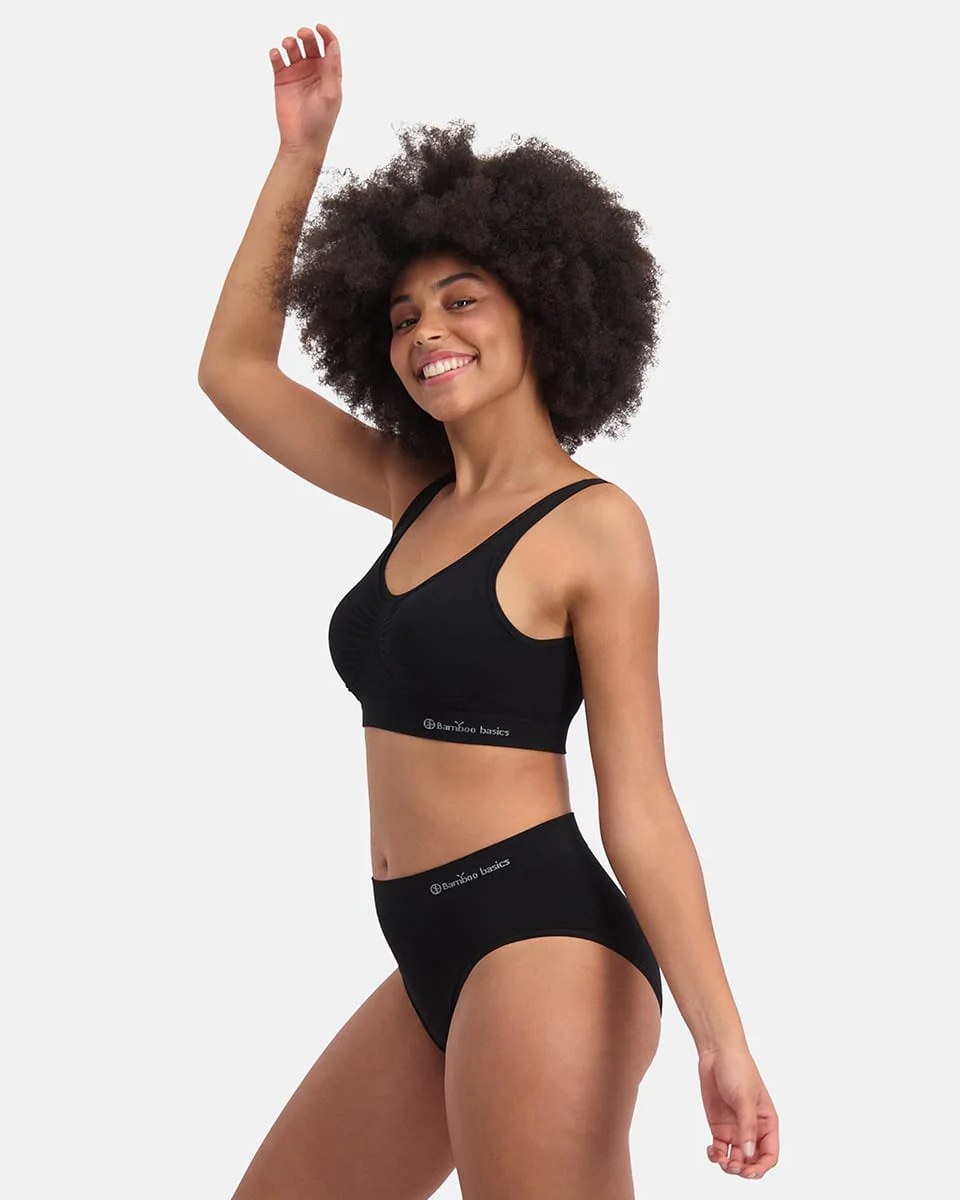
You can find the full range at Bamboo-Clothing.com.