How many pairs of briefs you need
Short answer: Plan for one pair of panties per day plus five as a reserve. Washing once a week, that comes to roughly twelve to fourteen pairs in rotation through an ordinary week.
The math behind the number
Take the number of days between two washes and add five. Washing weekly, seven plus five equals twelve. The five extra pairs cover a busy week, a trip, or the pairs sitting in the laundry basket on the exact day a clean pair is needed.
Why more pairs last longer
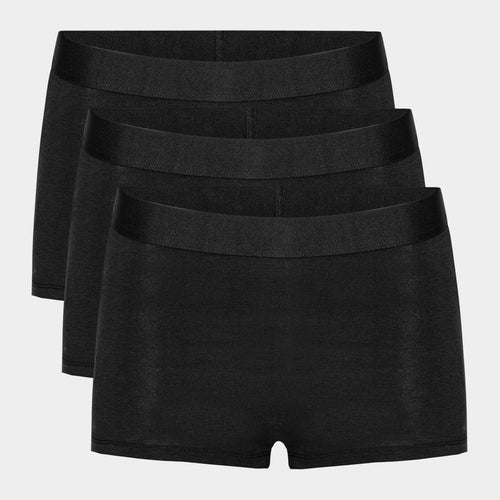
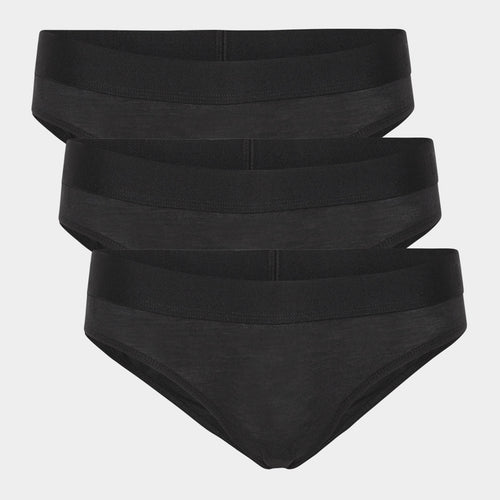
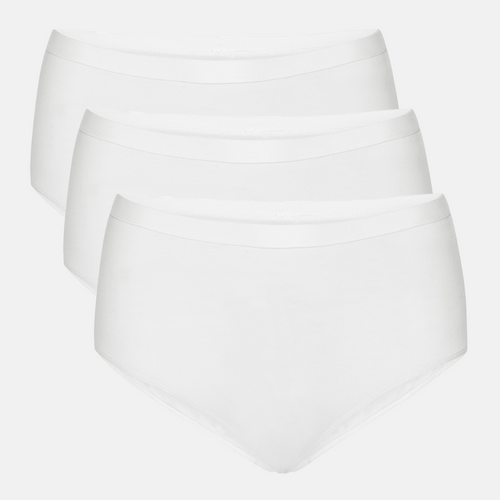
Elastic and fibers need rest between wears so the shape can pull itself back together. With twelve pairs in rotation instead of seven, each pair lasts noticeably longer because it gets washed less often and therefore wears down more slowly over time. See bamboo panties in several styles.
Spread the pairs by purpose
A few for everyday wear, one seamless pair for tight trousers, one skin tone pair for light clothing and one set aside for periods cover most situations. See bamboo underwear for women for everyday styles that work under most of the wardrobe.
The reserve is not excess
The five extra pairs in the math are not a luxury, they are a buffer against days when laundry gets delayed or a pair breaks unexpectedly. Without that reserve, a pair often gets worn an extra day, which strains the elastic more than necessary.
Period underwear counts separately
One or two pairs meant for periods should sit outside the usual math, since they are used on a different rhythm and are often changed several times a day during that time. See period underwear if a dedicated pair is missing from the drawer.
Travel needs extra planning
On trips where laundry is not possible along the way, the number of pairs should match the number of days plus a few extra, rather than the usual math built around a weekly wash. Always pack a few more than you think you need, so a delayed travel day is never a problem.
How to spot too few pairs
If you consistently wear the same pair two days in a row because the rest are in the wash, that is a sign the count is too low for your routine. Notice whether you often run out of a clean pair, and raise the number rather than forcing the rotation.
Quality over quantity
Fewer pairs of good quality that hold their shape after many washes are often better than many cheap pairs that lose their elastic quickly. Invest in twelve good pairs rather than twenty that need replacing after just half a year of regular use.
Storage that makes rotation easy
Place freshly washed pairs at the bottom of the drawer and already worn ones on top, so you naturally use them in turn. It is a small habit that keeps any single pair from sitting untouched for months while others wear out faster from constant use.
Frequently asked questions
How long does a pair last
With cold washing and no fabric softener, typically one to two years with regular use. The quality of the elastic matters most for how long a pair lasts.
Should there be a fixed replacement day
It helps. Once a year you can sort out the pairs that have lost their elastic, so the drawer only holds pairs that still fit well.
Are more pairs more expensive in the long run
No. More pairs in rotation wear more slowly and therefore cost less per year, because each individual pair is washed and used less often.