How pilling is measured in a machine
Short answer: The sample is rubbed against itself or against a standard fabric for a set number of turns. Afterwards the surface is compared with a scale from one to five, where five means no pilling. The method makes it possible to compare fabrics with each other.
The rubbing is uniform
The machine runs a fixed number of revolutions at a fixed pressure, so every sample gets exactly the same treatment. That is the only way two samples can be compared. Rub by hand and the result depends on who does it and how hard, and then the number says more about the person than the fabric.
Against itself or a standard fabric
The sample can be rubbed against a piece of itself or against a standard fabric, depending on what the method prescribes. The aim is to imitate the wear that occurs when fabric rubs against itself or against clothing and surfaces. Under the arm and at the thigh are typical places where pills form.
Judged by eye
A person compares the sample with pictures on a scale. Five means no pilling, one means heavy pilling, and the numbers between are steps along the way. It is a visual judgement, so it takes practice and good light. See bamboo tennis socks for women as an example where the fabric rubs against the shoe in use.
The scale from one to five
The scale is made so that everyone uses the same reference pictures. If two people look at the same sample, they should arrive at almost the same number. The scale does not say how many pills there are, but how strongly the surface has changed compared with the pictures, which is enough to compare fabrics.
The number applies to that sample
Two colours of the same fabric can get different numbers, because pills show more clearly on dark shades. So the number belongs to the exact sample tested, not to the fabric as a whole. See JBS of Denmark and Lindbergh, and remember that colour affects how many pills you see.
Colour plays a part
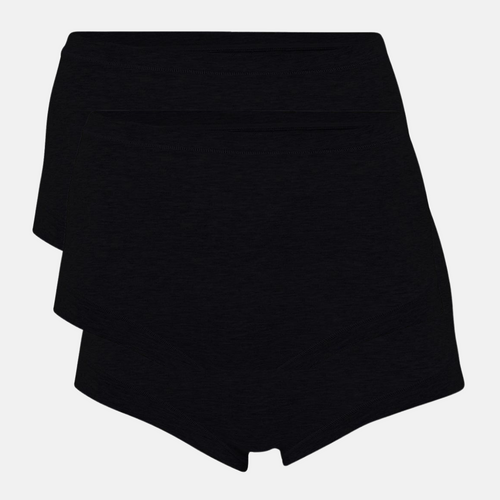
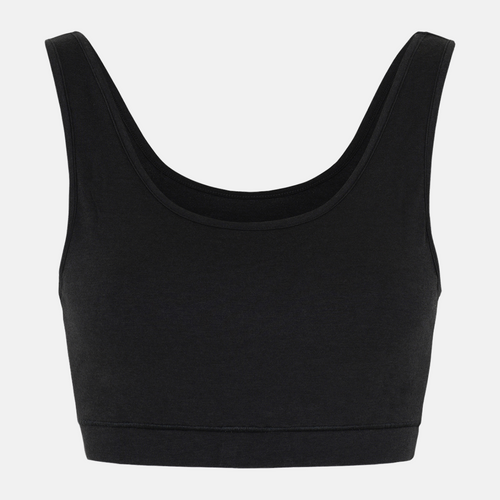
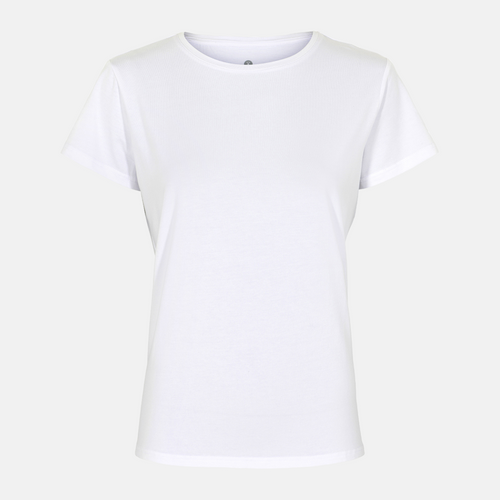
On a white or light fabric pills are almost invisible, while on black, navy or dark green they show clearly. That does not mean the dark fabric has more pills, only that they are easier to spot. It is one reason to be careful when comparing numbers across colours.
Short fibres and loose yarn
Short fibres and loosely spun yarn pill the most, because the ends are easily pulled out of the yarn and tangle into small balls. Longer fibres and firmer yarn hold together better. Composition and yarn quality are therefore among the things that affect the number, along with how the fabric is knitted.
Loose pills can be removed
Loose pills can be removed with a lint brush or a fabric shaver if they bother you. But the tendency in the fabric stays, and new pills can return, especially where the garment rubs against something. Removal fixes a visible problem but does not change what the fabric tends to do.
How to limit pilling
Turn the garment inside out before washing and wash it with clothes of similar fabric rather than rough items such as jeans or towels. Choose a gentle programme and avoid the tumble dryer if the label advises against it. That way the surface is exposed to less rubbing, and pills form more slowly.
Frequently asked questions
What is a good number?
Three to four is considered acceptable for most basics. What suits depends on the fabric and how much rubbing the item is exposed to.
Can pills disappear again?
Loose pills can be removed, but the tendency in the fabric stays. New pills can therefore return, especially where the garment rubs against something.
Do all fabrics pill?
Almost all do to some extent. Short fibres and loose yarn do it most, while firmer yarn and longer fibres do it less.
You can find the full range at Bamboo-Clothing.com.