How sand and dust increase wear on the skin
Short answer: Small particles between fabric and skin act like sandpaper. The movement turns into grinding, and both the fabric and the skin wear down faster. That applies to sand on the beach as much as to dust on a building site.
The particles are hard
Grains of sand and dust are far harder than both skin and textile fibres. When they are pressed between two soft surfaces, they cut into both. That is why a tiny amount of sand can do more harm than a whole day of ordinary rubbing against a smooth fabric.
Sandpaper without noticing
Sandpaper is simply hard grains on a surface. Sand between clothes and skin works the same way, except the surface is you. Every step, bend and moment of sitting drags the grains a little way across skin and fabric and leaves tiny scratches behind.
They gather in folds
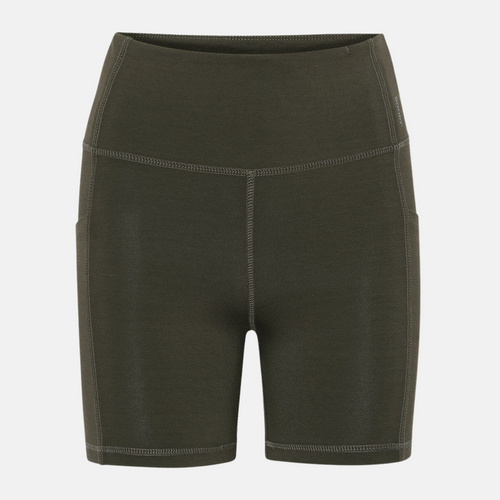
Particles travel downward and collect where the fabric folds, that is in waistbands, sock cuffs and the crotch. Those are the places where skin moves most and where air rarely shakes the sand off. See bamboo shorts for women, where waistband and leg opening are firm friction points.
Moisture makes it worse
Sand sticks best to damp skin, because a thin layer of water acts like glue. After a swim or a sweaty day the grains therefore stay longer and are pressed harder against the skin. Wet skin is also softer and tolerates less rubbing than dry skin.
Why rinsing matters
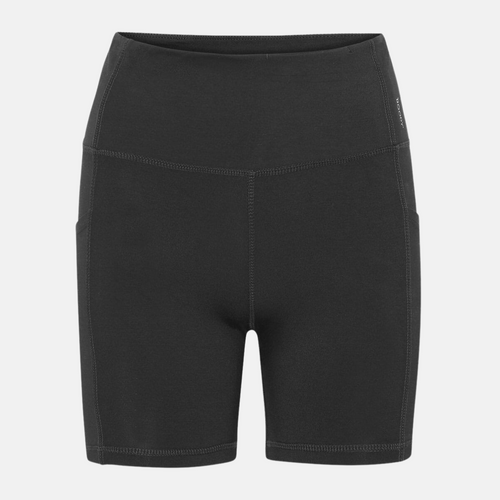
Rinse the sand off your skin and clothes before you carry on. It is the fastest way to stop the grinding, and it takes only a moment. Pat the skin dry gently afterwards so you do not rub new grains in. See bamboo panties and bamboo training shorts for women.
The beach is the worst
On the beach, sand, salt, sun and moisture all meet at once. The sand stays in the fabric even when it looks dry, and grinds with every movement. Shake the clothes out thoroughly and brush the skin clean before you dress again after a swim.
Sand in the washing machine
Sand can stay lodged in pockets, folds and seams and travel into the wash. There it can wear down both the clothes and the machine. Shake the clothes out thoroughly before they go into the drum, and turn the pockets out so the grains fall away.
Dust at work
Dust at work follows the same mechanism. Cement dust and metal shavings are especially hard and can wear strongly when they sit between clothes and skin for hours. Dry, dusty surroundings therefore call for changing and washing clothes more often than you otherwise would.
The fabric wears too
The particles do not only harm the skin. They grind the fibres, so the surface turns dull, thinner and rougher, and the garment loses its soft surface sooner. A garment that has often been in sand or dust therefore usually looks older than one worn just as much without.
How to keep wear down
Rinse and dry the skin, shake out the clothes and change into clean ones if you have had a lot of sand or dust on you. Choose a smooth layer against the skin so fewer grains catch in the surface. If the skin stays sore or irritated, talk to your doctor.
Frequently asked questions
Why do clothes wear out faster at the beach?
Because sand stays in the fabric and grinds with every movement. Salt and moisture do not help, so clothes should be shaken out and rinsed before they are worn again after a day by the sea.
Can sand stay behind in the wash?
Yes. Sand settles in pockets, folds and seams and travels into the machine. Shake the clothes out thoroughly, turn the pockets out and rinse off the worst of it before you load the drum.
What about dust in work clothes?
It is the same mechanism. Cement dust and metal shavings are especially hard and grind between clothes and skin for hours. Change and wash the clothes more often, and rinse the skin when the day is over.
You can find the full range at Bamboo-Clothing.com.