Why clothing clings to the skin in summer
Short answer: Sweat forms a thin film between skin and fabric. The film acts like glue rather than a lubricant, and the fabric follows the skin instead of gliding. Heat and moisture strengthen the effect, which is why it is felt most in summer.
A little water sticks, a lot glides
A thin damp film creates adhesion between two surfaces. It is the same effect as two wet glass plates that cling together and are hard to pull apart. Only when there is plenty of water do the surfaces start to glide again, and then it feels different.
Sweat is rarely enough to lubricate
Sweat arrives in small amounts and is constantly pushed out of the skin in thin layers. That is exactly the amount where the risk of sticking is greatest. Clothes therefore often feel stickiest on a warm day with moderate activity, rather than during heavy sweating.
Heat makes the fabric softer
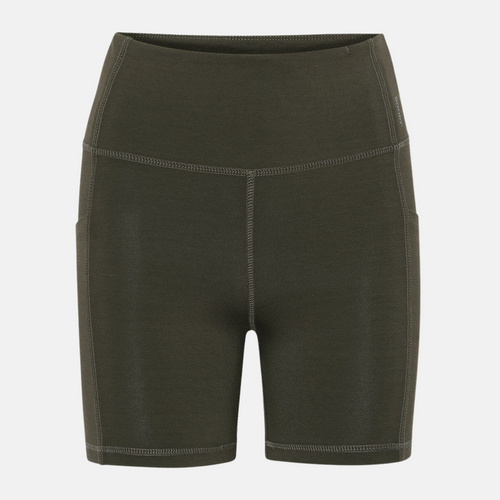
A warm, damp fabric falls closer around the body and has a larger contact area against the skin. That gives it more places to stick. The same effect appears with tight or densely woven fabrics. See bamboo shorts for women.
Contact area is the key
The more points where the fabric touches the skin, the more the sweat can hold it in place. A fabric that lies close and flat has more to cling to than one that touches the skin in only a few places. That is why the summer feeling differs from fabric to fabric.
Why structure helps
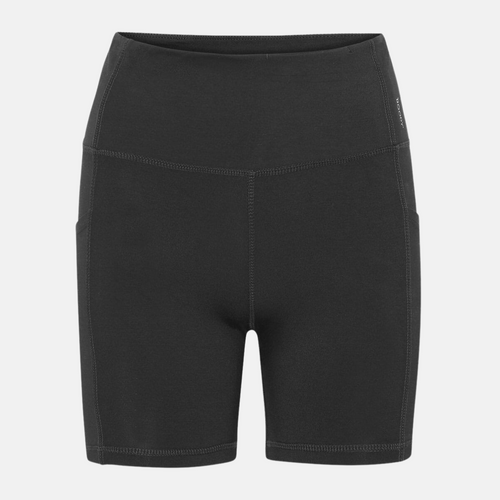
A fabric with structure touches the skin in fewer places. That is why rough, light fabric often feels better in heat than smooth, dense fabric. Air gets room between skin and fabric, and sweat can evaporate instead of sticking. See bamboo training shorts for women.
Loose and light instead of tight
A loose cut in a light fabric creates air between clothes and skin, and air does the most in heat. Tight clothes press the fabric against the skin and create exactly the contact area sweat holds on to. On warm days, fit is therefore at least as important as material.
Why polyester sticks more
Because the sweat stays on the surface instead of going into the fibre. Polyester absorbs almost no water, so the damp film sits between fabric and skin and keeps clinging. Materials that can take up a little moisture let the film become thinner and less sticky.
Does changing into dry clothes help
Yes, but only until the sweat returns. A dry garment feels good for the first half hour, and then the same film starts to form again. A change is therefore useful, but it does not solve the problem if heat and activity continue all day.
Air is the most lasting fix
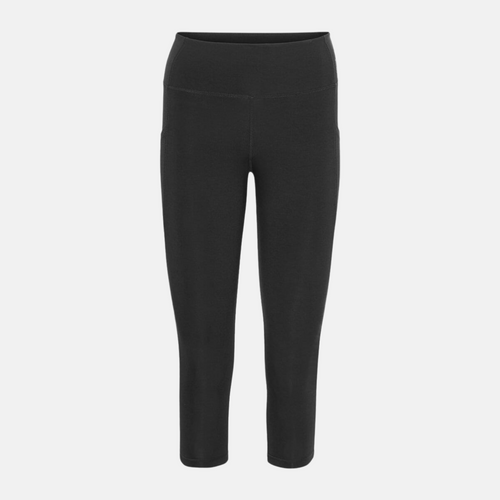
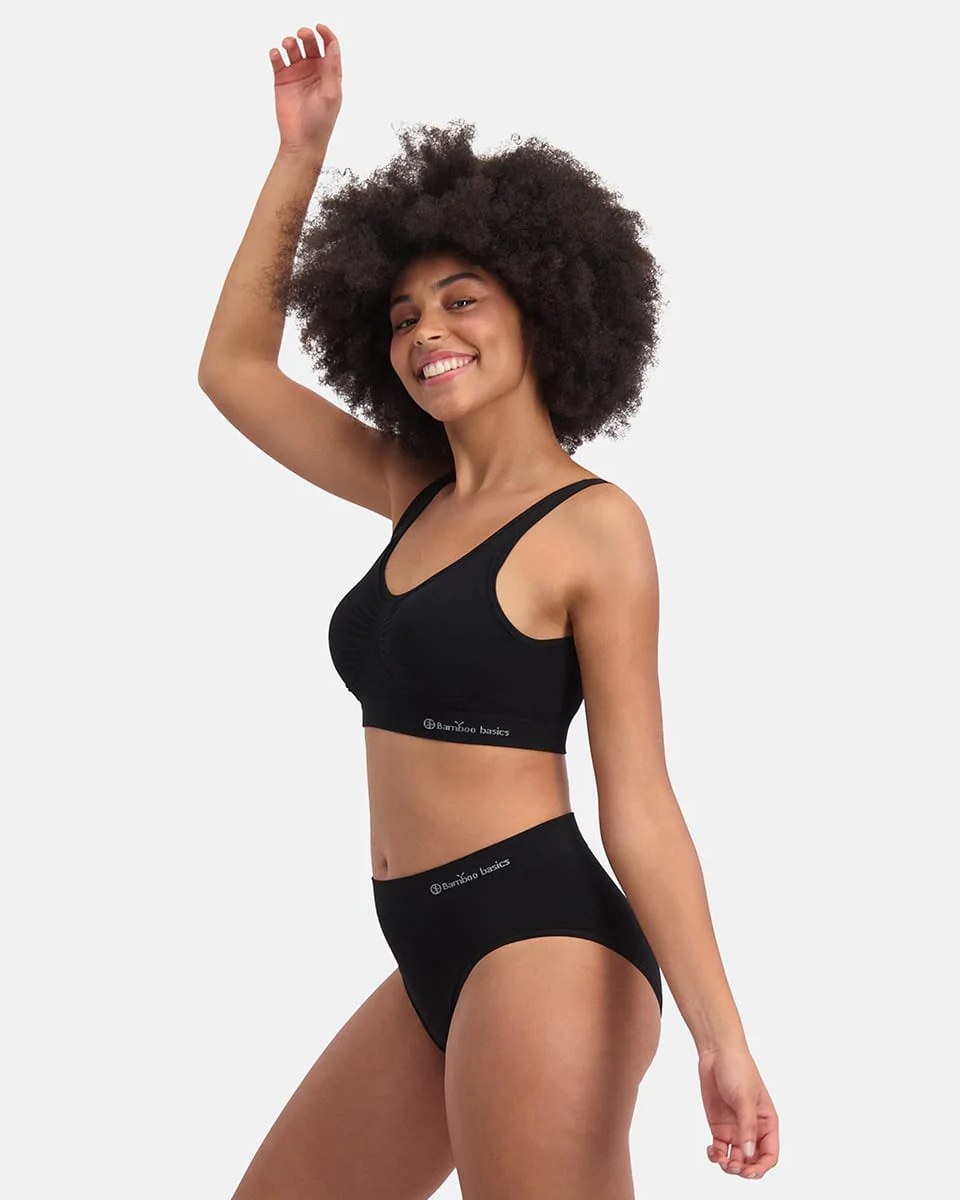
Air is a more lasting fix than changing clothes. Open cuts, light layers and shade let sweat evaporate before it forms a sticky film. It takes nothing special to try: choose clothes that do not cling to the whole body. See bamboo training clothes for women.
Frequently asked questions
What helps most in heat?
A loose cut, a light fabric and air between clothes and skin. Shade and short breaks also help, because the sweat has time to evaporate before it forms a sticky film between fabric and body.
Why does polyester stick more?
Because the sweat stays on the surface instead of going into the fibre. The film between fabric and skin keeps clinging, and the clothes feel clammy even when there is not much sweat.
Does changing into dry clothes help?
Yes, but only until the sweat returns. Air is the more lasting fix, so choose a loose cut and light fabric so sweat evaporates instead of clinging to the skin all day.
You can find the full range at Bamboo-Clothing.com.