How the surface of a fabric affects itching
Short answer: Itch from clothes usually comes from mechanical irritation, not allergy. Stiff fibre ends that stick out of the surface prick the skin and set off the itch. Fine, soft fibres bend instead, and smooth surfaces itch less than rough ones.
The fibre ends do the pricking
Coarse, stiff fibres have ends that stand out from the thread. If the end is thick enough, it does not bend when it touches the skin, and it is registered as a small prick. Many small pricks at once become a feeling of itch, even when nothing shows on the skin and the fabric looks quite ordinary.
Thickness is decisive
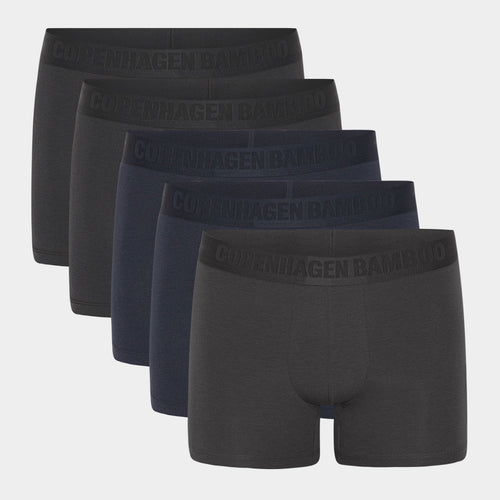
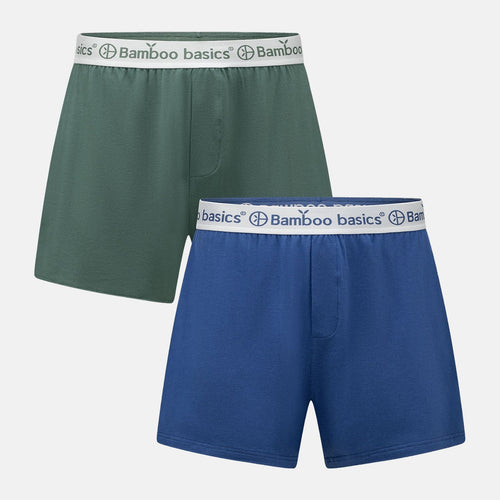
Fibres below a certain thickness bend instead of pricking. That is why a fine yarn can be comfortable even when the material is in principle the same as in a coarse yarn. It is not only the material but also how finely it is spun that decides how the fabric feels. Look at bamboo shorts for men.
Smooth surfaces itch less
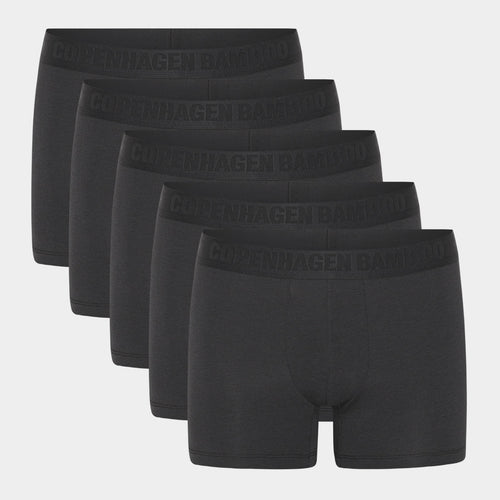
Viscose has a smooth surface without scales and with soft ends. That is one of the reasons it rarely itches. The fibres glide on the skin instead of catching, which makes the fabric calmer to wear for hours. See bamboo tank top for men and bamboo underpants for men.
Why wool itches more
Wool fibres are thicker and have scales on the surface, and the scales can catch in the skin. Together with thicker ends, this makes many people find wool scratchy, especially close to the skin. That does not make wool bad, only not right for everyone, and coarse and fine wool feel different.
Is itch the same as allergy
No. True allergy to textile fibres is rare. Most often it is mechanical irritation from stiff fibre ends, and it goes away when you take that fabric off. Notice which fabric and which spot itches, since that helps most in finding the cause and choosing the right fabric.
Washing and wear round off the ends
A fabric can become less itchy. Washing and wear grind down the stiffest ends so the surface becomes more even. That is why a new garment often feels rougher the first few times than later. Wash it once before use, and give it a few days before you judge it.
How to test a fabric
Stroke the fabric lightly over the soft skin on the inside of the forearm. Does it feel smooth, or is there a slight prickle? Also hold it against the neck for a minute. The fabric should sit calmly on the skin, not prick. It is a quick test that says more than the words on the label.
Seams and edges can itch too
Not all itch comes from the fabric itself. Stiff seams, labels and edges can cause the same feeling. If it itches only in one particular place, a label or a seam may be the cause rather than the fabric. Cut the label off or choose a garment with flat seams and see whether the itch goes.
When it is not the fabric
If it itches even without clothes, or a rash, swelling or sore spots appear, clothing is probably not the whole explanation. Then talk to your doctor instead of guessing. Do not keep switching clothes, but note when and where it itches and tell your doctor.
Frequently asked questions
Is itch the same as allergy
No. True allergy to textile fibres is rare. Most often it is mechanical irritation. Talk to your doctor if a rash or itch does not go away.
Why does wool itch more
Because wool fibres are thicker and have scales on the surface that can catch in the skin. Fine, smooth fibres itch less often than coarse, scaly ones.
Can a fabric become less itchy
Yes. Washing and wear grind down the stiffest ends so the surface becomes more even. Wash new clothes once before use and give them a few days.
You can find the full range at Bamboo-Clothing.com.