How to dose detergent correctly
Short answer: Too much detergent does not make clothes cleaner. It leaves residue that causes odour and itching and reduces the fabric's ability to absorb moisture.
More is not better
Detergent works up to a certain limit. Once there is enough to loosen the dirt in the water the machine uses, more makes no difference to how clean things get. Above that limit the surplus simply stays in the clothes, because the rinse cannot remove it all. An extra splash can actually make the result worse.
Know your water hardness
The dosage on the pack depends on how hard your water is. In soft water areas you need less than with hard water, because limescale does not bind part of the detergent. Your water supplier can tell you the hardness. Once you know it, you can pick the right line on the pack instead of guessing.
Half load, less detergent
The dosage on the pack usually applies to a full load. If you wash a half load, use correspondingly less. Many people add the same amount every time out of habit, however much is in the drum. That is one of the most common causes of residue in clothes that are otherwise washed correctly.
Lightly or heavily soiled
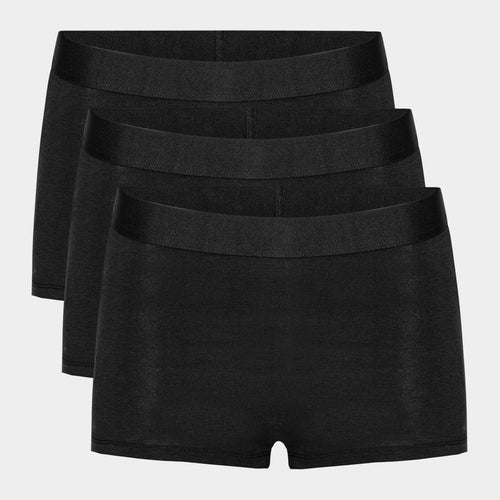
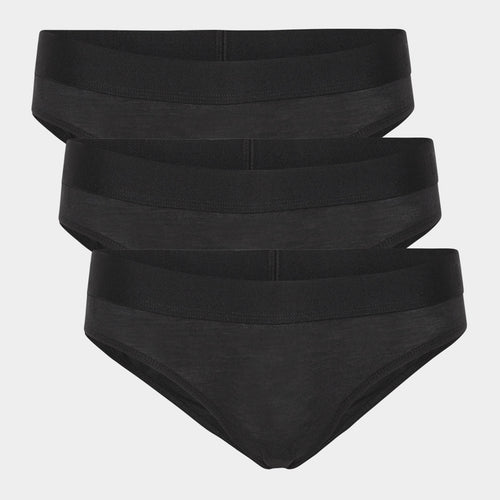
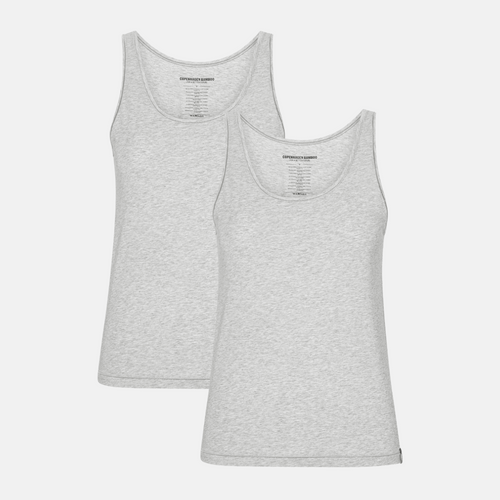
Everyday clothing worn for a single day is lightly soiled and needs the lowest dosage. Clothes with soil, food or a lot of sweat may need a little more. Underwear, tops and t-shirts usually belong in the light group. See for example bamboo underwear for women, which rarely needs more than the smallest measure.
Signs of too much
Stiff fabric, odour that returns when you get warm, and itching are all signs of residue in the fibres. You can also see it in the machine if there is a lot of foam left after rinsing. Clothes that feel slippery or slightly sticky when wet have often had too much detergent.
Rinse again
If you suspect residue, run an extra rinse without detergent. That removes most of the surplus. If the clothes are badly affected, wash them once on the usual programme with no detergent at all. Then wash again with a normal dose, and most people find their clothes back to normal.
No fabric softener
Fabric softener adds another film to the fibres, on top of any detergent residue. For bamboo viscose it is not recommended at all, because the film closes the fibres and makes the fabric worse at moving moisture. The clothes are soft enough without it. Read why in fabric softener and bamboo.
What residue does to bamboo viscose
Bamboo viscose depends on moving moisture away from the skin. A film of soap residue closes the fibres and destroys exactly that quality. That is why dosage matters more for bamboo viscose than for many other fabrics. The clothes can look clean but feel heavier and less airy when residue is left in them.
Measure every time
Use the measuring cup or cap every time instead of pouring by eye. It takes seconds and gives an even dose from wash to wash. Once you have found the amount that suits your machine and your water, write it on the pack. Then it is easy to get it right every time.
General washing
Dosage is only one part of a good wash. Temperature, programme and how full the machine is also matter. For bamboo viscose that means 40 degrees, a gentle programme and room in the drum. The rest of the rules are collected in the washing guide, so you have them all in one place.
Frequently asked questions
How much detergent should I use?
Follow the dosage on the pack for your water hardness and for lightly soiled clothes. If you wash a half load, use correspondingly less than the pack states.
How do I know if I use too much?
Stiff fabric, odour that returns when you get warm, itching and a lot of foam after rinsing are typical signs that there is too much detergent in the wash.
How do I get residue out of clothes?
Run an extra rinse without detergent. If there is a lot of residue, wash the clothes once with no detergent at all, and then go back to a normal dose.
You can find the full range at Bamboo-Clothing.com.