How to make a bedroom better to sleep in
Short answer: Cool, dark and dry matter more for sleep than bedding and sleepwear combined, but the right textiles can make a warm or restless night more bearable.
Temperature comes first
Most people sleep best in a room between seventeen and nineteen degrees. If the room is warmer than that, no bedding or sleepwear can truly make up for it, regardless of how good the material otherwise is. Check the thermometer before looking at the textiles, and adjust the duvet and layers with the season.
Bedding is the next step
You have more bedding against your skin through the night than sleepwear, so an upgrade here is felt the most. A set that can release moisture quickly does most of the work for a comfortable temperature. See bamboo bedding.
Sleepwear comes last in line
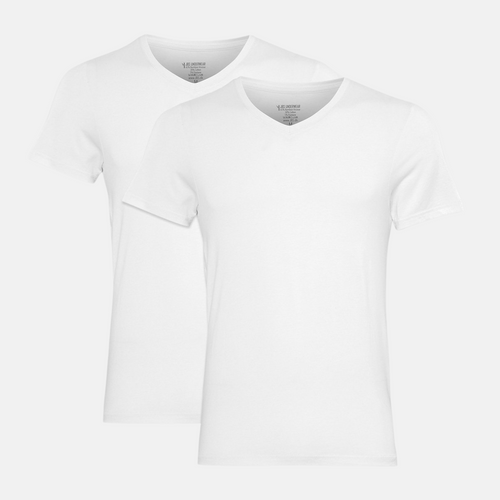
A loose cut in a fabric that moves moisture away from the skin removes the last and most annoying reasons for waking up in the middle of the night. See bamboo sleepwear for women and bamboo sleepwear for men.
Air the bed in the morning
Leave the bed open for about an hour in the morning, so the mattress can dry out after the night's moisture. That also keeps dust mites down, because they thrive best in damp surroundings and not in dry ones.
Wash on a fixed rhythm
Bedding is washed every other week, sleepwear once or twice a week. Following a fixed rhythm means you skip deciding it every single time, and the textiles stay fresh and inviting for longer. See washing and care.
Darkness has to be real
Even faint light from a streetlamp or a standby light can disturb sleep in sensitive sleepers. Blackout curtains or a sleep mask solve it, if the room cannot otherwise be made fully dark.
Noise counts too
A quiet room matters as much as a cool one, even though it is often overlooked when decorating. Earplugs or a white noise machine can help, if the room faces a busy street or a noisy neighbour, and both are cheap to try.
The pillow belongs here too
A pillow that matches the sleeping position keeps the neck in a natural line all night. See bamboo bedding for materials that do not overheat unnecessarily around the head.
Together it means better sleep
No single thing fixes poor sleep alone, but temperature, darkness and dryness combined with the right textiles give the best chance of a night without waking up.
Frequently asked questions
What temperature is best for sleep?
For most people, between seventeen and nineteen degrees. If the room is warmer, bedding and sleepwear can rarely make up for it alone, regardless of the material.
What matters most among the textiles?
The bedding. You have more of it against your skin through the night than sleepwear, so an upgrade here is felt the most of all textiles in the bedroom.
Why air the bed in the morning?
So the mattress can dry out after the night's moisture. It also keeps dust mites down, since they thrive best in damp, warm surroundings.
You can find the full range at Bamboo-Clothing.com.