How to read a blend of bamboo viscose and cotton
Short answer: A blend gives you a bit of both. Cotton adds ruggedness and shape stability, bamboo viscose adds softness and moisture transport, and how much of each property you get depends entirely on the percentages on the wash label.
Why blend at all
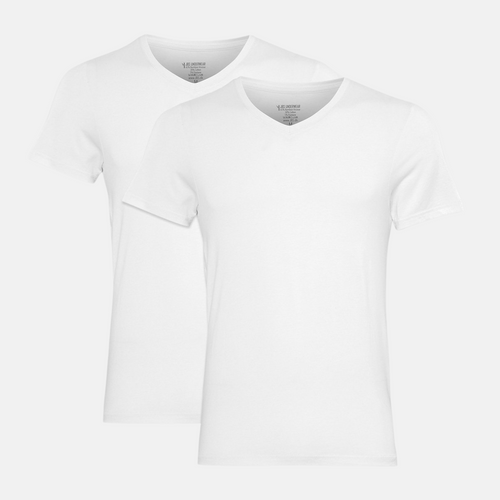
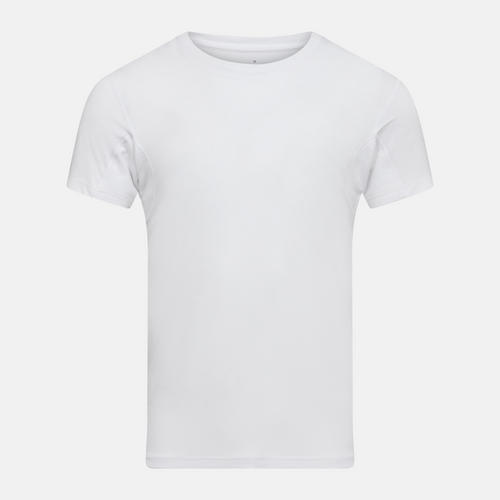
Pure bamboo viscose is soft but a little weaker when wet than cotton. Cotton makes the fabric more rugged in the wash and gives better shape stability over time. See bamboo t-shirts for men , where a small share of cotton is sometimes used to make a close-fitting style a bit more durable.
What you lose by blending
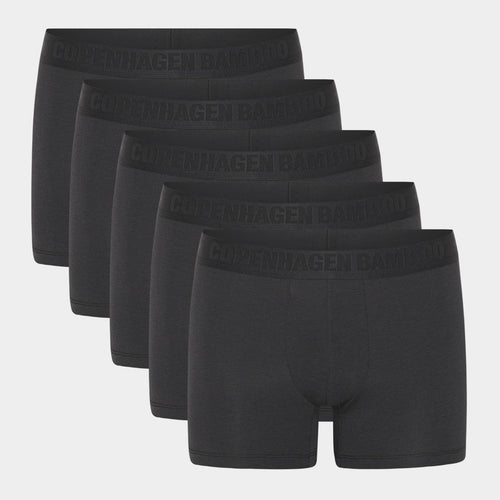
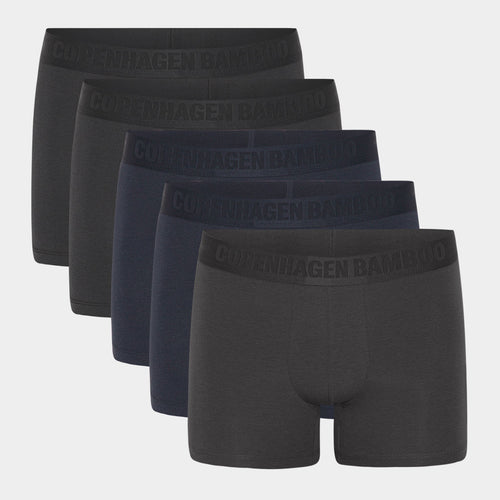
The more cotton, the less of the smooth, cool feel bamboo viscose gives. At roughly equal shares the fabric starts to feel and drape more like cotton than viscose. See bamboo underwear for men , where a high share of bamboo viscose is chosen precisely to keep that soft feel.
Read the percentages on the label
If bamboo viscose is listed first on the label with the highest percentage, it dominates the properties of the finished fabric. If cotton is listed first, it is the other way around. The order on the label always follows the amount, so the fibre named first makes up the largest share of the fabric.
How the blend affects washing
Bamboo viscose can lose a bit of shape at high temperatures, while cotton handles more heat without issue. A blend usually follows the more sensitive fibre's recommendation, so wash at the temperature stated on the label, even though the cotton itself could handle more.
How the blend affects moisture transport
Bamboo viscose absorbs and moves moisture away from the skin effectively, while cotton holds more moisture inside the fibre itself. A blend with a lot of cotton therefore feels a bit more damp against the skin after activity than a comparable item with a high share of bamboo viscose would.
What the blend means for price
Cotton is generally cheaper to produce than bamboo viscose, so a fabric with more cotton is often a little cheaper than a comparable item with a high share of bamboo viscose. See bamboo clothing for men , where price and content are linked across the range.
Which garments are most often blended
Basics that get used often and washed frequently, such as t-shirts and socks, often have a small share of cotton or elastane added for extra durability. Pure underwear and nightwear, on the other hand, often have the highest share of bamboo viscose, because softness matters most there.
How to choose based on purpose
If the clothing will sit close to the skin for many hours at a time, choose a high share of bamboo viscose. If it will be used for something that sees more wear, such as outer layers or sportswear, a blend with more cotton or synthetic fibre can be the better choice in practice.
Briefly, how to read the label
The wash label tells you everything you need to know about the blend, if you read the order and the percentages correctly. The fibre listed first with the highest percentage determines most of how the fabric feels, washes and holds up over time.
Frequently asked questions
Is a blend better than pure bamboo viscose
For hard-wearing clothing often yes, because the cotton adds extra ruggedness. For the softest feel against the skin, pure bamboo viscose is better, because it is not diluted by another fibre's properties.
How much does cotton change the feel
Above roughly thirty percent the fabric starts to feel more like cotton than viscose. Below that threshold the softness and moisture transport of bamboo viscose are still clearly noticeable.
How do I see what dominates the fabric
Read the order on the label. The fibre listed first makes up the largest share of the fabric and determines most of how it feels and behaves.
You can find the full range at Bamboo-Clothing.com.