Weaves in bedding and what they mean
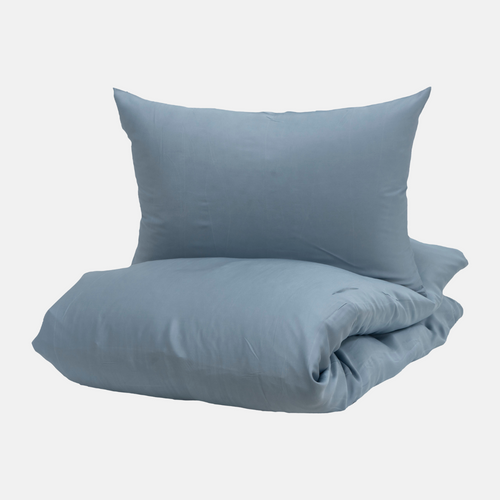
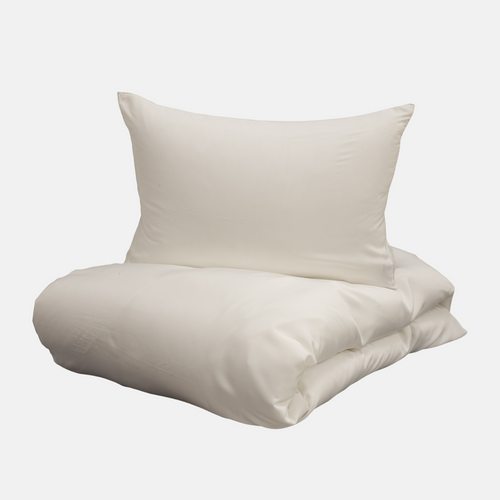
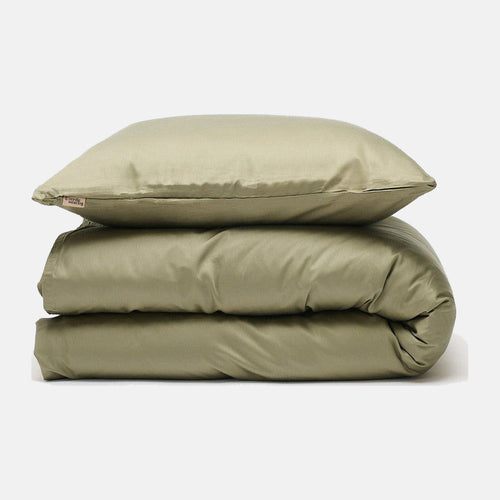
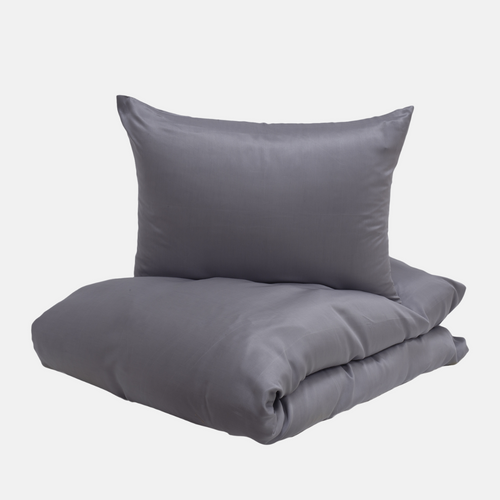
Short answer: Percale is a tight, matte weave that feels crisp against the skin. Satin is a smoother weave with a bit of sheen. Bamboo viscose is most often used in the smooth types, because that exact fibre supports satin's soft drape and shiny character.
Percale is the matte one
Percale is woven in the simplest possible pattern, one thread over and one under. That produces a fabric that feels cool and crisp against the skin, almost like freshly ironed cotton. See bamboo bedding , where percale is chosen for anyone who prefers a matte, fresh surface to sleep on.
Satin is the smooth one
Satin weave lets several threads sit on top of each other in the pattern instead of crossing evenly. That produces a smoother, slightly shiny fabric that reflects light differently than percale does. See home homewear in bamboo , where the same smooth weave is used for nightwear and loose loungewear.
Thread count matters for both
Whether it is percale or satin, the number of threads per square centimetre affects how dense and solid the fabric feels. A higher count usually gives slightly heavier and more durable bedding, but it is the weave, not the count alone, that decides whether it feels matte or smooth.
What you should choose
If you want a cool, crisp feeling that reminds you of a fresh made bed, choose percale. If you want a smoother feeling against the skin with a bit more sheen, choose satin. See bamboo towels , where the fabric structure follows the same logic, just in a different weave suited to terry fabric.
Why bamboo viscose suits satin well
The naturally smooth fibre of bamboo viscose reinforces the sheen and smoothness of satin weave, so the result feels even more luxurious than the same weave in cotton. That is why many bamboo bedding lines are made in satin rather than percale, even though both techniques work fine with the fibre.
How bedding gets softer over time
Both percale and satin get softer after the first few washes, because the stiff new fibres loosen slightly and settle closer against each other. You notice the difference most clearly with percale, since it starts the crispest. Satin already starts smooth and therefore changes less in the overall feel.
How to keep bedding looking good longest
Wash at the temperature the label recommends, and avoid too much heat in the tumble dryer, which can wear down the surface unnecessarily. Ironing is not needed for either percale or satin, but a pass with a hot iron can give satin an extra glossy look for special occasions.
The difference also shows in the price
Satin weave typically takes a little longer to produce, because more threads need to be guided precisely to sit correctly on top of each other. That can show up as a slightly higher price compared with percale of the same thread count, though the difference is rarely large in bamboo viscose.
Briefly, the choice between the two
There is no right or wrong answer, only a matter of taste between matte and crisp or smooth and shiny. Both weaves work well with bamboo viscose, and both get better with use and washing over time, so the choice mostly comes down to which feeling you prefer to sleep in.
Frequently asked questions
What is the difference between percale and satin
Percale is matte and crisp, satin is smooth with a bit of sheen. Both can be made from bamboo viscose, but the weave decides whether the surface feels cool and fresh or soft and shiny.
Which bedding is coolest
Percale feels the crispest and coolest against the skin. Satin feels smoother and a bit warmer, because the denser surface holds onto more body heat.
Does bedding get softer over time
Yes, percale in particular gets noticeably softer after the first few washes. Satin already starts smooth and therefore changes less in the overall feel over time.
See our range of Nordic Weaving bedding.