How to read green claims critically
Short answer: Look for a figure, a link in the chain and a source. A claim without all three cannot be checked and therefore says nothing.
The three questions
What is the figure. Which link in the chain does it apply to. And who measured it. If one of the three answers is missing, the claim is not usable. The method is simple, and you can use it on anything from a product page to an advert, without knowing the industry.
What is the figure
A claim with a figure can be checked, one without cannot. For example, less water says nothing until you know less than what, and how much. Always ask for the basis of comparison. Without it a figure can sound impressive and still mean nothing to you.
Which link in the chain
Raw material, production, transport, use and disposal are different links. A claim that applies to one link says nothing about the others. If you find a figure, ask which link it covers. Otherwise you risk believing that one good figure covers the whole life of the garment.
Who measured it
A measurement by an independent party is different from a label's own statement. Find the name of whoever measured, and see whether it can be looked up. If no source is given, you cannot judge what the figure is worth, and you should let that count in your assessment.
The most common empty words
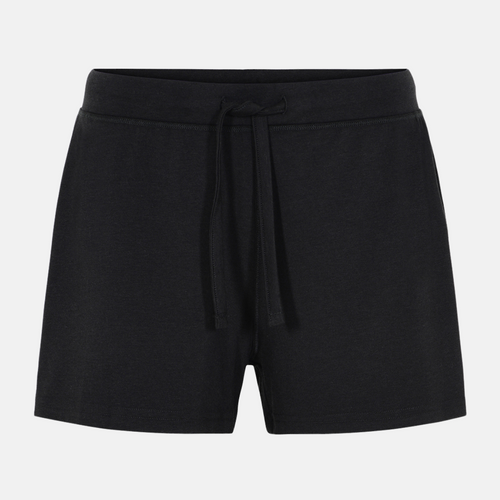
Natural, eco-friendly and green. None of the three has a shared definition, so they can be used about anything. Read the fibre name and the certificate number instead. See bamboo shorts for women and find the material composition on the product page before you judge.
What can be checked
A certificate number and a material composition. Both can be looked up and compared across brands, and neither depends on how the text is worded. That is why they are what you should build your judgement on when you compare two items.
Certificates
A certificate covers a defined area and has an issuer and a number. That makes it possible to check. See certified products and FSC certified products, and read what each certificate covers before you draw conclusions about the whole garment.
How to do it in the shop
Open the product page and find the material composition, the care label and any certificate numbers. Compare them with what the text promises. If the two fit together, that is a good sign. If the details are missing, write to the shop and ask, because that is perfectly normal.
If you are in doubt
Choose the item where you can check the most. It is no guarantee, but it gives you something concrete to hold on to. A claim you cannot check should not decide your purchase, however nicely it is worded or however often you meet it.
Frequently asked questions
Are certificates better than claims
Yes, because they can be looked up and cover a defined area. A claim without a source cannot be checked, and then you cannot know what it covers.
What does natural mean on a label
It has no shared definition. Read the fibre name instead, because it says exactly what the fabric consists of and can be compared across items.
Should you trust figures without a source
No. Without a source the figure cannot be checked, and then it cannot be used to compare. Ask for the source, or leave the figure aside.
You can find the full range at Bamboo-Clothing.com.