What happens to old clothes
Short answer: It is sorted by hand and goes to resale, to recycling or to incineration. Clean and intact clothing goes the first way, the rest the other two.
The sorting
Everything is sorted by hand at the receiving end. What can be used again is sold or donated. What cannot is torn into fibres or sent for incineration. Sorting follows condition and material, which is why a clean, intact garment has a much better chance than a worn one.
Resale
Clothes that are still usable are sold on or donated. That can happen in shops at home and at markets in other countries. It is the route that keeps the most value, because the garment is worn as clothing again and nothing new has to be made to replace it.
Recycling
Clothes that cannot be used again can in some cases be torn up into fibres. The fibres can then go into new products. It requires the material to be suitable and not too worn. So not everything can take this route, even if it is handed in with good intentions.
What the fibres become
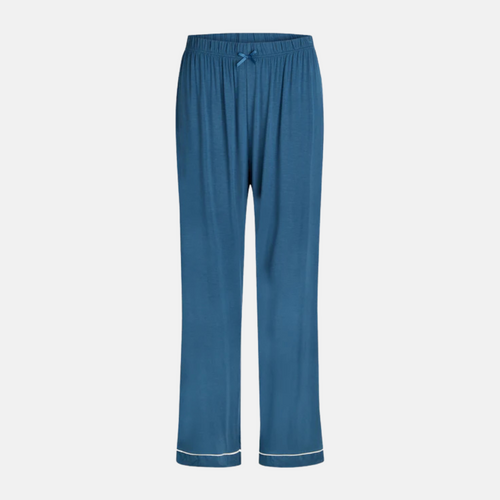
Insulation, filling for furniture and industrial cloths. Only part of the fibres can become new textile, because the fibres get shorter each time they are torn up. Mixed materials are harder to separate. See women's bamboo pants and read the material composition on each item.
Mixed materials
A garment with several fibre types is harder to separate than one made of a single material. Elastic and sewing thread can make it harder still. A pure composition gives a better chance, but it does not decide alone what happens. Read the care label so you know what your clothes consist of.
Incineration
What is too worn, damp or heavily soiled often ends up being incinerated. It is the least wanted route, but it exists, and it hits clothes that were left unwashed or wet in a bag. You can avoid it by washing and drying clothes before you hand them in.
What you decide
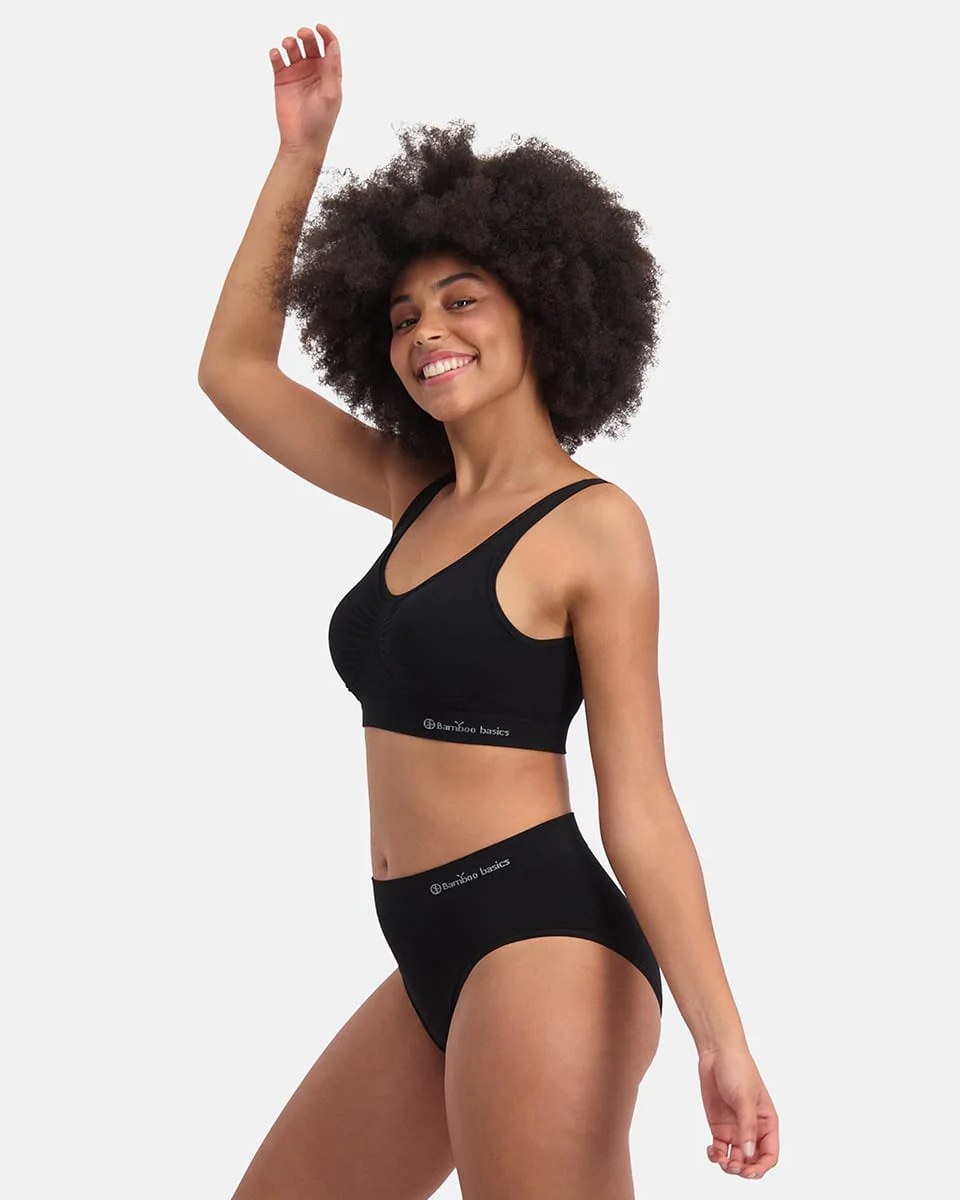
Whether your clothes land in the first pile. Clean, dry and intact clothes are used again as clothes, and that is the route where the most value is kept. So sort at home, and note on the bag what is inside. See bamboo dresses and home and homewear in bamboo as examples of clothing that can be passed on.
How to hand in
Wash, dry fully and put the clothes in a bag. Keep what can be used again apart from what is worn, so the receiver can sort faster. Ask what the place accepts, and hand the bag in before it sits for months, where clothes can turn damp or be forgotten.
Where it ends up
The journey can be long. Clothes sold on can end up in shops and at markets in other countries, while fibres become insulation and cloths. You need not follow it all, but it helps to know that your effort in the first step decides how far the garment can go as clothing.
Frequently asked questions
Is everything recycled
No. Some is incinerated, especially what is damp and heavily soiled. That is why it matters to wash and dry clothes before handing them in, so they have a better chance.
Can mixed materials be recycled
It is harder. Pure materials are easier to separate, while blends of several fibre types and elastic may be sorted out and end up elsewhere.
Where does what is sold on end up
Both in shops at home and at markets in other countries. Exactly where it lands depends on who receives it and where there is demand.
You can find the full range at Bamboo-Clothing.com.