How yarn is stored before knitting
Short answer: Yarn should lie dry and dark at a stable temperature. Moisture and sunlight change the thread long before it reaches the machine, and you can feel it in the finished fabric.
Moisture changes the thickness
Viscose takes up water from the air. If the yarn lies damp, the thread becomes thicker and heavier, and the tension in the knitting machine goes wrong. That is why humidity is controlled in the store, so the yarn holds the same water content each time it is knitted.
Light and heat cost strength
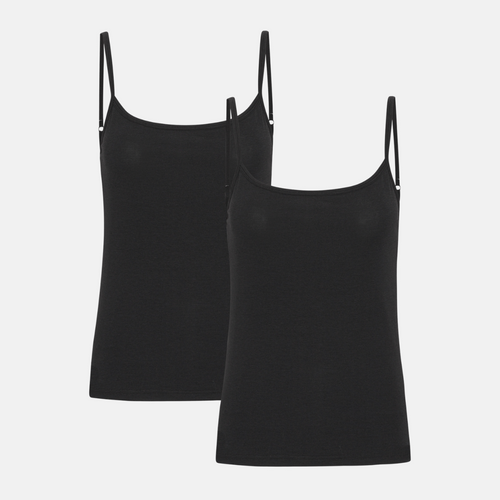
Direct sunlight slowly breaks down the fibre, and heat makes the elastane in the yarn lose its spring. Cold, dark rooms are dull but right. The yarn should not stand by a window or close to a radiator, even for a short time. See bamboo tights for women.
A stable temperature
Big swings in temperature cause condensation and damp patches on the reels. That is why a stable temperature is almost as important as a low one. A store that is neither very warm nor very cold, and dry as well, is the best place for yarn until it is needed.
Why there is a date on the reel
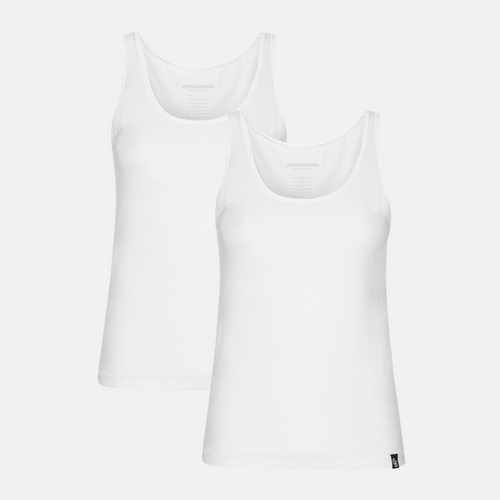
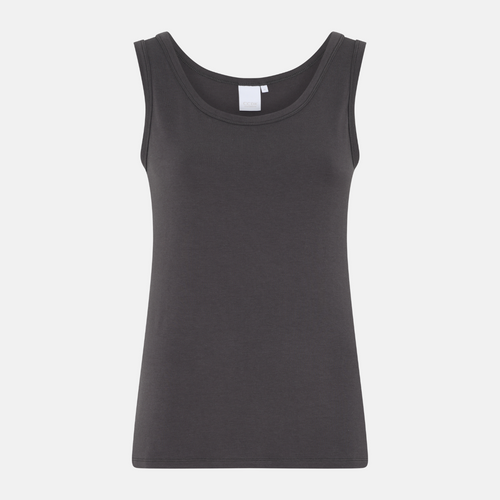
Yarn has a practical shelf life. A batch that has lain too long is not knitted together with a fresh batch, because colour and hand can differ. The date on the reel makes it possible to keep batches apart and use the oldest first. See bamboo T-shirt for women and bamboo tops for women.
Why batches are not mixed
Colour and feel can differ slightly between two batches of yarn, even when they are ordered in the same way. If they are mixed in one garment, the difference can show as a change of tone. That is why a garment is knitted from one batch, and the rest is kept for next time.
Elastane gets tired
Elastane is the part of the yarn that gives the fabric its stretch. Over time it loses its spring, especially if it has lain warm or in light. An old batch can therefore give a fabric that gives back less than it should and holds its shape less well after wear.
The colour can shift
Over years the shade of the yarn can shift. This applies especially to yarn that has lain in light. That is why not only the thread but also the colour must be stored in the dark. A batch that has changed cannot be corrected, and prevention is cheaper than discarding.
Does it apply to the finished fabric
Yes. Rolls of fabric are also stored dark and dry before cutting. Moisture in a roll can cause stains and smell, and light can fade the edge of the roll. So there is little difference between looking after the yarn and looking after the fabric it becomes.
What you can do at home
The same thinking applies in your drawer. Keep clothes dry and out of direct sun, and do not leave them damp in a basket. That way the fabric keeps its colour and shape longer. It is not hard, but it requires the clothes to be fully dry before they are put away.
Frequently asked questions
Can yarn become too old?
Yes. Elastane gets tired, and the colour can change shade over years, so an old batch does not always behave like a fresh one.
Why does humidity matter so much?
Because the weight and thickness of the thread follow the water content directly, and that changes the tension in the knitting machine and the fabric itself.
Does the same apply to the finished fabric?
Yes. Fabric rolls are also stored dark and dry before cutting, so moisture and light do not change the colour or cause stains.
You can find the full range at Bamboo-Clothing.com.