Why sewing thread and fabric yarn are not alike
Short answer: Fabric yarn should be soft and stretch, sewing thread should be strong and stay where it is. The two threads have opposite jobs in the same garment, which is why they are made in different ways.
Opposing demands
The yarn in the fabric has to give when you bend an elbow or reach for something on a shelf. The thread in the seam has to hold the pieces together without giving more than the fabric around it. One thread must yield, and the other must stay stable.
Why the thread is thinner than you think
A sewing thread is often thinner than the yarn in the fabric, but it is spun hard and from a stronger fibre. Strength comes from twist and material, not thickness. A thin, tightly twisted thread can carry more than a thick, soft one of the same length. See Jack and Jones.
Why the fabric yarn is soft
The yarn in the fabric is spun loosely enough for the fibres to give against the skin, and knitted in stitches that stretch in every direction. That brings comfort and freedom to move. The price is that the yarn is not built to carry the concentrated pull of a seam.
What happens if the choice is wrong
A thread that is too stiff cuts into the fabric, and a hole forms along the seam. A thread that is too weak snaps, and the seam opens without anything wrong in the fabric. Both signal that the thread does not suit the fabric, not that the fabric is poor.
Where the seam takes most strain
Seams at the crotch, under the arm and at the shoulders are pulled most, because the body moves strongly there. The thread carries the whole load, while the fabric spreads around it. That is why a seam rarely fails mid back. See bamboo T-shirts for men.
Polos and other pieces with seams
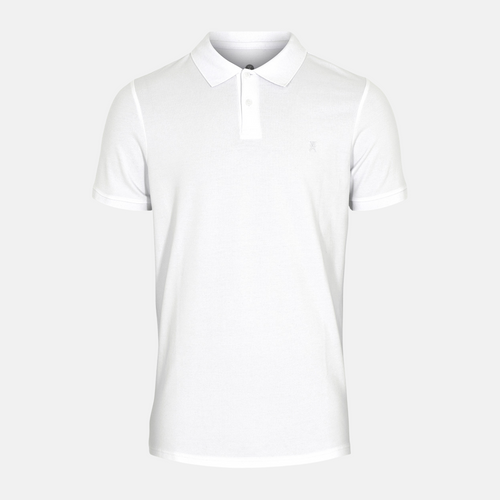
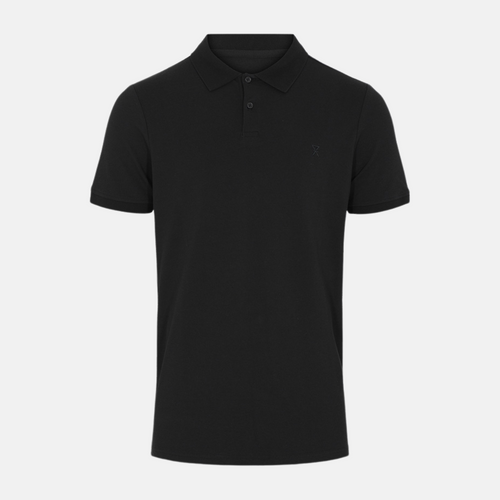
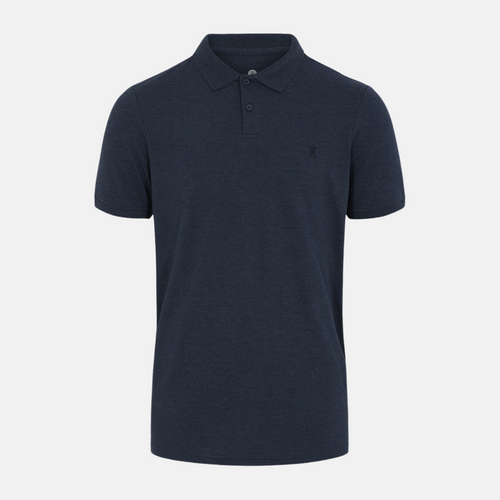
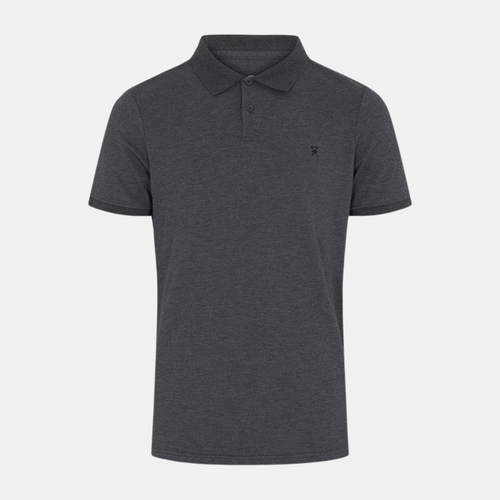
A polo has seams at the shoulders, sleeves, hem and placket, and each has its own job. The placket must hold even when you pull at it, and the collar should lie neatly. See bamboo polos for men and notice how the seams are set.
How to repair a seam
For a small repair at home, ordinary polyester thread with a small zigzag stitch works, so the seam can stretch with the fabric. A perfectly straight stitch turns stiff and can break again. If the damage is large, it is better to ask someone who sews.
Must the thread match the fibre
No. The thread does not need to match the fibre in the fabric, but the load and the washing. It must survive washing at the same temperature as the garment and follow the fabric's movement without breaking. That is why thread and fabric are often different fibres.
What it means when you buy
You do not need to guess the thread material to judge a garment. Look instead at whether the seams lie flat, the stitches are even, and the seam gives when you gently pull the fabric. That says more about durability than the name of the thread.
Frequently asked questions
Can I repair with ordinary sewing thread?
Yes, for small seams. Choose polyester and sew with a small zigzag, so the seam can stretch with the fabric instead of standing stiff.
Why do seams at the crotch fail first?
Because the pull is greatest there and the thread carries the whole load, while the fabric around it takes only a part of it.
Must the thread match the fibre in the fabric?
No. It must match the load and survive washing at the same temperature as the garment, so it does not weaken with the care the clothes get.
You can find the full range at Bamboo-Clothing.com.