What hygroscopic means about a fabric
Short answer: Hygroscopic means that a fibre can absorb moisture from its surroundings. Bamboo viscose is hygroscopic, which is why the fabric can move sweat away from the skin and rarely becomes static.
Absorbs moisture from the air
A hygroscopic fibre draws moisture to itself, even from the air in a room. The moisture settles inside the fibre, not just on the surface. That is why the fabric can feel dry to the touch even after absorbing a fair amount. It is also why it rarely turns static in dry winter months.
Moves sweat away
Moisture is absorbed into the fibre and carried further into the fabric, where it can evaporate. This keeps the skin drier, even when you sweat a little. Many find it more comfortable through the day, especially in garments worn close to the body. Read more in moisture wicking.
Unlike synthetic fibres
Polyester absorbs almost no moisture. Instead it moves water along the surface between the fibres, which works differently. It dries fast but can feel clammy on the skin, because the moisture is not drawn into the fibre. No fibre is best at everything, but they behave differently in daily use.
Why bamboo does not go static
Static electricity needs dry material. A fibre that holds a little moisture leads the charge away before it can build up. That is why bamboo viscose rarely gives small shocks or makes hair stand up. See antistatic clothes for more on why some fabrics crackle and others do not.
Why it takes longer to dry
Moisture inside the fibre also means a longer drying time than for synthetic fabrics. It is the other side of the same property. The water has to leave the fibre itself, not just the surface. Hang garments with space around them, ideally somewhere with a little airflow, and give them time.
Where you notice it
In underwear, socks and bedding the difference is clearest, because they sit close to the skin for many hours. Here it helps that moisture is absorbed rather than left lying on the skin. See bamboo underwear for men for everyday basics where this property makes a difference.
In your socks
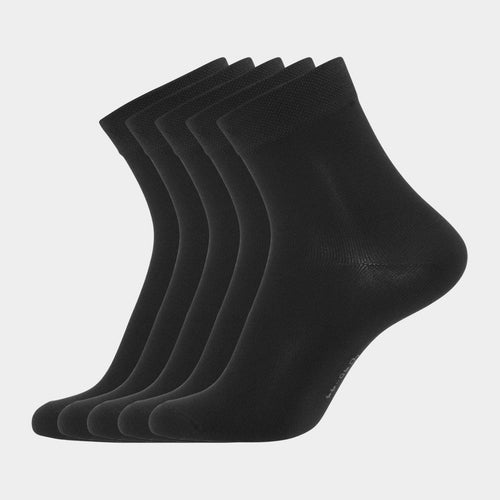
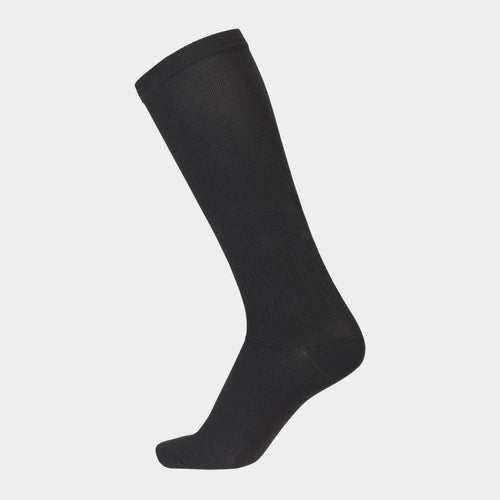
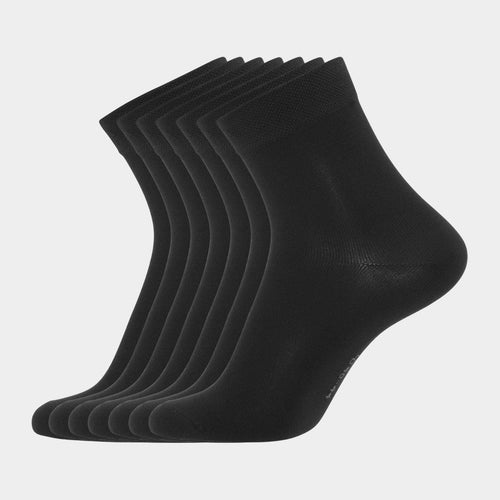
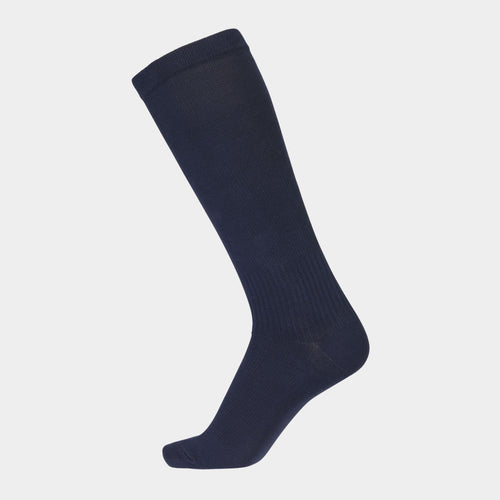
Feet sweat more than many think, and shoes trap the moisture. A hygroscopic sock absorbs some of it, so the foot feels drier through the day. Change socks if you have worn them for a long time, and let shoes air between uses. See bamboo socks for men.
In bed
Under the duvet the body releases moisture all night. A hygroscopic fibre absorbs it, instead of leaving it between skin and sheet. That can make the night more comfortable for those who often wake up damp. See bamboo bedding for sheets and duvet covers in the soft material.
Care that keeps the property
Fabric softener leaves a thin film on the fibres that can reduce their ability to absorb moisture. Wash with a mild detergent at 30 or 40 degrees and skip the softener. Do not use too much detergent, as residue can stay in the fabric. That way the fibre keeps its properties for as long as possible.
A term on the label
You will rarely see the word hygroscopic on a label, but you will often see moisture absorbing or breathable. They describe the same property. Once you know what it means, it is easier to judge which fabrics suit underwear, bedding and clothes you wear all day.
Frequently asked questions
Are all natural fibres hygroscopic?
Most natural and plant based fibres, such as cotton, wool and viscose, absorb moisture to a greater or lesser degree. Synthetic fibres such as polyester absorb almost none.
Does hygroscopic mean the fabric feels wet?
No. The moisture sits inside the fibre, so the fabric can feel dry to the touch even after absorbing a fair amount from the skin or the air.
Why does bamboo dry more slowly than polyester?
Because the water sits inside the fibre and not just on the surface. It takes longer to evaporate, and that is the other side of the ability that keeps skin dry.
You can find the full range at Bamboo-Clothing.com.