Is bamboo clothing warm or cool
Short answer: Both, depending on how it is worn. On its own as a thin layer it feels cool, and as a base layer under other clothing it holds in warmth without adding bulk.
Moisture decides
It is moisture against the skin that decides whether you feel cold or sweaty. Damp skin feels cold when it is cool and sticky when it is warm. A fabric that moves moisture away from the skin and lets it evaporate therefore works both ways. It does not create heat, but it helps the body stay balanced.
In summer
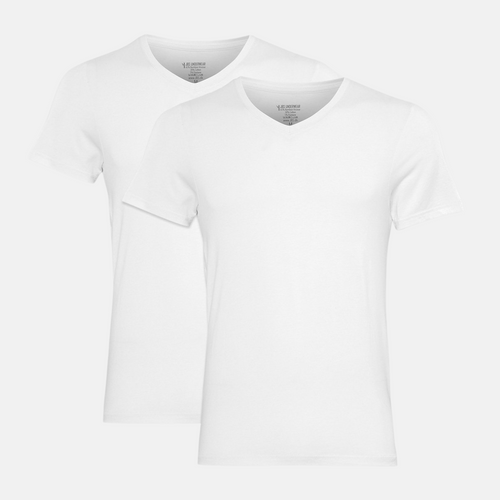
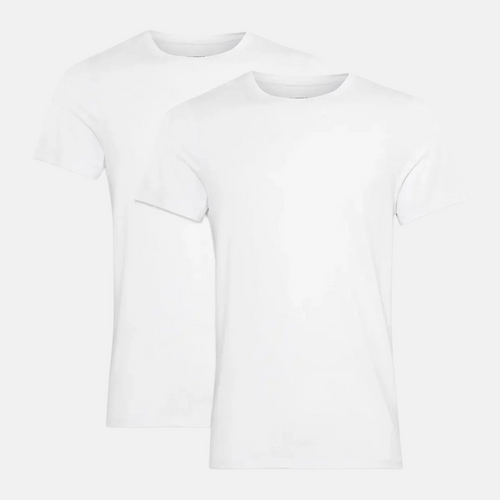
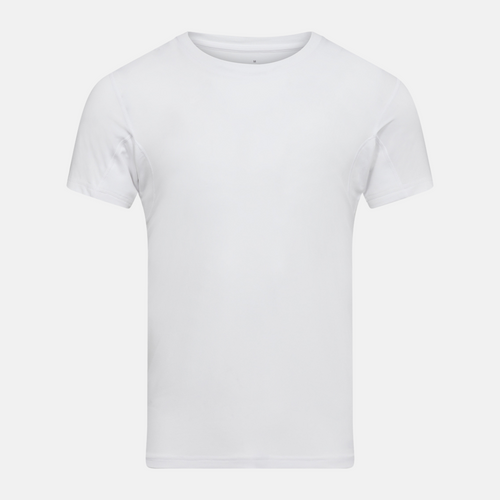
Worn alone and loose, bamboo clothing feels cool, because sweat is moved away from the skin and the fabric does not cling. A thin t-shirt with air around the body is the lightest choice on warm days. Pick light colours for the sun and a fit that is not tight. See bamboo t-shirts for men.
In winter
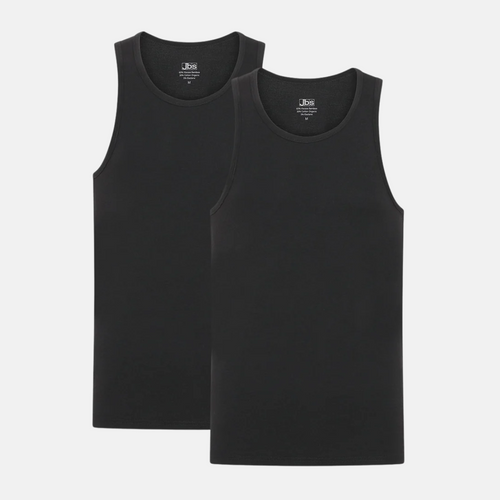
As a thin inner layer, bamboo clothing holds warmth without bulk. It sits close to the skin, and because moisture is moved away, you do not get cold from your own sweat when moving between cold and warm places. That makes it easy to wear under a shirt or jumper. See bamboo undershirts for men.
Thickness matters too
A sweatshirt fabric warms more than a thin t-shirt, whatever the fibre. Thicker fabric holds more air, and it is the air that insulates. If you want something warm, look at fabric weight and knit, not only the material. See sweatwear.
Layer by layer
The most flexible approach is several thin layers rather than one thick one. A thin layer inside that moves moisture, something warm over it, and something outside for wind and rain. Then you can take a layer off when you warm up and put it back on when you stand still.
In bed
At night the effect is easiest to notice. Many people sweat a little in their sleep, and a fabric that moves moisture away keeps the duvet from feeling clammy. It does not mean you never get warm, but you lie comfortably more often. The duvet's thickness still matters most. See bamboo bedding.
What it cannot do
The fabric does not react to the weather or change temperature by itself. What it does is handle moisture well, and moisture often decides how the temperature feels. It is worth knowing, so you do not expect more than the fabric can deliver. Read what temperature regulation in clothes actually means.
Fit plays a part
Loose clothing lets air through and feels cooler, while close fitting clothing holds warmth better. As a winter base layer it should sit close, so it can move moisture from the skin. As summer wear on its own it can sit looser. Choose the fit for the job.
Washing and care
The moisture handling lasts best when the clothing is washed correctly. Fabric softener coats the fibres and makes it harder for them to take up moisture, so leave it out. Wash at 40 degrees and let the clothing air dry, and it keeps both its softness and its function.
Read more
If you want to know more about how clothing affects whether you feel cold or sweaty, and why moisture plays such a big part, there is more to read on the topic. Read more about bamboo and temperature regulation.
Frequently asked questions
Is bamboo clothing cool in summer?
Yes, when worn alone and loose, because moisture is moved away from the skin. Choose a thin quality and a fit with air around the body.
Can bamboo clothing be worn in winter?
Yes, as a thin inner layer under other clothing. It holds warmth without bulk and moves moisture away, so you do not get cold from sweat.
Does the fabric change temperature by itself?
No. The fabric does not react to the weather. It handles moisture well, and moisture often decides whether you feel warm or cold.
See our range of Copenhagen Bamboo.