Layering in the transitional seasons
Short answer: Layering works because the air between the layers insulates. Two thin layers therefore hold warmth better than one thick one, and they can be adjusted along the way when the weather changes during the day.
Air insulates
It is not the fabric itself but the still air between the layers that holds the warmth. Each layer traps a thin layer of air, and the more thin layers, the more pockets of air. That is why two thin tops can keep you warmer than one thick one, even though they weigh less.
The inner layer
The inner layer should move moisture away from the skin. If it gets wet with sweat, it draws heat from the body, and you get cold as soon as you stand still. Choose a thin layer that fits closely without squeezing. See bamboo vest for men.
The mid layer
The mid layer should hold the air. A thin sweatshirt or long sleeve top does the job in the transitional seasons, when a thick fleece often gets too warm. The mid layer is also the one you take off first when the sun comes out. See sweatwear for light jumpers.
The outer layer
The outer layer should keep wind and rain out. This is where a jacket does its work. It does not need to be thick when the layers underneath hold the warmth. A light, windproof jacket with room for a mid layer covers most days in spring and autumn.
The mistake most people make
The most common mistake is wearing cotton as the inner layer. Cotton soaks up moisture and holds it, so the layer gets wet with sweat. When you then stand still on the platform or at a traffic light, you get cold. An inner layer that moves moisture away avoids that problem.
For women
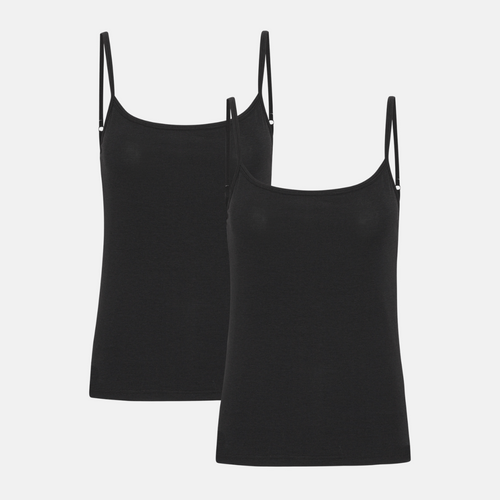
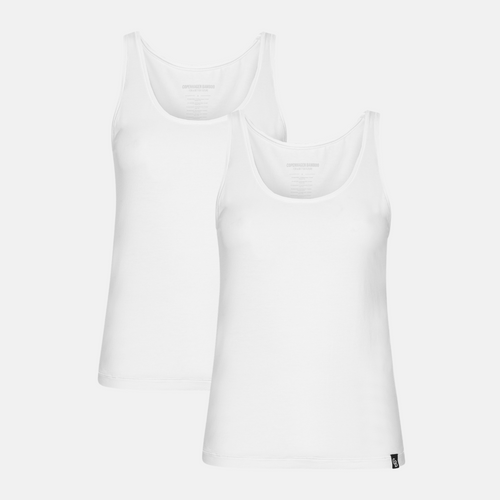
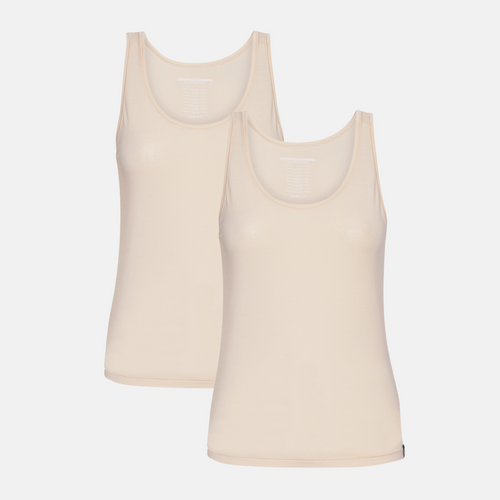
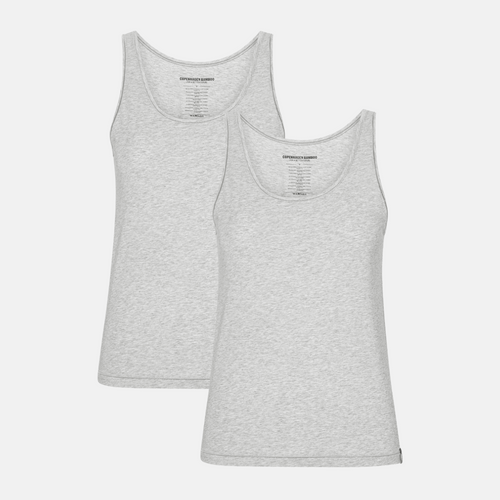
The principles are the same for women: a thin inner layer, a mid layer that holds the air, and an outer layer against the weather. A thin vest works under a blouse or knit without adding bulk. See the matching pieces in bamboo vest for women.
The fit of each layer
Each layer needs room for the next. The inner one fits closely, the mid layer a little looser, and the outer one has space for both. If the layers are too tight, the air is pressed out and the insulation disappears. Try the jacket on with a jumper underneath before deciding.
Adjust as you go
The strength of layering is that you can adjust. Take the mid layer off when you walk fast or come into the warmth, and put it back on when you stand still. It is better to do this early than to wait until you are already sweating or cold.
From autumn to winter
Layering works all year, but the transitional seasons are where it helps most. When winter arrives, you can add a layer on the legs and switch to a thicker mid layer. More on the topic in bamboo clothing for cold days.
Washing
The inner layer is worn close to the skin and needs washing most often. Wash at 40 degrees with a mild detergent, and skip fabric softener, which makes the fabric worse at moving moisture. Let it air dry. More tips in the washing guide.
Frequently asked questions
Why do two thin layers work better than one thick one?
Because the air between the layers insulates. Several thin layers create more pockets of still air, and you can take one off when you get warm.
What should the inner layer do?
Move moisture away from the skin, so you do not get cold when you stand still. It should also fit closely without squeezing, so it does not form folds under the other layers.
Is cotton a poor base layer?
It soaks up moisture and gets wet with sweat, so you get cold when you stand still. For everyday wear without sweating it is fine, but for active days another material works better.
You can find the full range at Bamboo-Clothing.com.