Microplastic from clothes and where bamboo viscose stands
Short answer: Microplastics are released from synthetic fibres such as polyester and nylon when they are washed. Bamboo viscose is a manufactured fibre made from cellulose and does not shed plastic fibres, although any elastane in the garment is synthetic.
Where microplastics come from
Polyester, nylon and acrylic are plastics spun into yarn. During washing, clothes rub against the drum and each other, and tiny pieces of fibre break off. They are so small that some of them pass through wastewater treatment and end up in nature.
Bamboo viscose is cellulose
Viscose is made from plant cellulose, in this case from bamboo. The raw material is dissolved and spun into new fibres, but chemically it remains cellulose. The fibres are therefore not plastic and do not release plastic particles, even though they shed small bits of lint.
Elastane is the exception
Much bamboo clothing contains a small share of elastane, which gives stretch and helps the garment return to shape. Elastane is a synthetic fibre. The share is small, but it is fair to say that clothes with stretch are not entirely free of synthetic material.
Fleece and sportswear shed the most
Loose, fluffy synthetic fabrics like fleece shed the most fibres, because they have many loose fibre ends on the surface. Dense, smooth fabrics shed fewer. New clothes usually shed the most in the first washes, after which the amount drops.
What you can do yourself
Wash full loads at low temperatures and avoid washing clothes that only need airing. Do not spin harder than necessary, because more friction releases more fibres. You can wash the most shedding synthetic items separately in a laundry bag.
The base layer
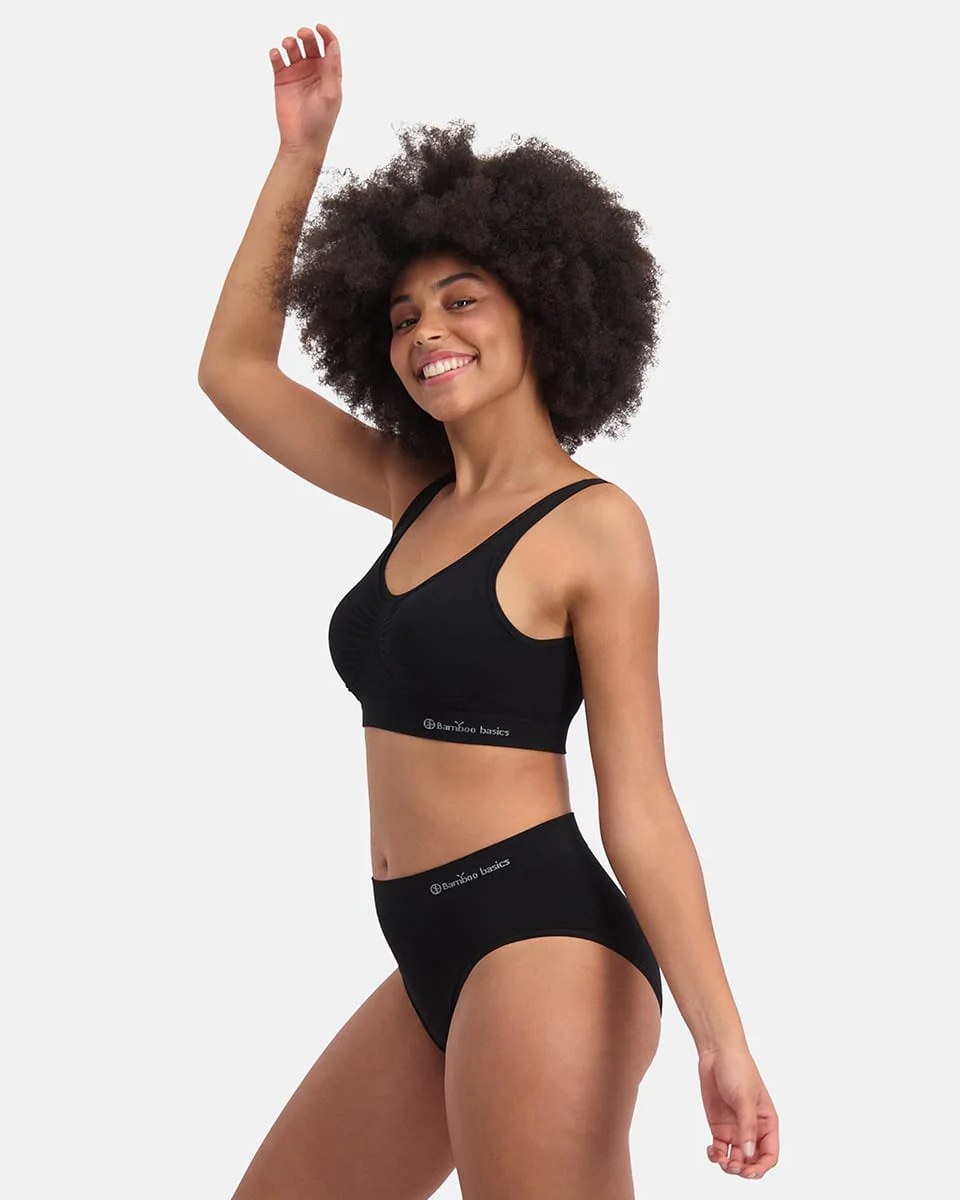
The innermost layer is washed most often, because it sits directly against the skin. If you switch that layer from synthetic to viscose, you move a large share of your washing away from plastic fibres and get a soft layer against the skin. See bamboo underwear for men.
Training clothes
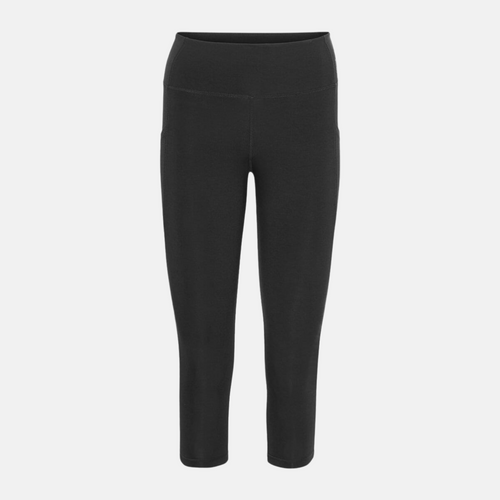
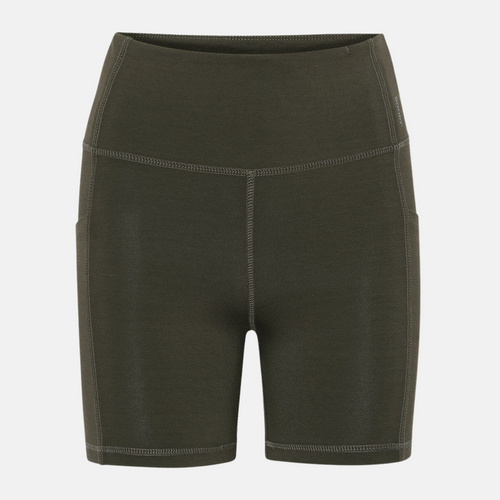
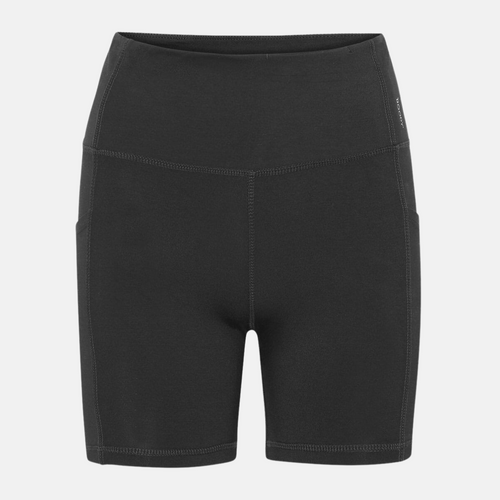
A lot of training wear is made from polyester or nylon, and it is washed often because it gets sweaty. That makes it one of the largest sources of fibres in an ordinary household. For an alternative in viscose, see bamboo activewear for women.
Wash less, not just differently
The most effective way to reduce fibres in the wash is to wash less often. Many items can be worn two or three times before they need washing, if they are aired well in between. This applies especially to jumpers and trousers.
Living with the mix
Most people have a wardrobe with both natural and synthetic fibres, and that is completely normal. It makes no sense to throw away usable clothes just to change material. Switch when something needs replacing anyway, and start with what you wash most.
Read more
If you want to know more about how the fibre is made and how it behaves in wear and in the wash, the background is gathered in what is bamboo viscose. There you can also read about how it differs from other cellulose fibres.
Frequently asked questions
Does bamboo viscose shed microplastics
No, the viscose fibre itself is cellulose, not plastic. If the garment contains elastane, that part is synthetic, but the share is usually small compared with the rest of the fabric.
Does washing at low temperatures help
Low temperatures and a moderate spin cause less wear on the fibres. That makes it a good habit regardless of material, and it is also gentler on elastic and colours.
What sheds the most fibres in the wash
Loose synthetic fabrics like fleece usually shed the most fibres, especially when new. Dense and smooth fabrics shed fewer, and the amount generally drops after the first few washes.
You can find the full range at Bamboo-Clothing.com.