Is bamboo viscose biodegradable
Short answer: Pure bamboo viscose is a cellulose fibre, and cellulose breaks down in nature. If the garment is blended with elastane or polyester, only the cellulose part breaks down, while the synthetic part remains.
Cellulose breaks down
Viscose fibres are made from cellulose, the same substance plants are built from. Fungi and bacteria in the soil can break down cellulose, so a pure viscose fibre can decompose over time. That does not apply to plastic fibres like polyester and nylon, which last much longer.
Blends change the picture
If elastane is added for stretch, that part remains once the cellulose has broken down. This applies to most socks and much underwear with stretch. Always read the content label if you want to know how much of the garment is cellulose and how much is synthetic.
Dyes and finishes
Dyes and any finishes on the fabric stay with the garment all the way. They can affect how cleanly it breaks down and what is left behind. That is one reason why clothes should not go in the compost or be buried, even though the fibre itself can decompose.
What it means in practice
Clothes do not belong in nature, whatever fibre they are made from. They belong in textile collection, where they can be sorted for reuse or recycling. Whole, clean clothes can be worn by others, and worn out clothes can sometimes become new materials.
Lifespan matters most
What matters most is how many times clothes are worn before they are discarded. A top that lasts several years replaces several new ones. Good washing, gentle drying and mending small damage extend the lifespan. Read more in how long does bamboo clothing last.
Plain basics
If you want clothes with a high share of cellulose, basics without much stretch are a good place to start. A t-shirt does not need to fit as closely as underwear, so it often has less elastane. See the range in bamboo t-shirts for men.
Underwear with stretch
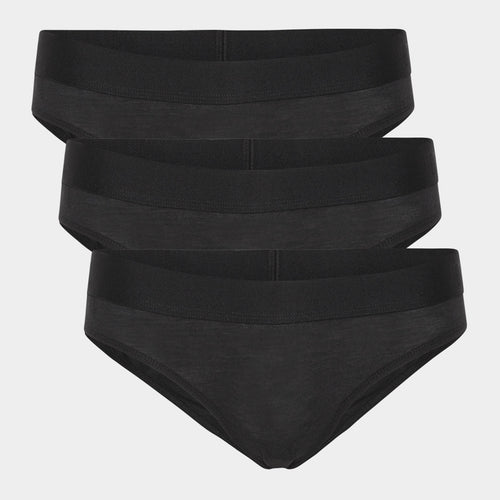
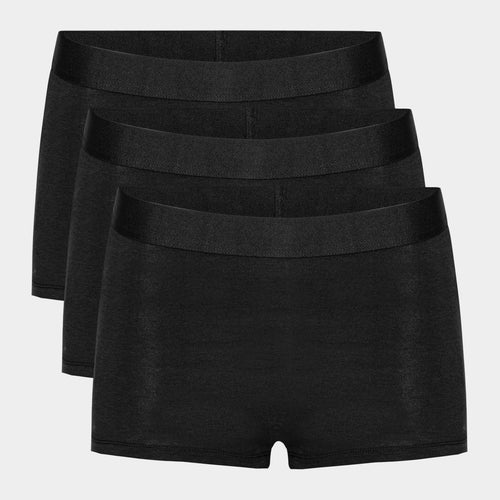
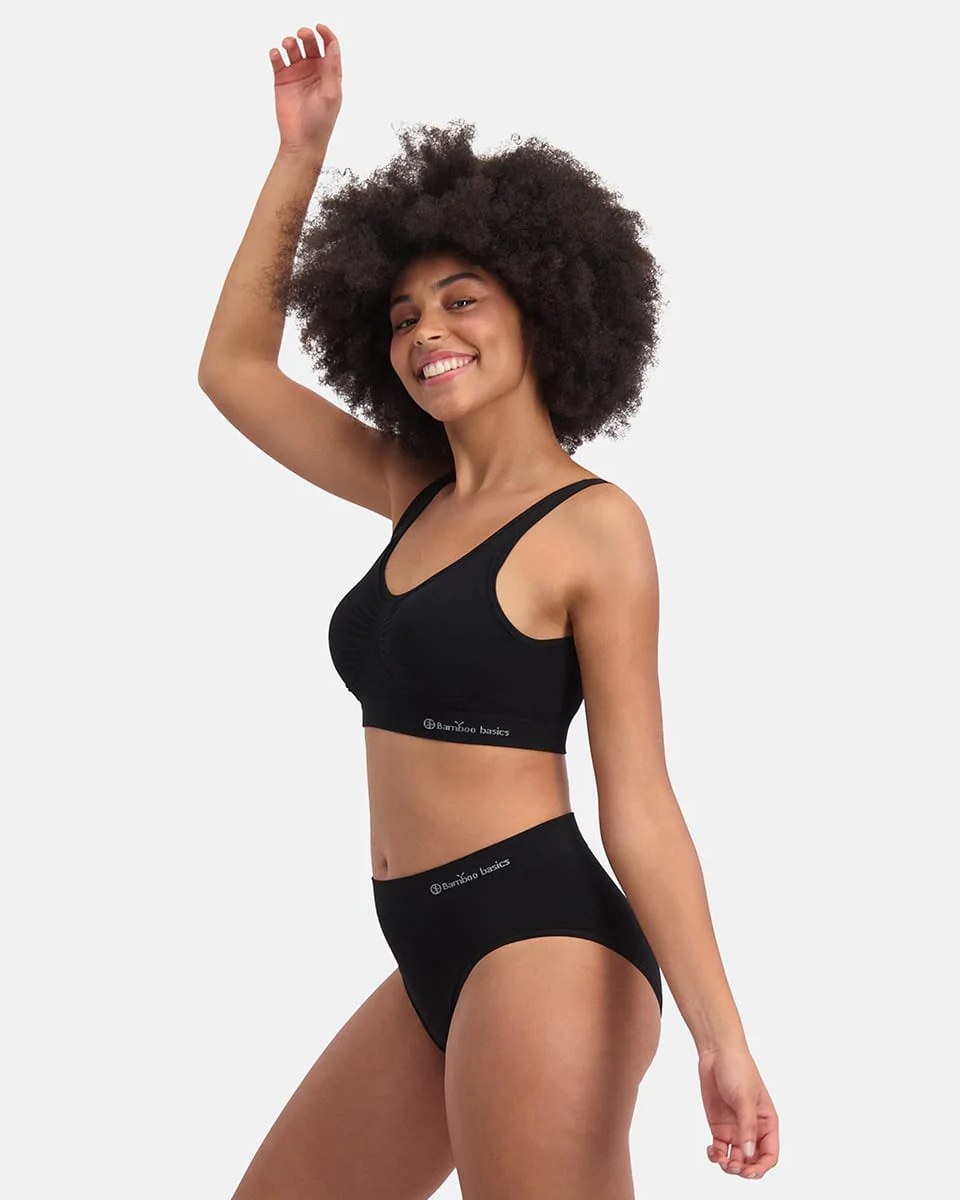
Underwear should fit closely and follow the body, so it almost always contains some elastane. It is a deliberate choice, because underwear without stretch quickly loses its shape. See the styles in bamboo underwear for women, and check the content on each item.
Bedding
Bedding should not cling, so it is often made with little or no elastane. That makes it one of the products where cellulose makes up most of the fabric. Washed correctly, it also lasts for many years. See bamboo bedding.
Where clothes actually end up
By far most clothing does not end up in nature, but in collection or incineration. So it matters more that clothes are worn for a long time and handed in at the right place than what happens to the fibre in soil. Being biodegradable is a property of the fibre, not a reason to throw clothes away.
Read more
The background on the fibre, how it is made and how it behaves in wear and in the wash, is in what is bamboo viscose. There you can also read about how it differs from other materials in your wardrobe.
Frequently asked questions
Can I put bamboo clothing in the compost
No, that is not recommended. Dyes, sewing thread and any elastane stay in the garment, and clothes belong in textile collection, where they can be sorted for reuse or recycling.
Does elastane break down
Elastane is a synthetic fibre and does not break down like cellulose. When clothes with stretch decompose, only the viscose part disappears, while the elastane stays behind.
How can I see how much cellulose is in my clothes
Look at the content label in the garment or in the product description. It shows the split between viscose and any elastane or polyester, which gives you a clear picture of the material.
You can find the full range at Bamboo-Clothing.com.