Natural Materials vs. Synthetic Clothing – The Big Overview
Short answer: Natural materials such as cotton, wool and plant based bamboo viscose breathe, absorb moisture and smell less. Synthetic fabrics such as polyester are cheap and quick drying, but hold on to odour and shed microplastics. For clothing against the skin, natural materials almost always win.
What are natural materials?
Natural materials are fibres that come from plants or animals. Cotton and linen come from plants, while wool and silk come from animals. What they have in common is that the fibres can absorb moisture and feel pleasant against the skin. Each has its own strengths and weaknesses in use and care.
What are synthetic fabrics?
Synthetic fabrics such as polyester, nylon and acrylic are made from oil. The fibres are strong, cheap and dry quickly, which is why they are used in everything from sportswear to jackets. On the other hand, they absorb almost no moisture, and that is exactly what makes them less comfortable close to the body.
The big difference: moisture
Natural fibres absorb moisture and let it evaporate gradually. Synthetic fibres absorb almost nothing, so sweat stays between skin and fabric. That feels clammy, especially when you move or sit for a long time in a warm room. The difference is clearest in the clothing closest to the skin.
And therefore odour
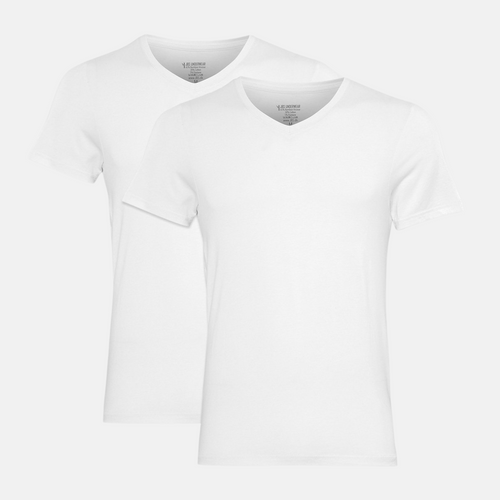
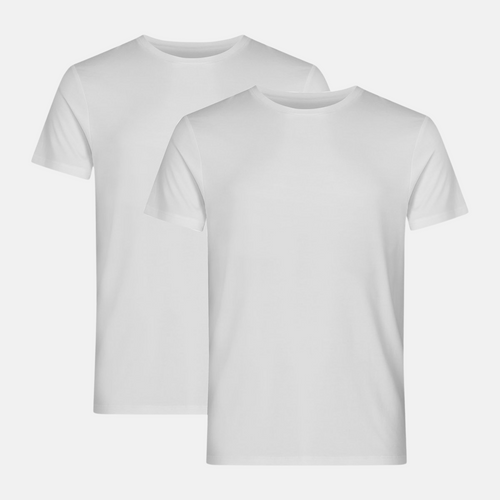
When moisture stays put, odour causing bacteria thrive. That is why a polyester top often smells after one day, while a bamboo T-shirt for men stays fresh longer. The odour can also settle in synthetic fibres, so it does not disappear completely, even after a normal wash at a low temperature.
Microplastics in the washing machine
Synthetic clothing sheds tiny plastic fibres when it is washed. They are too small to be caught by the machine and end up in the wastewater. Natural materials shed fibres too, but they are not plastic. That is one more reason to choose plant based fabrics for the clothing you wash most often.
Where does bamboo viscose fit?
Bamboo viscose is plant based: the raw material is cellulose from bamboo, but the fibres are made chemically. On the body it behaves like the best natural materials. It is soft, breathable and moves moisture away from the skin. It sits between natural and synthetic, but closest to natural.
Closest to the skin: choose plant based
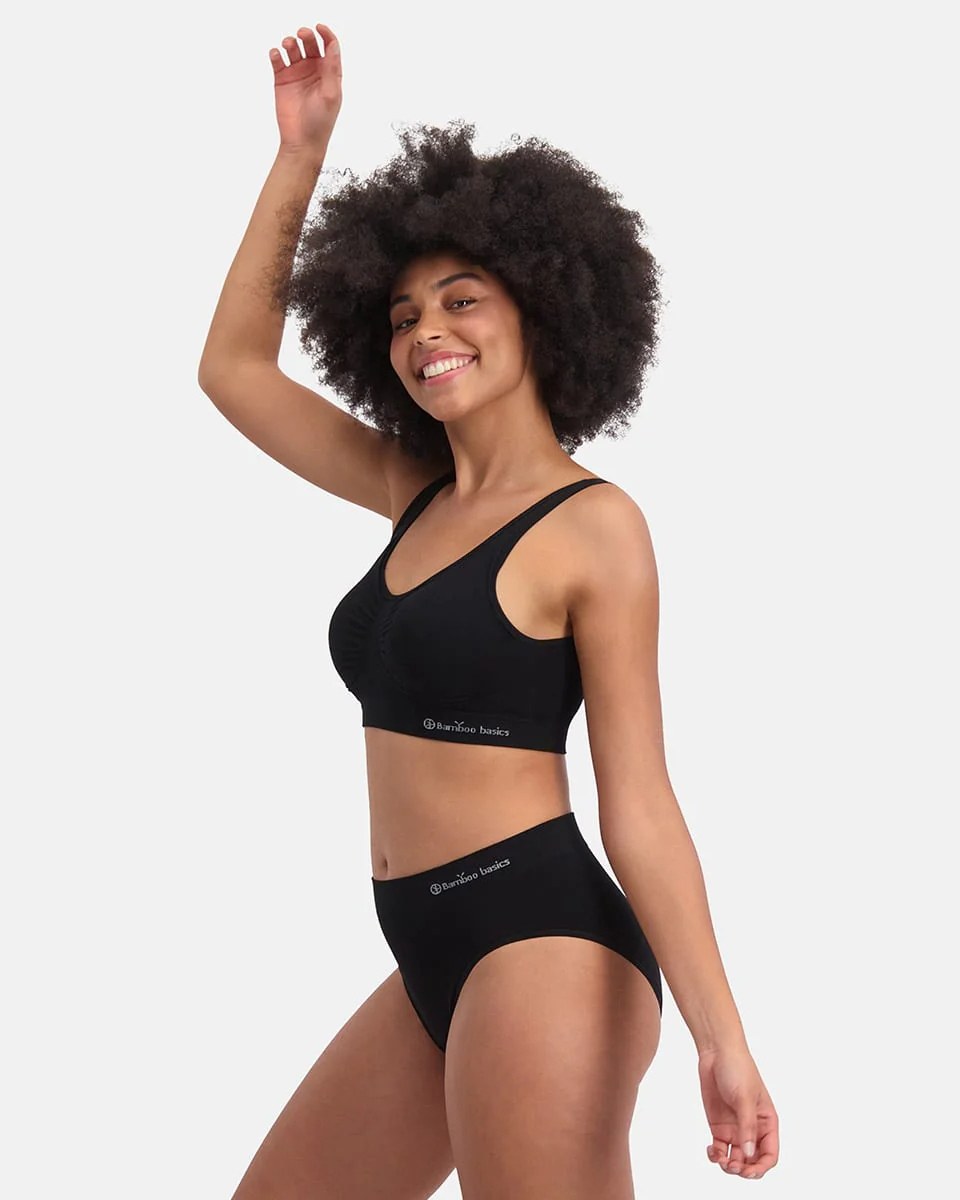
The clothing that sits directly on your skin all day is where the material matters most. Choose bamboo underwear for women and bamboo socks for women, where moisture and warmth build up. Here a breathable material makes a noticeable difference to comfort from morning to evening.
At night
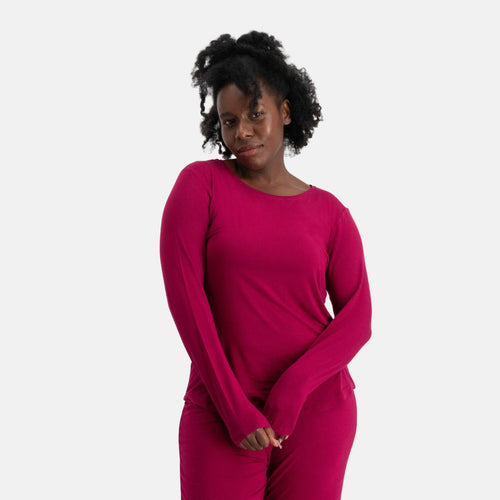
The body releases moisture while you sleep, and synthetic nightwear can lead to a clammy, restless night. Nightwear in bamboo viscose lets the moisture evaporate and helps the body keep an even temperature under the duvet. That can make it easier to sleep through, especially on warm summer nights.
Where synthetics make sense
Synthetic fabrics have their place. A rain jacket needs to keep water out, and a windbreaker should be light and hard wearing. Here polyester and nylon are often the best choice. The trick is to wear synthetics on the outside, where their properties make sense, and plant based fabrics on the inside, where the skin needs to breathe.
In short
Natural materials breathe, absorb moisture and smell less, while synthetic fabrics are cheap, quick drying and hard wearing. Bamboo viscose behaves like a natural material on the body. Choose plant based close to the skin, in underwear, socks and nightwear, and save synthetics for the outer layer, where they do the most good. See also the guide to bamboo viscose and the environment and bamboo vs. cotton T-shirt.
Frequently asked questions
Are natural materials better than synthetic clothing?
For clothing close to the skin almost always, because natural materials breathe and absorb moisture. Synthetic fabrics, on the other hand, work well in outer layers such as rain jackets and windbreakers.
Is bamboo viscose a natural material?
It is plant based. The raw material is cellulose from bamboo, but the fibres are made chemically. On the body it behaves like a natural material, soft and breathable against the skin.
Why does polyester smell faster?
Polyester absorbs almost no moisture, so sweat stays on the skin. That gives odour causing bacteria good conditions, and the smell can settle in the fibres over time.
You can find the full range at Bamboo-Clothing.com.