Rib knit and where it is used in underwear
Short answer: Rib stretches a great deal across its width and pulls back into shape. That is why it sits at neck edges, cuffs, waistbands, and sock tops.
How rib is built
Rib alternates between knit and purl stitches in vertical columns, which gives the fabric clear ridges on the surface. The ridges can expand and contract like an accordion, and that is why the fabric stretches so much without becoming stretched out right away. This construction sets rib apart from both jersey and interlock, which do not share this same ability.
Where you find it
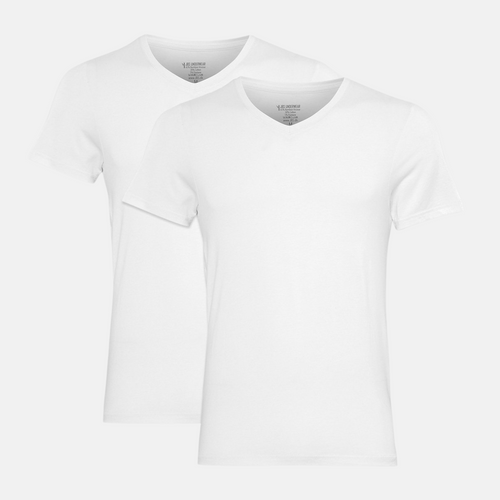
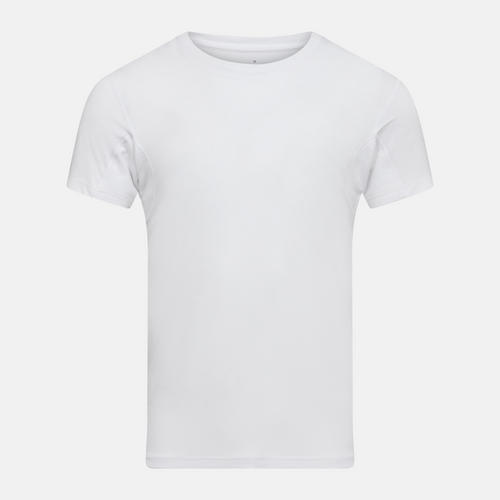
Look for the spots where a garment needs to stretch over a head or hand and then close snugly again afterward. The neckline of a t-shirt, the cuff of a sweatshirt, and the top of a sock are all typical examples of rib. See bamboo t-shirts for men. Without rib, these spots would quickly become loose and shapeless.
Rib as the whole garment
Some undershirts and tank tops are knitted entirely in rib from top to bottom. They sit close to the body and follow movement differently from how a jersey garment does. See bamboo undershirt for men and bamboo tank top for men. The whole garment's snugness in these cases comes from the knit type itself.
How rib wears out
Rib loses its ability to pull back when the elastane in the yarn breaks down from repeated heat during washing and drying. The edge then becomes wavy and no longer lies smoothly against the skin. Wash cold and avoid hot tumble drying to extend the lifespan of exactly those parts of the garment knitted in rib.
Rib and fit
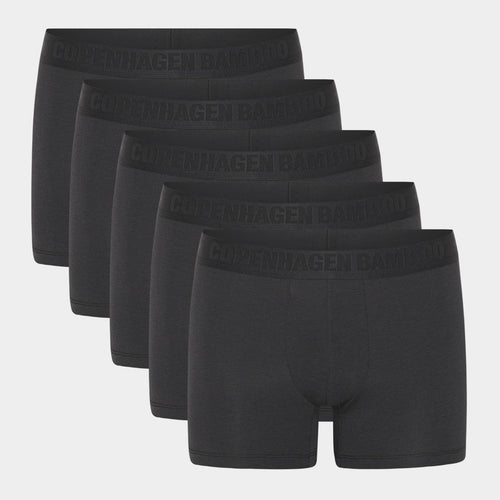
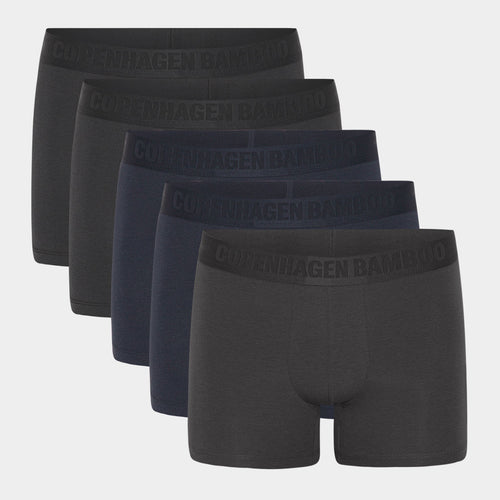
Because rib stretches so much, the same garment can often fit more body sizes than a garment without rib can. That is one reason many designers use rib at waistbands, even on garments that are otherwise loose fitting. See bamboo underwear for men. The flexible fit makes the garment more versatile in daily use.
Rib in different weights
Rib comes in several weights, from thin and fine to broad and heavy. A thin rib is typically used for light t-shirts, while a broader, heavier rib suits sock tops and sweatshirts better. The weight affects both how much the fabric stretches and how quickly it pulls back into shape after use.
Rib versus plain elastic
Some people confuse rib with plain elastic sewn into an edge, but the two solutions are different. Elastic is a separate component that gets sewn in, while rib is the actual knit that gives the fabric its stretch. Rib therefore feels more like a natural part of the fabric and less like an added detail.
Repairing rib
If a rib edge is wavy or stretched out, a tailor can sometimes sew on a new edge, provided there is enough fabric to work with. The old, stretched out rib cannot be tightened back up, however, because the damage already sits in the fibers themselves and not only in the stitching.
How to check quality
Good rib feels firm and springy the moment you stretch it, and it snaps back quickly to its original shape. If it feels slack or slow to pull back, that is a sign of a low elastane share or wear that has already happened. Test the edge before buying whenever that option is available.
Frequently asked questions
Is rib the same as elastic
No. Rib is a knit type where the fabric itself provides the stretch. Elastane is a fiber. The two are often used together in the same edge but are not the same thing.
Why does a rib edge become wavy
Because it has been stretched beyond its limit, or because the elastane in the yarn has broken down from heat during washing and drying over time.
Can a wavy rib edge be repaired
A tailor can sew on a new edge. The old, stretched out rib cannot be tightened back up, because the damage sits in the fibers themselves.
See our range of Boody underwear.