Skin that reacts to new clothes
Short answer: If your skin reacts to a new garment, the cause is most often residue from production or from detergent. Always wash new clothes before wearing them, and change one thing at a time if the itching continues.
Wash new clothes
New clothes can carry residue from production, transport and storage. That includes dye, finishing agents and dust from long journeys in boxes. A wash removes most of it, and it is the simplest thing you can do to avoid itching. Read more in should new clothes be washed before use.
Fabric softener
Softener residue sits against the skin all day and is a common cause of irritation. Softener is made to stay in the fabric, which is exactly why it can bother the skin. Many people find the itching stops when they stop using it. Clothes become soft enough without it.
Dosing
Too much detergent does not rinse out fully and stays in the fibres. This is especially true if the machine is packed full or you use a short programme. Follow the dosing on the pack and use a little less rather than more. Read more in how to dose detergent correctly.
Fragrance in detergent
Fragrance in detergent and softener is another common reason the skin reacts. The scent is meant to stay in the clothes, so it sits against your skin all day. If you often itch, try a fragrance free detergent for a while and see whether it makes a difference.
Labels and seams
A stiff label at the neck or a rough seam at the side can trigger itching on its own. The fabric is not always the problem, but the small details that rub against the skin. Cut the label off close to the seam, or choose styles without. See underwear without labels and seams.
The material
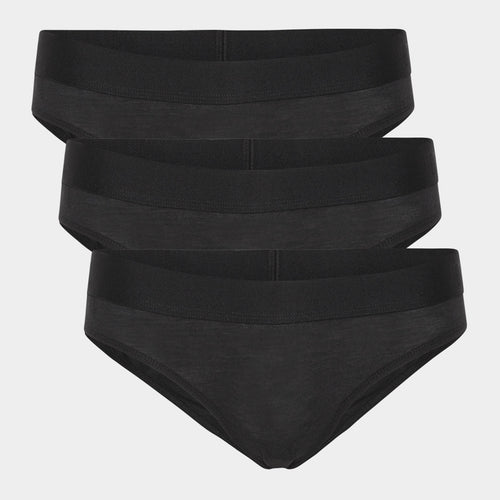
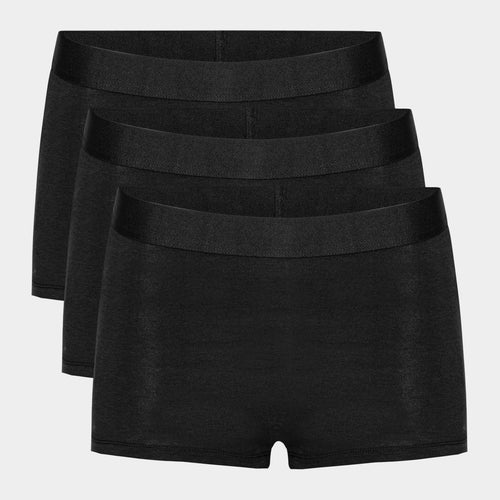
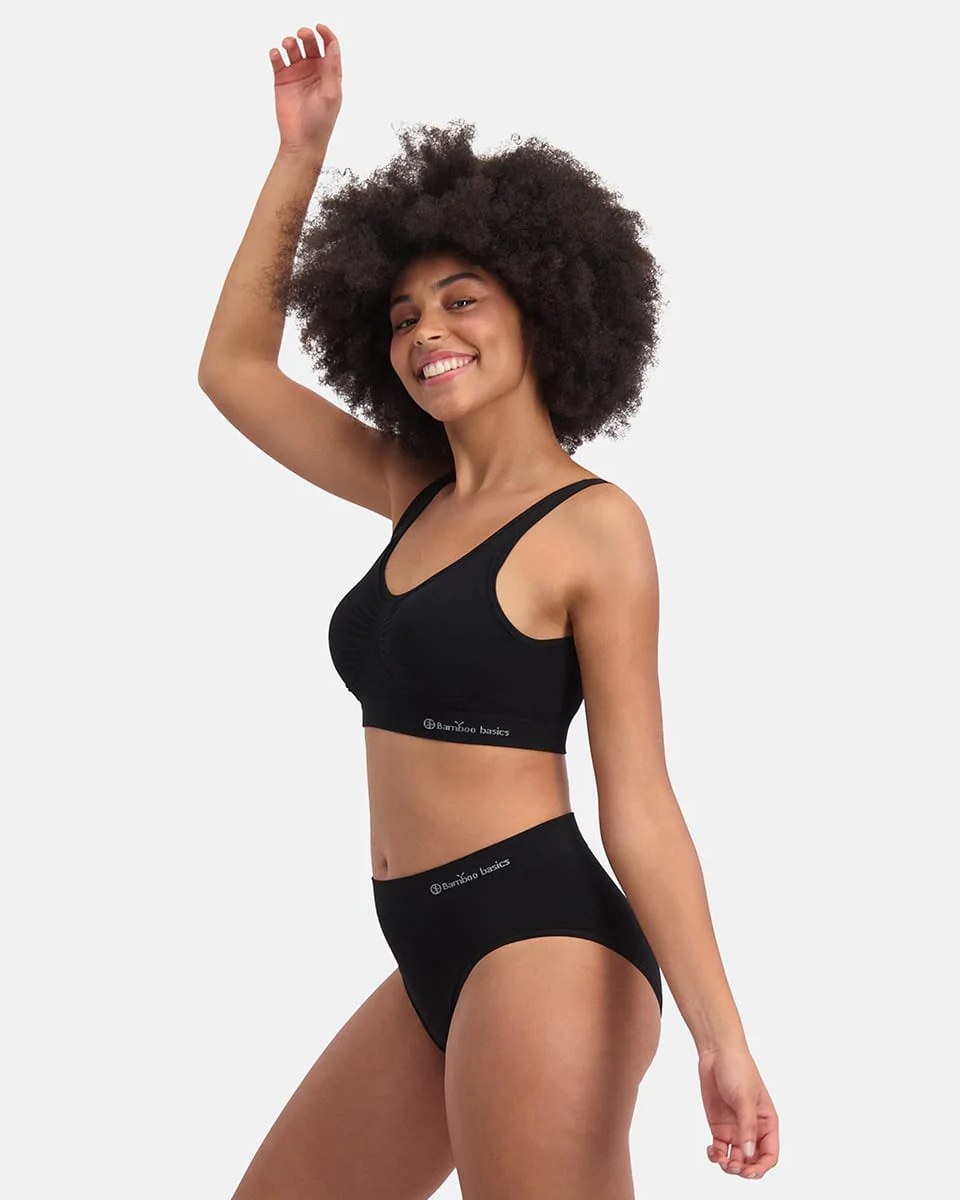
Smooth fibres scratch less than rough ones. A fabric with a soft, even surface glides over the skin instead of rubbing against it. Bamboo viscose is smooth and light and lies calmly against the skin, even when worn all day. See bamboo underwear for women.
Fit
Clothes that squeeze create more friction than clothes that sit close without pressing. Elastic that digs in can leave red marks that are easily mistaken for a reaction to the fabric. Choose a size with a little room and a style with soft edges if your skin is easily irritated.
Test one thing at a time
Change one thing at a time so you can see what works. Start with the detergent, then the softener, and finally the garment itself. If you change everything at once, you will not know what made the difference. Give each change a couple of weeks. See the washing guide.
Extra rinse
If your skin is sensitive, an extra rinse in the washing machine can help. It removes more of the residue that would otherwise stay in the fabric. Many machines have a button for it. It takes a little longer, but it is an easy way to test whether residue is the cause.
If you get a rash
If you get a rash, blisters or swelling, or the itching continues after you have changed detergent and clothes, your doctor should take a look. Some reactions have causes other than clothing, and then a proper assessment is important.
Frequently asked questions
Should new clothes be washed before use?
Yes. A wash removes residue from production, transport and storage that could otherwise cause itching. It is the simplest thing you can do before wearing a garment the first time.
Can detergent cause itching?
Yes. Residue from detergent, softener and fragrance in the fabric is a common cause. Follow the dosing and try a fragrance free detergent if you often itch.
What should I try first?
Wash without softener and with a little less detergent. If that does not help after a couple of weeks, change one more thing so you can see what works.
You can find the full range at Bamboo-Clothing.com.