Soft clothes during chemotherapy
Short answer: During chemotherapy the skin often becomes dry and more sensitive, and many people switch between feeling cold and hot several times a day. Soft clothing without rough seams and with good moisture transport is therefore what gets worn most.
No hard edges
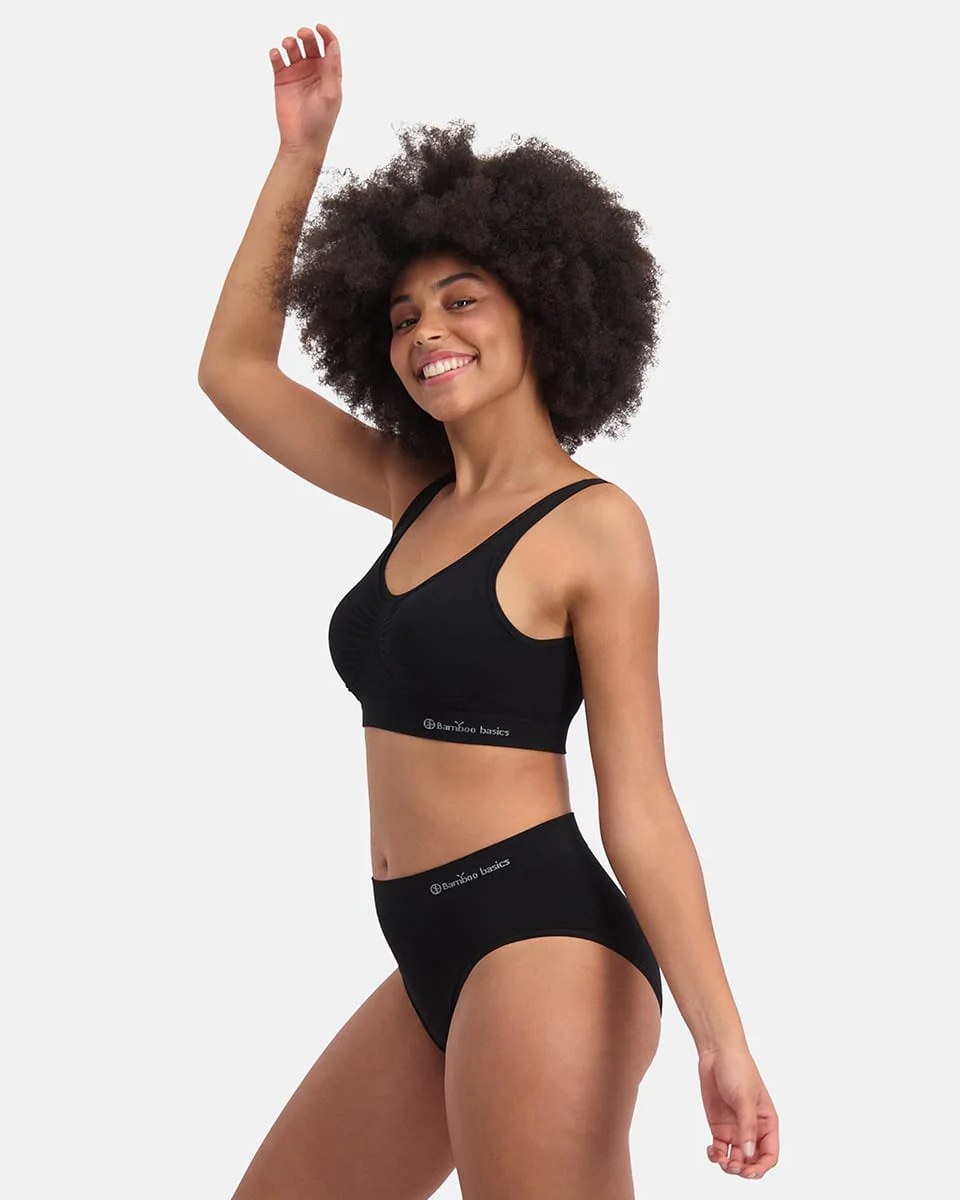
Labels, thick seams and tight elastic are felt more clearly when the skin is delicate. Look for flat seams and labels printed straight onto the fabric instead of sewn in. Never cut a label off close to the seam, as the sharp remnant often bothers more. See underwear without labels and seams.
Layers instead of one thick piece
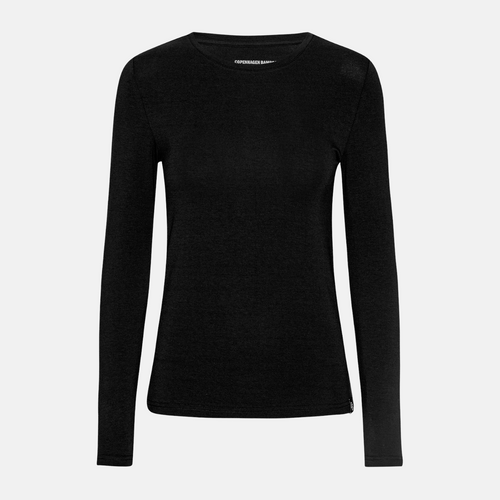
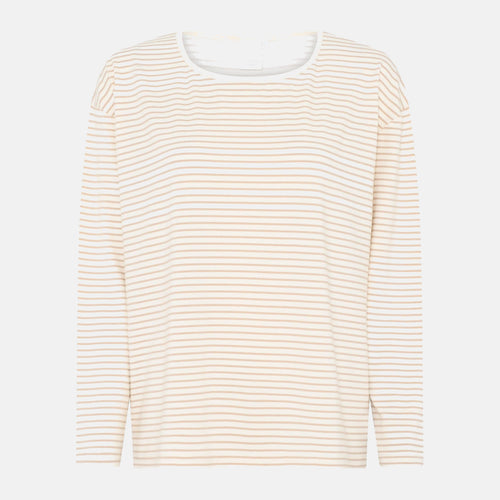
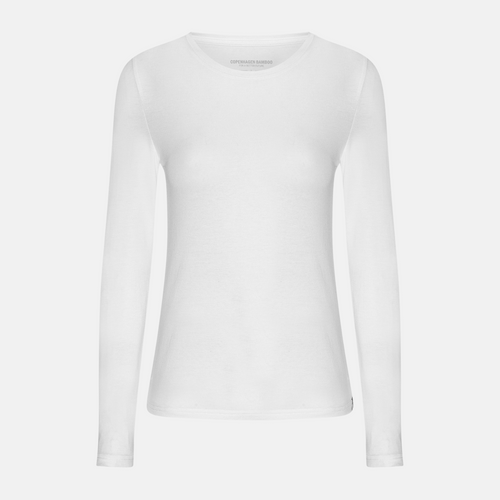
If your body temperature shifts during the day, several thin layers are easier to adjust than one thick jumper. A thin long sleeved inner layer can be worn alone when it is warm and under a jumper when you feel cold. See bamboo long sleeve t-shirt for women.
Loungewear
A lot of time is spent at home during treatment, and one set that works all day matters more than many different pieces. Choose trousers with a soft waist and a top that does not pull across the stomach. See bamboo loungewear for women for sets that can be mixed.
At night
If you sweat at night, a fabric that absorbs moisture and moves it away from the skin helps. You are then less likely to wake up in damp clothes. Choose a loose style that does not cling, and keep a spare set by the bed. See bamboo nightwear for women for soft styles.
For hospital visits
A bag with a change of clothes that is easy to take on and off makes visits simpler. Pack a soft jumper, loose trousers and socks that do not squeeze, so you can change without effort. More advice on what is worth bringing is in the hospital bag.
Wash without perfume
Wash without fabric softener and ideally with a mild, unscented detergent, so no fragrance is left in the fabric. Add an extra rinse if your skin is very sensitive. Let the clothes air dry so the elastic lasts longer. All tips on temperature and drying are in the washing guide.
Loose sleeves and necklines
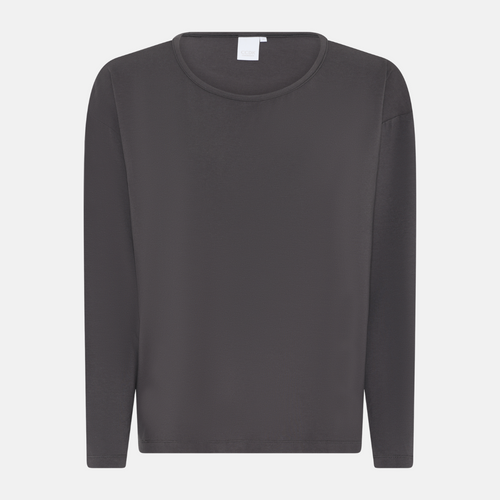
If you have a line or a drip in your arm, wide sleeves and a loose neckline are easier to take on and off. A top with a little extra room across the shoulder also helps when you are tired. The fabric should be soft enough not to rub against plasters and dressings.
Head and neck
Many become more sensitive on the scalp and neck during treatment. A soft scarf or a thin hat in a smooth material can feel better than wool. Think about the pillowcase too, since it lies against your head all night. A smooth fabric rubs less than a coarse cotton.
A few pieces that get used
It is tempting to buy a lot at once, but a few pieces that are really worn are better than a full drawer. Start with nightwear and one set of loungewear, and see what you miss. The body and skin can change along the way, so it is wise to wait with the rest.
Ask your treatment team
Clothing can make everyday life more comfortable, but it does not treat skin problems. If you have a rash, sores or itching that does not go away, ask your treatment team or your doctor. They know your treatment and can advise on skin care that suits your situation.
Frequently asked questions
What clothing is best during chemotherapy?
Soft clothing without rough seams, in a fabric that moves moisture away from the skin. Several thin layers are easier to adjust than one thick piece when your temperature changes during the day.
How should the clothes be washed?
Use a mild, unscented detergent, skip fabric softener and add an extra rinse if needed. That leaves fewer residues in fabric that lies against the skin all day and all night.
Can clothing help with skin problems?
Clothing does not treat skin problems, but soft clothes without hard edges can make everyday life more comfortable. If symptoms do not go away, talk to your treatment team or your doctor.
You can find the full range at Bamboo-Clothing.com.