Stitches per centimetre and what the number tells you
Short answer: The number of stitches per centimetre tells you how densely the seam is sewn. More stitches spread the pull across more points, but can also perforate a thin fabric. The right number therefore depends on the fabric, not simply on more being better.
Dense or open stitching
A typical seam in knitwear has between three and five stitches per centimetre. Thicker fabric and heavier thread push the number down, while thin fabric pushes it up. The number is not a measure of quality in itself, but a sign of how the seam is matched to the fabric it has to hold together.
Why more stitches can help
With many stitches, each one carries less, and a single break opens only a small stretch of the seam. That makes the seam more forgiving when it is loaded in daily use. The force is spread across more points, so no single thread carries the pull alone. See bamboo sweatpants for women.
Why more stitches can harm
Every needle stitch is a small hole in the fabric. If the holes are set too close in a thin fabric, they stand like a perforation, much like the holes between stamps, and the fabric can tear along the seam. That is an important reason more stitches are not always better, especially in fine, light fabric.
Fabric thickness decides the number
A thick fabric can take longer stitches and heavier thread, because there is more material for the thread to grip. A thin fabric needs denser and finer stitches, but also a thin needle, so the holes stay small. For the number to be right, fabric, thread and needle must be chosen together.
The thread influences the number
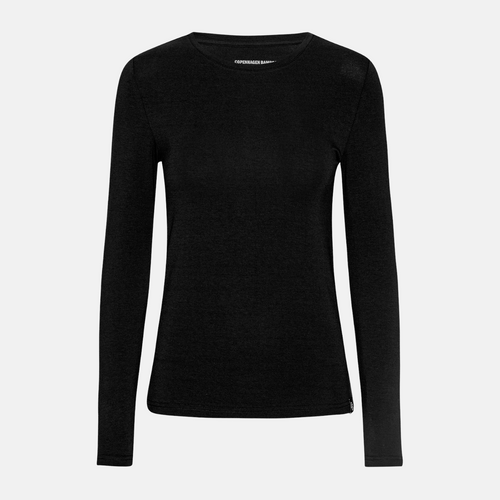
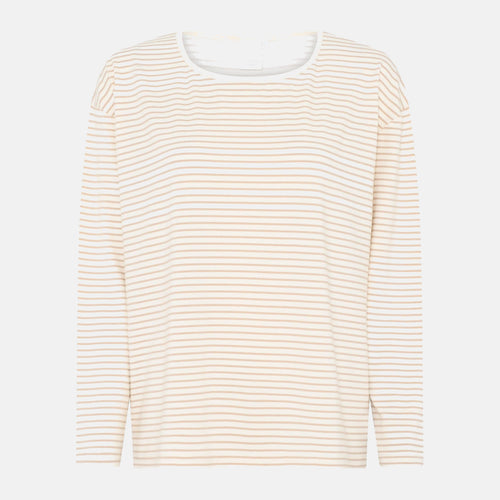
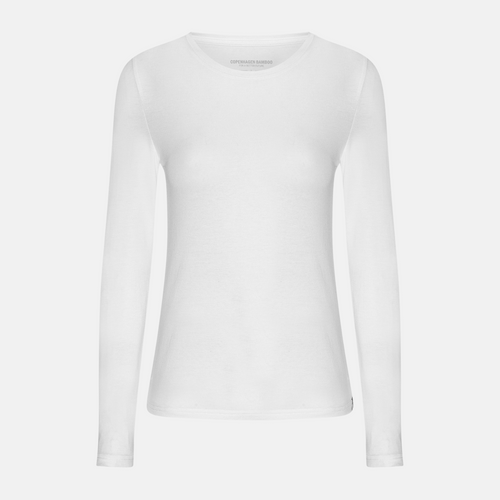
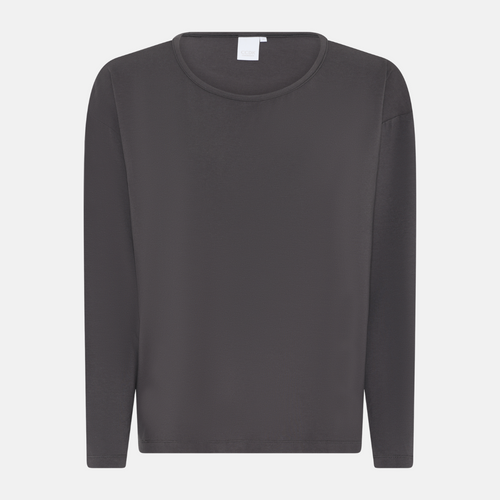
A heavy thread fills more of each puncture and needs a longer gap between stitches. A thin thread can be set closer without overloading the fabric. Looking at stitch count alone is therefore not enough, because thread and needle are just as much part of the sum when you judge a seam. See women's long sleeved bamboo t-shirt and period underwear.
How to count yourself
You can count stitches at home without special equipment. Lay a ruler along the seam and count how many stitches fall within one centimetre. Repeat it in a few places, because the number can vary a little. If the stitches differ a lot in length, the seam has been sewn unevenly.
More stitches is not always better quality
Many people think a high number signals good quality, but that holds only up to a point. If the number is too high for the fabric, the fabric is weakened rather than strengthened. The right number suits the fabric and lets the seam move with it.
What to use at home
If you repair a seam in knitwear yourself, three to four stitches per centimetre suit most jobs. Use a thin jersey needle and a thread that matches the fabric thickness, and do not pull too hard, so the seam can follow the stretch of the fabric. Test on an offcut first if you are unsure.
It is the balance that counts
A good result needs stitch density, thread, needle and fabric to fit together. It is rarely a single number that decides whether a seam holds, but the interplay of all four. If you know these factors and weigh them all, you are far better placed to judge a seam and repair it properly.
Frequently asked questions
Can I count the stitches myself?
Yes. Lay a ruler along the seam and count how many stitches fall within one centimetre, and repeat it in a few places for a reliable picture.
Are more stitches a sign of better quality?
Only up to a point. The right number depends on the fabric, and too many stitches in a thin fabric can weaken it rather than strengthen the seam.
What do people use at home?
Three to four stitches per centimetre suit most repairs in knitwear, but always use a thin needle and a thread that matches the fabric thickness.
You can find the full range at Bamboo-Clothing.com.