Stripe direction and how stripes are matched at the seam
Short answer: Stripes in knitwear always run across, because the machine knits row by row and each row can get its own colour. Whether the stripes meet at the side seam depends on how carefully the pieces are laid out, and matching them costs fabric.
Why stripes are horizontal
Each row of stitches can have its own colour. A vertical stripe would require the colour to change inside the row, and that is slow and expensive. That is why cross stripes are the standard in knitwear, while vertical stripes are usually printed or woven. The width of a stripe depends on how many rows are knitted in one colour.
How a stripe is knitted
The machine knits with one yarn at a time. When the stripe changes colour, the machine switches to a new yarn and carries on row by row. The width of the stripe decides how many rows are knitted in each colour. It is a simple way of bringing colour into knitwear.
Width and spacing
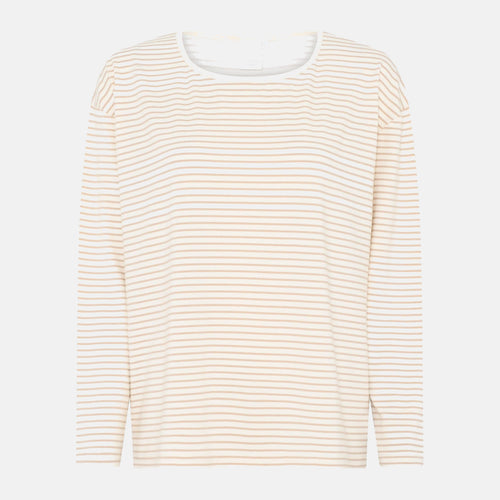
Narrow stripes look calm and from a distance almost like a plain surface, while wide stripes give a clearer look. Width also decides how much a shift at the seam shows. With narrow stripes a small deviation is easier to overlook than with wide ones.
Matching costs fabric
For the stripes to meet at the seam, each piece must be cut at the same point in the pattern. That creates waste, because the template cannot be packed tightly. The wider the stripes, the more it shows when they do not line up. See bamboo jogging suit for women.
Why striped pieces cost more
Both because of more yarn colours and because of waste in cutting. Each colour must be bought, stored and loaded into the machine, and the machine must change yarn along the way. When seam matching is added, fabric use rises. That is not a bad thing, only an explanation of why striped often costs a little more.
What you can check yourself
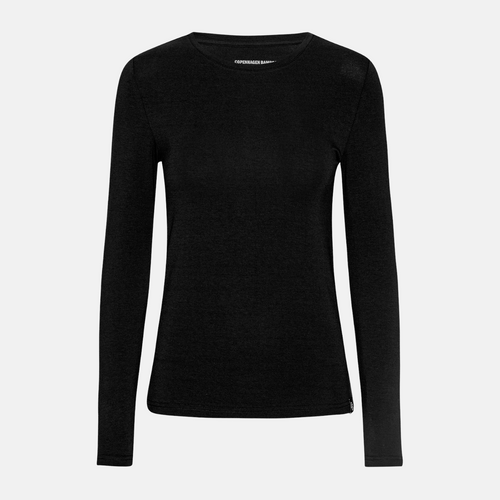
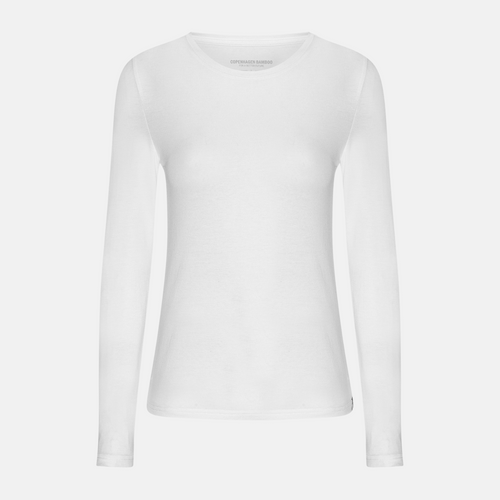
Hold the piece up and see whether the stripes line up at the side seam and armhole. It is one of the quickest signs of how carefully a garment is made. Also look at whether the stripes on the sleeve continue from the body or jump. See bamboo tops for women.
Must stripes always meet
Not always at the sleeve, but at the side seam it is expected on better garments. At the armhole matching is difficult, because the sleeve is cut in a different shape from the body. A small shift is therefore more common there than at the side seam. Think about what you value yourself when you choose.
Why stripes go crooked
Stripes can go crooked after washing if the fabric twists. You see it as stripes that run slightly downward. Twisting comes from tension in the yarn and the knit, and it only shows once the fabric has been wet. Check the stripes after the first wash and see whether they still lie straight.
How to choose and care for stripes
Choose a striped piece where the stripes line up and lie straight after washing. Wash inside out and let it dry flat or hanging so it is not pulled crooked. See also the women's long-sleeved bamboo T-shirt and choose by what you will use it for.
Frequently asked questions
Must stripes always meet
Not always at the sleeve, but at the side seam it is expected on better garments. At the armhole it is harder, because the pieces have different shapes.
Why are striped pieces more expensive
Both because of more yarn colours and because of waste in cutting, where the pieces are matched so the stripes meet.
Can stripes go crooked after washing
Yes, if the fabric twists. You see it as stripes running slightly downward. Check the stripes after the first wash.
You can find the full range at Bamboo-Clothing.com.