Sweat at night and where it ends up
Short answer: The body sweats while you sleep too, and the sweat has to pass through the sleepwear, the sheet and the duvet. If it cannot move on, you wake up damp and chilly. So the layers in the bed together decide whether the night feels dry.
The body regulates during sleep
Body temperature falls early in the night and rises toward morning. Sweat production follows and is typically greatest in the first hours after falling asleep. That is a normal part of how the body regulates itself, so it is not the sweat itself but where it ends up that decides how well you sleep.
Sleepwear is the first layer
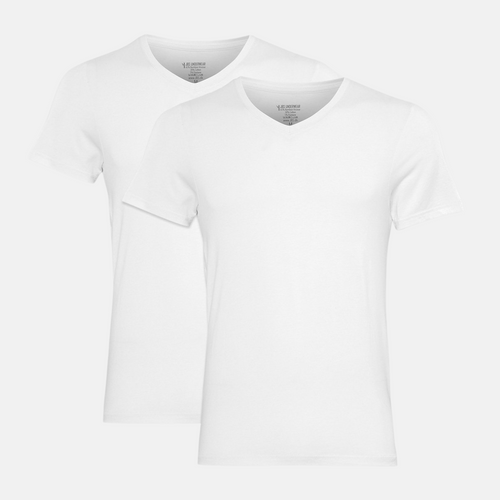
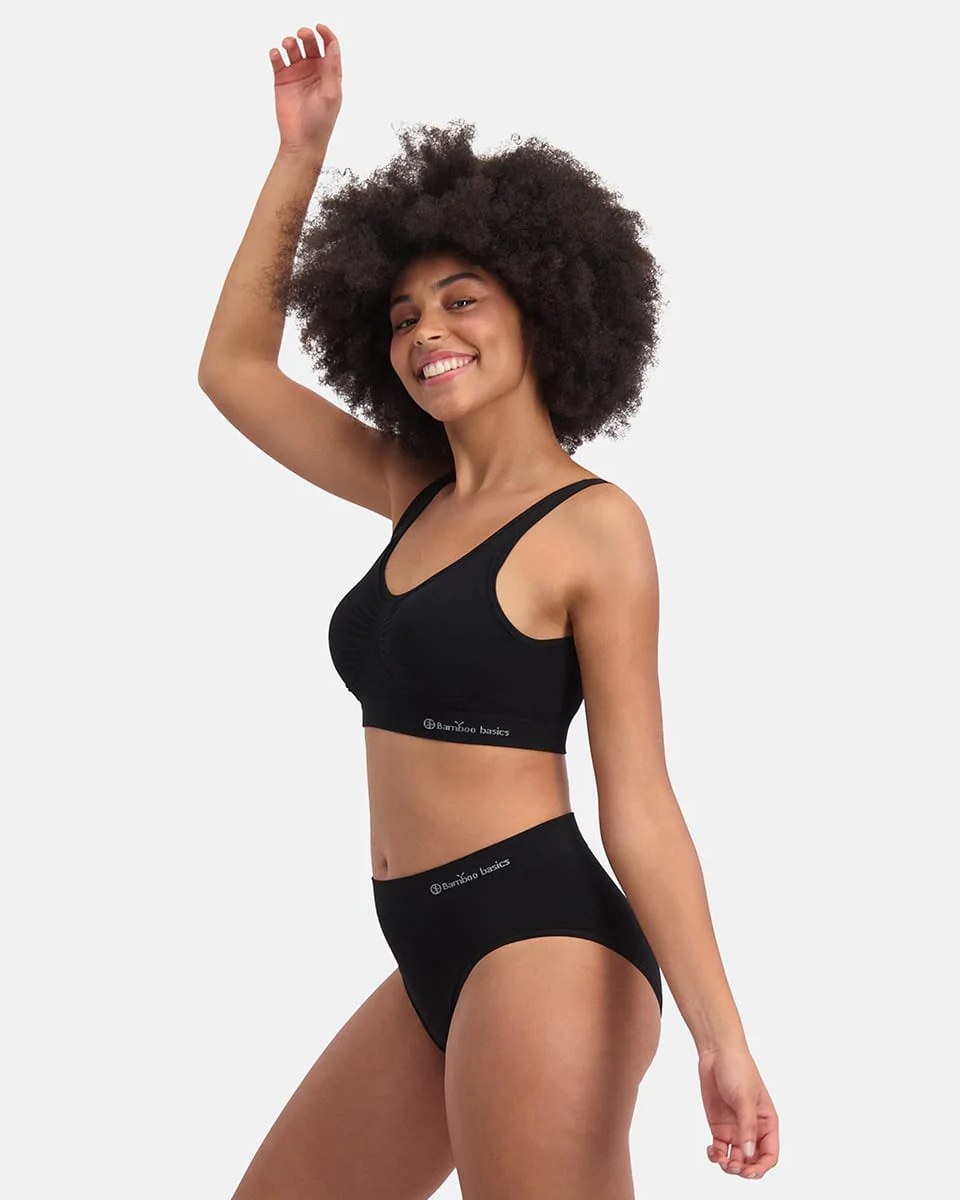
A thin set that can absorb and move moisture keeps the skin dry without adding heat. That is why sleepwear rarely needs to be thick. See sleepwear, with tops and bottoms in soft materials that suit the bedroom temperature and how much you sweat at night.
The sheet takes the rest
What you are not wearing goes into the sheet. A sheet that absorbs well can make the difference between a good night and a clammy one. Change the sheet at regular intervals and let the bed air in the morning so the moisture can evaporate. A sheet that never dries keeps moisture close to the body.
The duvet and the room
The duvet has to be able to release heat when you get too warm. If it is thick and dense, it traps heat and encourages sweat. Room temperature matters just as much. A cooler bedroom gives many people a calmer night than a warm room with a thick duvet, and it costs only an open window.
Night pants and night T-shirt
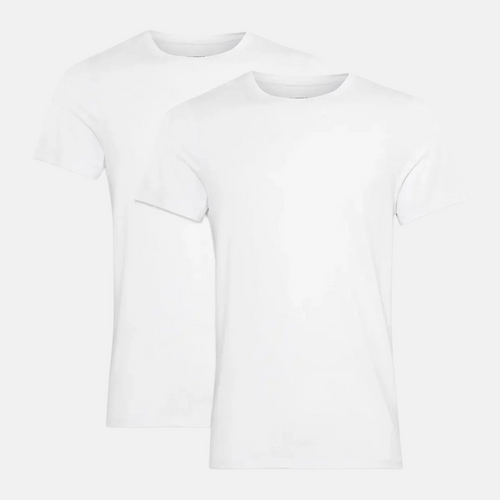
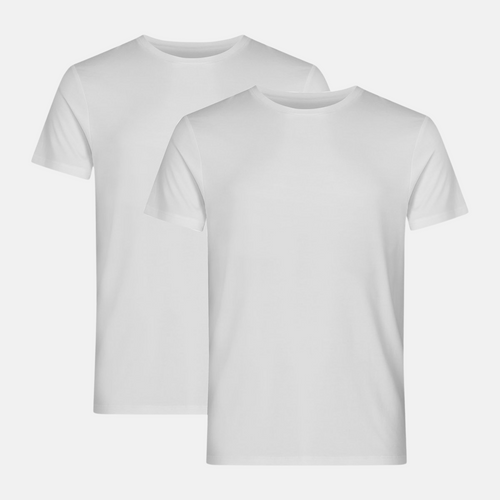
If you want a thin set, you can split it up and choose what to wear. See night pants for men and night T-shirts for men. A T-shirt and light pants cover most of the body without holding the heat in, as a thick pajama can.
Why do I wake up sweaty in the night
Body temperature starts to rise again after the first hours of sleep, often along with a duvet that is too warm. The sweat comes while you sleep lightly, and you may wake from it. Pull the duvet back a little or turn it over and lie down again. The temperature usually falls quickly, and you can sleep on.
Does it help to sleep without clothes
For some, yes, but then the sheet has to handle all the moisture alone. There is no layer between skin and sheet to absorb and move sweat. That can leave a damp sheet that does not dry before the next night. A thin set takes some of the moisture before it reaches the sheet.
Thick is not the same as warm and dry
A thick set holds on to heat and can make you sweat more. A thin set that moves moisture gives the skin some peace. That goes for both top and bottoms. Choose a thin layer and a duvet you can adjust rather than a thick set that keeps everything in.
What you can adjust
Lower the room temperature, use a thinner duvet and a layer that can move moisture. Air the bed every morning and wash the sheet regularly. If you sweat heavily for no obvious reason, or it changes suddenly, talk to your doctor. Ordinary night sweat is common and mostly comes down to heat and moisture in the bed.
Frequently asked questions
Why do I wake up sweaty at three
Because body temperature starts to rise again, often together with a duvet that is too warm. Pull the duvet back a little and consider a thinner layer for the next nights.
Does it help to sleep without clothes
For some, yes, but then the sheet must handle all the moisture alone. A thin set takes some of it before it reaches the sheet, so the sheet can dry better between nights.
What can I do about night sweats
Lower the room temperature, use a thinner duvet and a layer that can move moisture. If the sweating is heavy or suddenly new, talk to your doctor.
You can find the full range at Bamboo-Clothing.com.