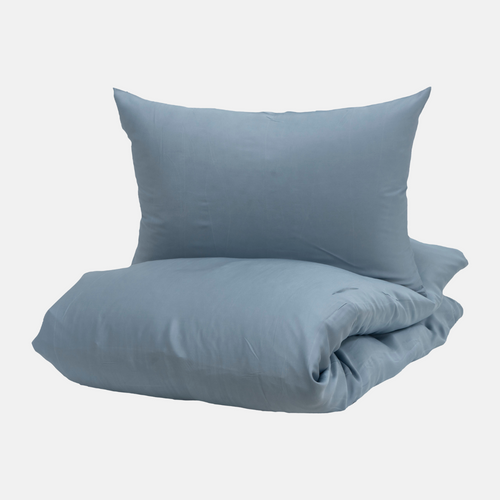
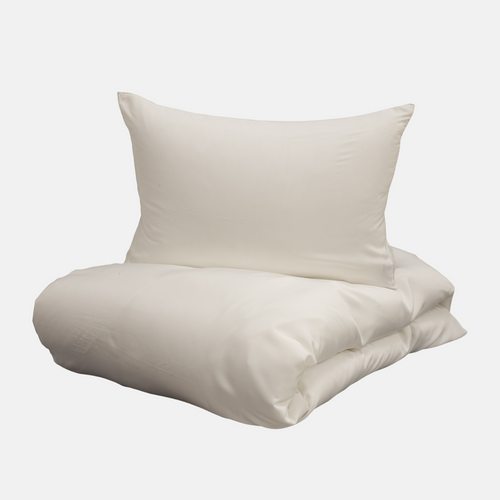
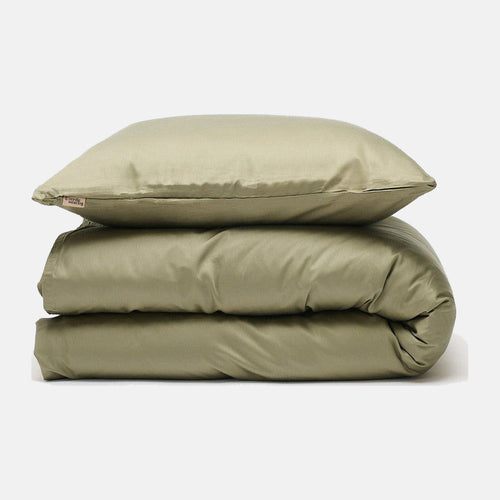
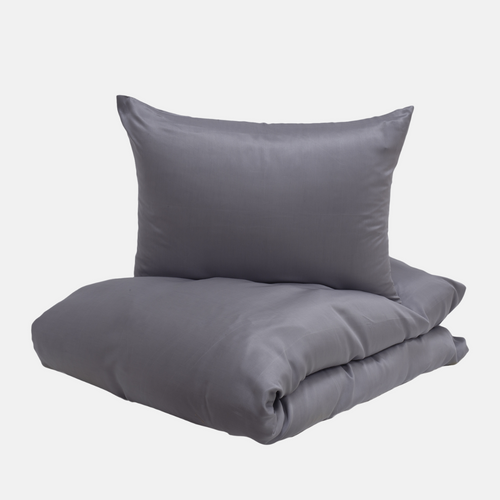
The best bamboo bedding and what to look for in the weave
Short answer: The weave matters more than the thread count. Percale gives a cool, smooth surface, while sateen gives a softer and heavier feel. Choose based on whether you sleep warm or cold, and measure your duvet before you buy.
Percale versus sateen
Percale is a tight, even weave that feels cool and slightly crisp against the skin. Sateen has a smoother, heavier surface that feels warmer and drapes more softly over the duvet. If you sleep warm, percale is almost always right. If you feel the cold, sateen may suit you better. Browse bamboo bedding.
Thread count says less than you think
Thread count tells you how many threads there are in a square inch of fabric. Beyond a certain point, more threads make the fabric heavier rather than better, and it can breathe less. The quality of the fibre and the weave matter more for how it feels to lie in. Do not be guided by a high number alone.
How to feel the difference
Hold the fabric up to the light and rub it between your fingers. Percale feels dry and matte, sateen smooth and slightly glossy. Lay your hand flat on the fabric for a moment. If it feels cool, it will probably feel cool at night too. That simple test often tells you more than the numbers on the pack.
The duvet size decides the rest
A cover that is too big folds in on itself and gets cold at the edges. One that is too small pulls at the corners and bunches the duvet. Measure the duvet before you buy, not the bed. There are dedicated sizes for single bedding 140x200, which fits the most common duvet for one person.
Pillowcases and sheets
The pillowcase is the part closest to your face, so this is where you notice the weave most. If you choose percale for the duvet cover, it makes sense to pick the same weave for the pillowcase. A sheet that fits tightly around the mattress leaves fewer creases. Check the mattress depth before choosing a fitted sheet.
Through the seasons
In summer, a light weave and a thin duvet are the best combination. In winter, you can keep the same bedding and switch to a warmer duvet instead. Many keep two sets in rotation, so one is clean while the other is in the wash, which also keeps both looking good for longer.
Wash from day one
Wash your bedding before you use it for the first time. It removes residue from production and makes the fabric softer straight away. Wash at 40 degrees, skip fabric softener and tumble dry on low or hang it up. The full method is in washing and care.
Storage
Fold clean bedding only when it is completely dry, and store it somewhere dry and dark. Damp in the cupboard gives a musty smell, and sunlight can fade the colours over time. Many tuck the whole set inside one of the pillowcases, so everything stays together.
In short
Choose the weave by how you sleep: percale if you sleep warm, sateen if you feel the cold. Do not chase a high thread count. Measure the duvet and choose the right size, wash the bedding before first use and leave out the softener. It will then stay soft and comfortable for a long time.
Frequently asked questions
What is percale?
A tight weave where the thread passes alternately over and under. It feels cool, dry and slightly crisp, and it is a good choice if you sleep warm at night.
Is a higher thread count better?
Not necessarily. Beyond a certain point the fabric gets heavier rather than better. The quality of the fibres and the weave matter more for how the bedding feels.
Should new bedding be washed before use?
Yes. A wash before first use removes residue from production and makes the fabric softer. Wash at 40 degrees without fabric softener.
See our range of Nordic Weaving bedding.