The myth that synthetic sportswear is always best for exercise
Short answer: Synthetic sportswear dries quickly and is hard wearing, but it is not always the best choice. For gentle training, yoga and everyday movement, soft fibres such as bamboo viscose can be comfortable, and the right choice depends on the activity.
What synthetic sportswear is good for
Polyester and polyamide are strong fibres that absorb very little water. Sweat is carried to the surface and evaporates quickly, so the clothing dries fast. That is an advantage for running, cycling and hard training, where you sweat a lot and the clothes need to survive many washes. Synthetic garments also hold their shape well and stay light even when wet, which suits demanding sessions.
Where synthetics fall short
Synthetic fibres can hold on to odour, because oils from the skin bind to them. Some people also find the fabric feels clammy during gentle activity, when they sweat a little but not enough for the garment to become soaked. Synthetic clothing can also build up static. These are not faults in the material, but properties that suit some activities better than others, depending on how you move and sweat.
Soft fibres for gentle training
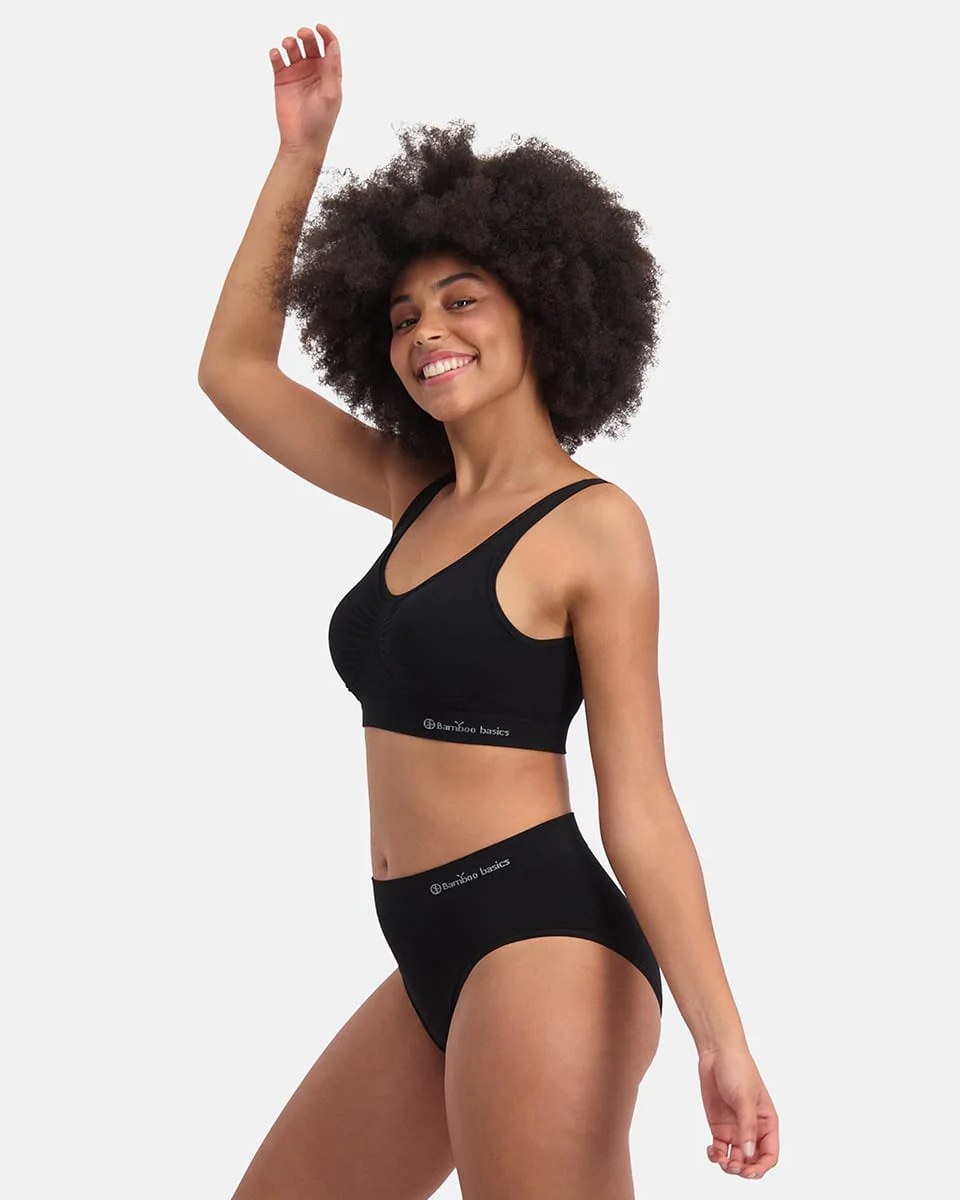
For yoga, pilates, walking and light strength training, comfort is often more important than quick drying. Bamboo viscose is soft, smooth and absorbs moisture well, so it feels pleasant against the skin. It dries more slowly than polyester, but during moderate activity that is rarely a problem. Underwear such as bamboo panties can be a comfortable layer beneath your training clothes on calmer days.
Socks matter a great deal
Feet sweat a lot during exercise, and socks take heavy wear. Many sports socks are fibre blends, where synthetic parts give strength and soft fibres give comfort. Bamboo tennis socks for women are one example of socks for active use, where softness and moisture absorption are the focus. Choose socks that fit well, so they do not slip down inside the shoe and cause blisters during a session.
Choose according to the activity
Think about how much you sweat, how long you train and what the weather is like. For long, hard sessions in the heat, a quick drying fabric is practical. For calm training indoors, a soft fibre may feel nicer. Many people combine the two: a synthetic outer layer and a soft layer next to the skin. There is no single material that is best for every kind of exercise in every season.
Caring for training clothes
Wash training clothes soon after use, so sweat does not have time to set in. Turn them inside out, use a low temperature and skip fabric softener, since it can seal the surface of the fibres. Let everything dry completely before folding it away. This applies to synthetics as well as to all bamboo socks for women, which last longer with this simple routine in place.
Frequently asked questions
Can you run in bamboo clothing
Yes, especially on shorter runs and in cool weather. On long runs in the heat, synthetic fabrics dry faster.
Why does synthetic sportswear smell
Oils from the skin bind to the fibres. Wash soon after use and inside out.
Is a blended fabric a good compromise
Often yes. A blend can combine strength, quick drying and a soft surface.
You can find the full range at Bamboo-Clothing.com.