The water content of yarn and why it is measured
Short answer: Viscose holds on to water from the air, and the water adds weight. That is why yarn is measured and settled by an agreed moisture percentage, not by whatever weight it happens to have on the day it is weighed.
The fibre draws in water
Viscose can absorb around eleven percent of its own weight in water without feeling wet. The amount varies with the humidity of the room, so the same yarn weighs slightly more on a damp day and slightly less on a dry one. It is a natural property of fibres made from plant cellulose.
Why a fixed percentage is agreed
Yarn is traded at a standard moisture level, so buyer and seller calculate on the same basis. Otherwise a damp day would make the batch more expensive and a dry day would make it cheaper. With an agreed percentage, weight becomes comparable from batch to batch. That includes yarn that ends up in bamboo socks for women.
How moisture is measured
A small sample of the yarn is taken and weighed. The sample is then dried until all moisture is gone and weighed again. The difference shows how much water the yarn held. The calculation converts the weight to what the yarn would weigh at the agreed moisture level, so everyone gets the same settlement.
What it means for your clothes
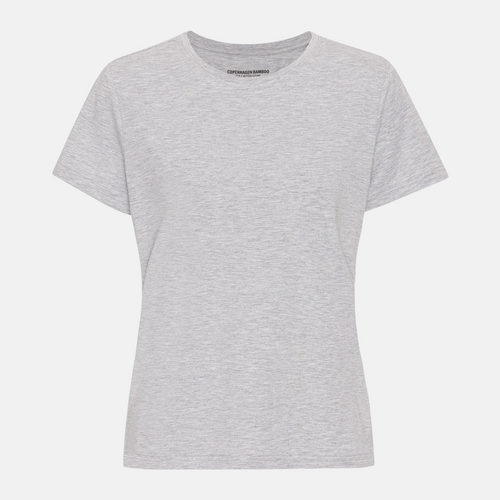
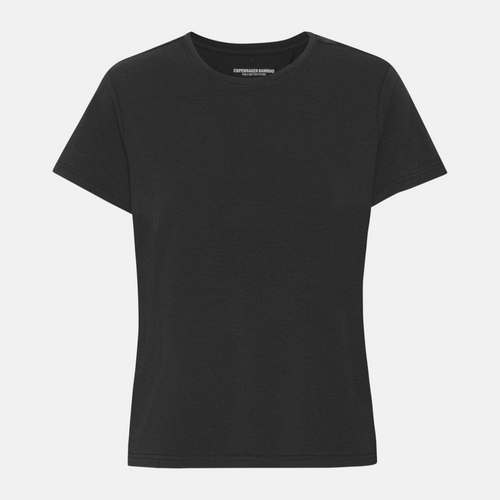
The same thing happens in your wardrobe. A garment weighs slightly more on a humid summer day than on a dry winter day, which is one reason the fabric can feel different from day to day. The difference is small but noticeable to the hands. Try bamboo tops for women and feel how the fabric sits.
Why the fabric feels dry
The water sits inside the fibre and not on the surface. That is why the fabric feels dry even though it holds moisture. So you carry small amounts of water in your clothes all the time without noticing. It is normal and has nothing to do with whether the garment has been washed.
Cotton has the same property
Cotton also takes up moisture from the air, but less than viscose, around eight percent of its weight. The difference is one reason viscose feels different against the skin and can seem softer. Both fibres react to the weather, which is why summer and winter garments can feel so different.
Moisture and drying time
Because viscose fibres hold water, they take time to dry fully after washing. Hang clothes with air around them so the moisture can leave the fibres evenly. Avoid folding them before they are completely dry. It makes a small difference to how the fabric feels the next time you put it on.
Storage in the wardrobe
Since the fibres take moisture from the air, a dry and airy wardrobe is best. Let clothes lie loosely and avoid pushing them into closed plastic bags. That way they can exchange moisture with the room without turning stale. This also applies to bamboo T-shirt for women, which often lie folded for a long time.
Using this in everyday life
You do not need to do anything special because of moisture. Once you know the fabric reacts to the air, you understand why it can feel a little heavier on a damp day. Let clothes dry completely, store them airy, and do not worry about small differences. It is part of how plant fibres behave.
Frequently asked questions
Does this mean I carry water in my clothes
Yes, in small amounts all the time. It is normal for plant cellulose fibres and cannot be felt, because the water sits inside the fibre itself.
Why does the fabric feel so dry
Because the water sits inside the fibre and not on the surface. That is why the fabric can hold moisture without feeling damp when you put it on.
Does cotton have the same property
Yes, but cotton takes up less, around eight percent of its weight against around eleven percent for viscose. Both react to the humidity of the room.
You can find the full range at Bamboo-Clothing.com.