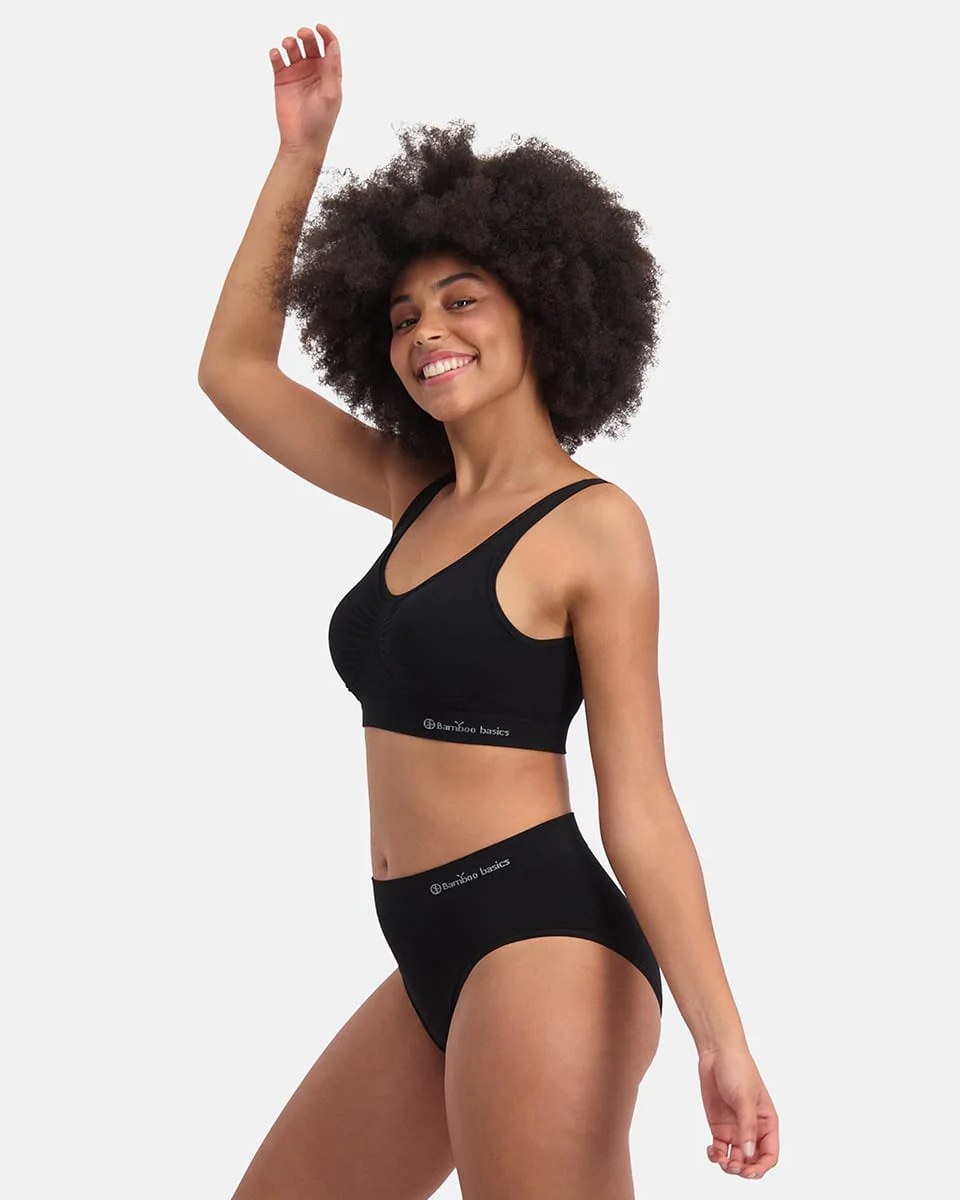
Thin against thick fabric in the same garment
Short answer: Thin fabric is cooler and dries faster, while thick fabric holds its shape, covers better and lasts longer. The weight in grams per square metre tells you which one you have. Knowing the difference helps you choose for the season and for how you use the garment.
What thin fabric gives
Thin fabric gives cooling, quick drying and low weight. It lets air through, which is why it feels cool on a warm day. It is also easy to pack and carry. On the other hand, things show through it, and that can matter if you want a garment that covers fully and sits calmly.
What thick fabric gives
Thick fabric gives coverage, shape stability and a longer life. It can be worn without anything showing through, and it keeps the neckline and seams in place for many more washes than a thin fabric. It is warmer and dries more slowly, so it suits cooler days and pieces you wear often.
What the weight tells you
Fabric weight is measured in grams per square metre and tells you how dense and heavy the fabric is. A high number means thicker fabric, a low number thinner. The number is not always in the product description, but it is one of the most useful details when you want to know how a piece feels and behaves.
Summer and light days
As a rule of thumb, under 140 grams belongs to summer, when you want air and quick drying. Thin fabric is an advantage here, especially when you move a lot or sit still in the heat. Think of bamboo shorts for women, where a light fabric makes the biggest difference on the hottest days.
Cooler days
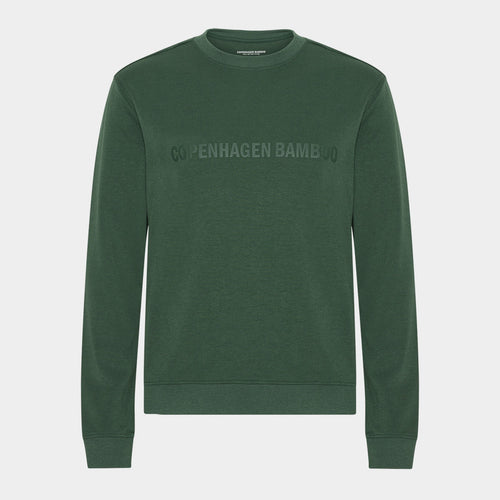
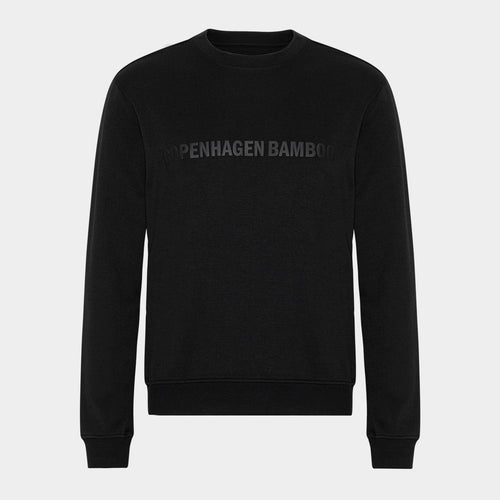
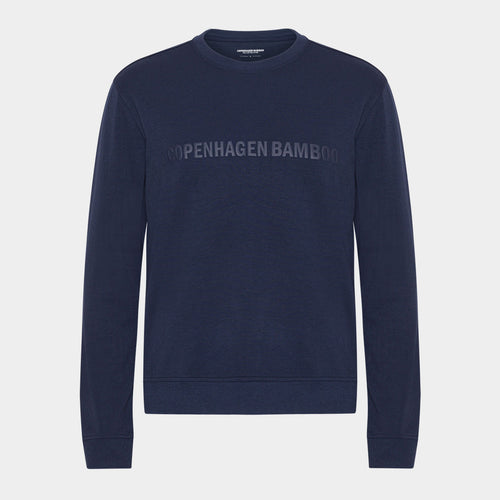
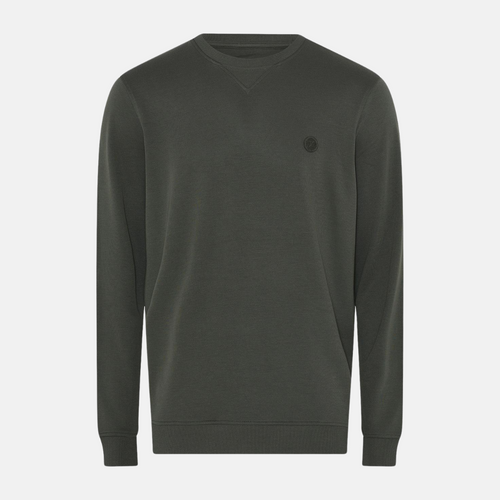
Over 180 grams suits the rest of the year, when you want warmth, coverage and a fabric that handles heavy use. Thick fabric works well for jumpers, where the shape should be kept. That goes for a bamboo sweatshirt for men and bamboo hoodies for women that you wear often.
Coverage and see-through
A thin fabric can turn see-through, especially in light colours and when stretched over the body. Hold the garment up to the light before you head out if you are unsure. A thicker fabric covers better and needs no thought, and that is often the safe choice for light coloured pieces.
Lifespan and shape
Heavier fabric usually lasts longer, because there is more material to wear down. It also keeps the neckline and seams in place after many washes, where a thin fabric turns loose more easily. Thick is not automatically better quality, but for pieces you wear every week, weight is a good sign.
Washing and drying
Thin fabric dries fast and is easy to carry, but it tolerates less wear, so wash it gently and follow the care label. Thick fabric dries more slowly and needs more room on the drying rack, but it keeps its shape well. Avoid letting thick pieces hang heavy and wet on a line.
How to choose
Think about when and how the garment will be worn. For hot days and travel choose thin, and for cooler months and pieces you wear often choose thick. If you are unsure, ask the shop about the weight, or hold the fabric up to the light to see how much comes through.
Frequently asked questions
Where is the weight listed
It is in the product description at some shops, but not all. If you cannot find the number, ask the shop directly before you buy, because the weight says a lot about how the fabric feels and behaves.
Is thick always better quality
Not in itself, but heavier fabric usually lasts longer, because there is more material to wear down. On warm days a thin fabric can be the better choice, even if it does not last quite as long.
Can you see through a thin garment
Yes, it can happen, especially in light colours and when the fabric is stretched over the body. Hold the garment up to the light before you go out, and you can see how much comes through.
You can find the full range at Bamboo-Clothing.com.