Wool Cycle or Delicate Wash – Which Do You Choose for Bamboo?
Short answer: Both programmes can be used for bamboo, but the delicate cycle is usually the best choice. The very low temperature and minimal movement of the wool cycle are gentle but clean less effectively. A delicate wash at 30 to 40 degrees combines gentle handling with proper cleaning of clothes worn close to the skin.
What does the wool cycle do?
The wool cycle washes cold or at 30 degrees with very little movement and a low spin. It is designed this way because wool felts when exposed to mechanical stress and heat. The programme is therefore very gentle, but it also uses less movement to work dirt and sweat out of the fabric.
What does the delicate cycle do?
The delicate cycle usually washes at 30 to 40 degrees with more water than the normal programme and moderate movement. The extra water cushions the friction between garments, so the fabric is protected. At the same time there is enough movement for the detergent to work through the clothes and clean them.
Bamboo does not felt like wool
Bamboo viscose is a cellulose fibre and does not felt the way wool does. It therefore does not need the extreme caution of the wool cycle. The extra cleaning power of the delicate cycle is usually an advantage, especially for clothes that have been worn close to the skin all day.
Everyday underwear and T-shirts
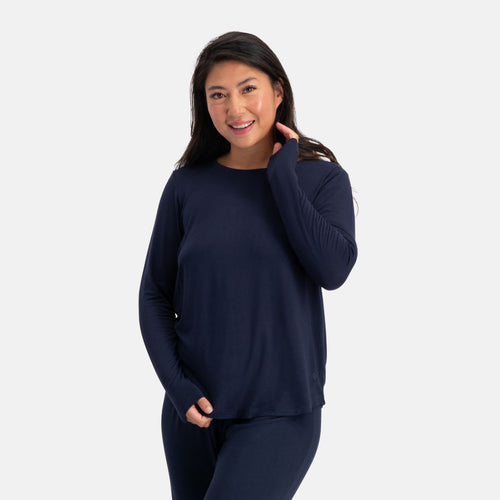
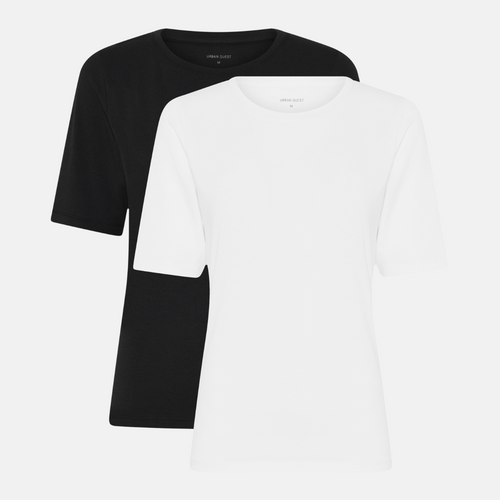
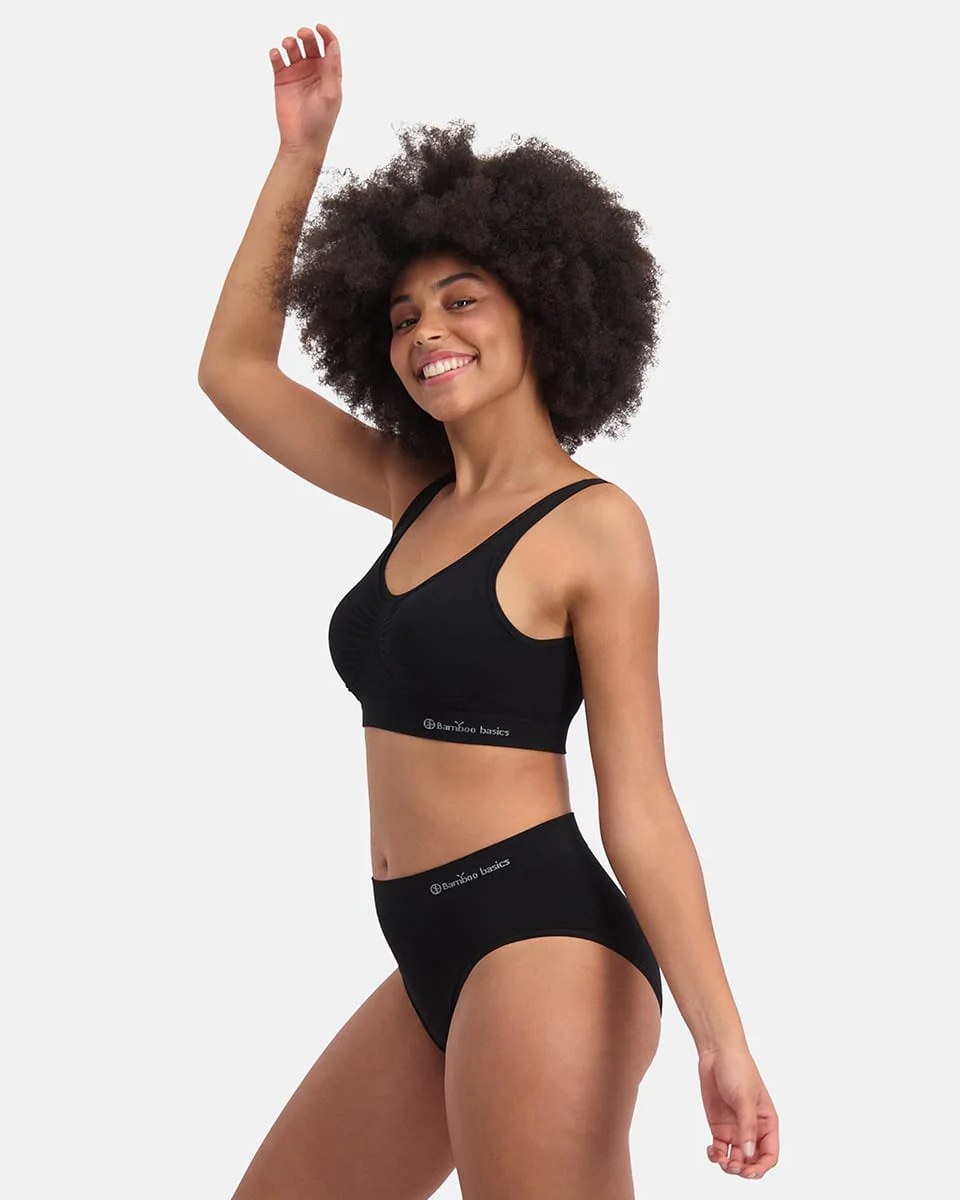
For everyday bamboo underwear for men, bamboo underwear for women and T-shirts, a delicate wash at 40 degrees is the obvious choice. You get proper hygiene and a programme that protects elastic and fibres, so the clothes keep their fit longer.
When the wool cycle makes sense
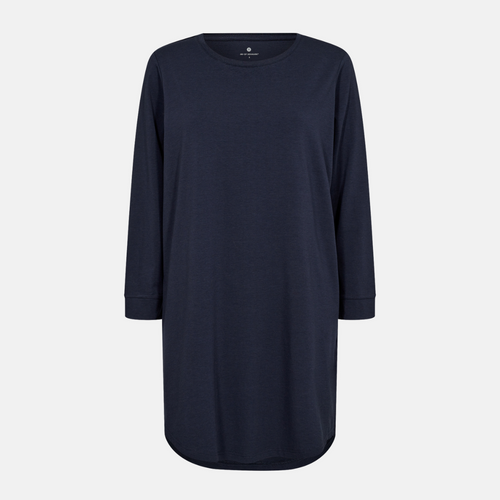
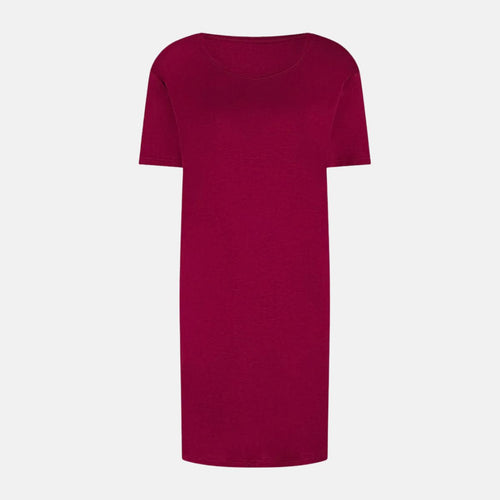
For very delicate items such as a bamboo bra without underwire or thin nightwear for women, the wool cycle can be used, ideally with a laundry bag. It can also suit items that have only been worn briefly and mainly need freshening up.
The laundry bag is a good friend
Whatever the programme, a laundry bag protects delicate items from friction and from zips and hook and loop fasteners in the rest of the load. It also keeps bras and small items together, so straps do not wrap around other clothes. Do not overfill the bag, so water can reach everything.
Choose a low spin
A high spin presses clothes hard against the drum and can cause creases and wear. Choose around 800 to 1000 revolutions, which is enough to remove most of the water. Bamboo releases moisture quickly, so the clothes still dry fast on the rack afterwards.
Mild detergent and no fabric softener
Use a mild detergent without bleach, and avoid fabric softener. Softener coats the fibres and blocks the moisture transport and breathability of bamboo. A colour or wool detergent suits both programmes well, as long as you follow the dosage on the pack.
Drying after the wash
Hang the clothes on a rack or hanger as soon as the programme is finished. If they sit wet in the drum, creases and odours set in more easily. Avoid the tumble dryer, which can make bamboo shrink and wears on the elastic.
In short
A delicate wash at 30 to 40 degrees is the best choice for most bamboo clothing, because it combines gentleness with cleaning power. The wool cycle is a good alternative for the most delicate items. The same basic rules apply to both: mild detergent, no softener and a low spin. See also complete washing guide for bamboo clothing.
Frequently asked questions
Can bamboo be washed on the wool cycle?
Yes, and it is very gentle. The programme cleans less effectively, though, so it suits delicate items and lightly worn clothes best.
Is the delicate cycle better than the wool cycle for bamboo?
For most bamboo clothing, yes. A delicate wash at 30 to 40 degrees protects the fibres while giving clothes worn close to the skin a better clean.
What spin speed should bamboo have?
Choose around 800 to 1000 revolutions. That removes most of the water without unnecessary wear on the fibres or deep creases in the fabric.
See our range of Nordic Weaving bedding.