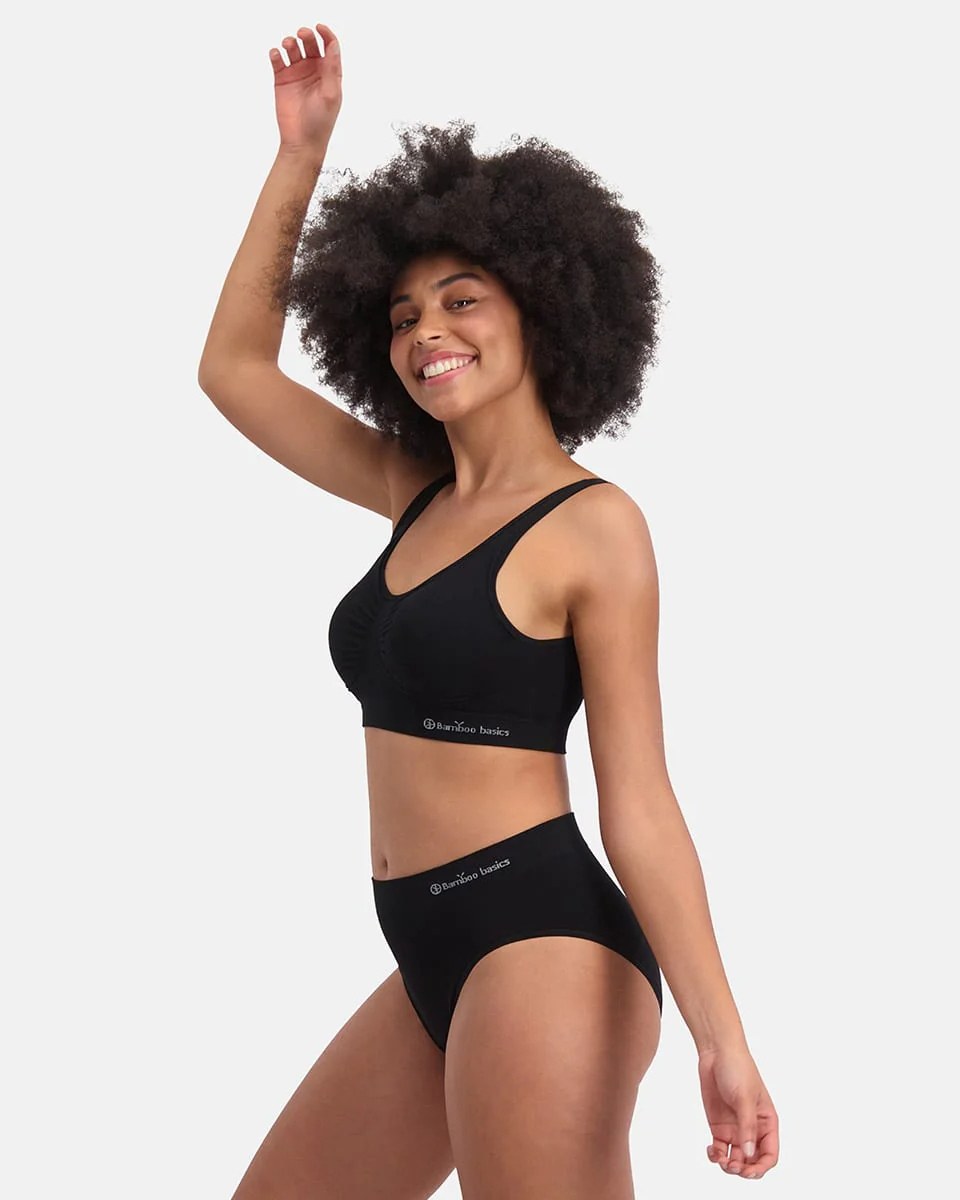
Underwear in natural material for women
Short answer: Natural material is not a protected term. Some people think of cotton, wool and silk, others of fabric made from plant fibres such as bamboo. Here you can see what the phrase can cover and how to choose underwear that suits your everyday life.
What does natural material mean
There is no fixed rule for what counts as natural material, so the phrase is used in different ways. Most often it means fibres from plants or animals, such as cotton, wool and silk. Underwear in natural material can therefore mean many things, so always read the label and check which fibre the garment is actually made of.
Plant fibres and animal fibres are different
Plant fibres such as cotton and linen feel different from animal fibres such as wool and silk, and they are cared for differently too. Wool and silk often need a gentler wash, while cotton is easier to handle day to day. Think about how much care you want to put into washing, because that often decides the choice more than the word natural.
Bamboo is a plant fibre that becomes viscose
Bamboo in clothing is viscose made from bamboo, so the fabric sits somewhere between plant and factory. Many people find it feels smooth and soft against the skin. To see how it looks in practice, browse bamboo underwear for women and compare the content of each garment with the underwear you wear today.
How the fabric feels against the skin
The feel against the skin is personal, and what is pleasant for one person can feel wrong for another. Try a few garments in different materials and notice how they sit after a few hours. Soft seams and a comfortable elastic can matter as much for comfort as the fibre itself, so look at the details too.
Read the fibre content on the label
The fibre content on the label is the safest way to see what a garment is made of. It lists each fibre as a percentage, often with a small share of elastane so the fabric can stretch. A garment can be partly natural and partly synthetic, and that is good to know before you decide what to buy.
Fit matters as much as the material
However good the material is, it does not help if the size is wrong. Measure yourself, compare with the size chart, and choose a size that sits close without cutting in. The elastic should lie softly at the waist and legs, and the fabric should not twist or bunch up as you move through the day.
Combine with socks and tops
If you want the same feel through the whole layer, combine the underwear with all bamboo socks for women and a thin top. Take a look at bamboo tops for women, which sit close to the body, so several layers do not pull in different directions. Keep the fibres fairly similar and the whole outfit feels calmer.
Wash by the care label
Follow the care label and avoid high heat, and the underwear keeps its shape for longer. Wash light and dark colours separately, and use a mild detergent if you are unsure about the fabric. Let the pieces dry flat or in the shade if you can, which protects both the elastic and the fibres.
Frequently asked questions
Is cotton the only natural material?
No, natural fibres come from both plants and animals, such as cotton, linen, wool and silk. Bamboo viscose is a processed plant fibre, so always read the label to know what applies.
How can I see what my underwear is made of?
Look at the fibre content on the label inside the garment. Each fibre is listed as a percentage, and you can see whether it contains elastane or other materials you either want or prefer to avoid.
Do natural materials need to be washed differently?
It depends on the fibre. Wool and silk often need a milder wash, while cotton and viscose cope with an ordinary wash if you follow the care label. Avoid high heat if you are unsure.