UV protection in clothes and what UPF means
Short answer: UPF shows how much ultraviolet light a fabric lets through. Dense and dark fabrics protect more than thin and light ones, whatever fibre they are made from, and wet fabric protects less than dry fabric.
What the number means
UPF stands for ultraviolet protection factor. UPF 30 means that about one thirtieth of the ultraviolet radiation passes through the fabric. The higher the number, the less light gets through. The number only applies to clothing tested to a standard, and it is then stated on the product.
Density matters most
A tightly woven or knitted fabric lets less light through than an open one. Hold the fabric up to the light and you can see the difference yourself. If you clearly see light through it, ultraviolet radiation gets through too. It is a simple test you can do in a shop or at home.
Dark colours protect more
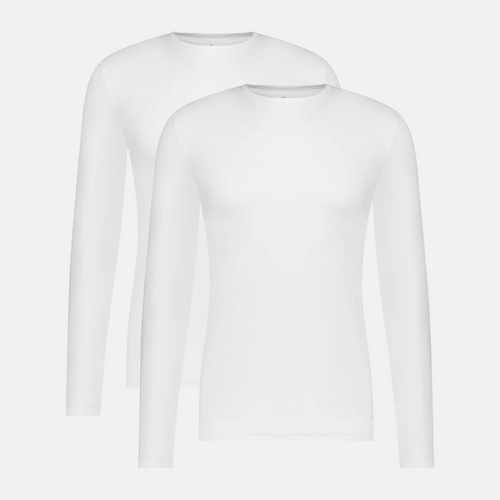
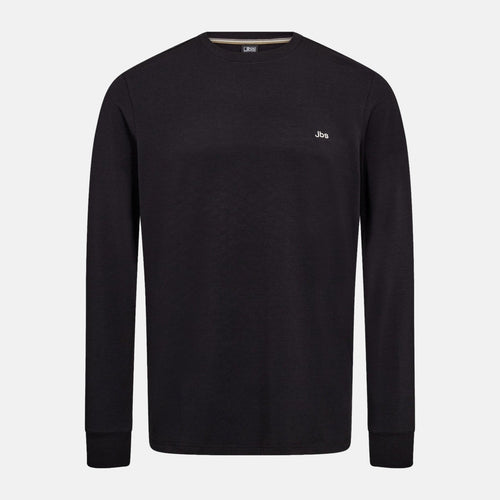
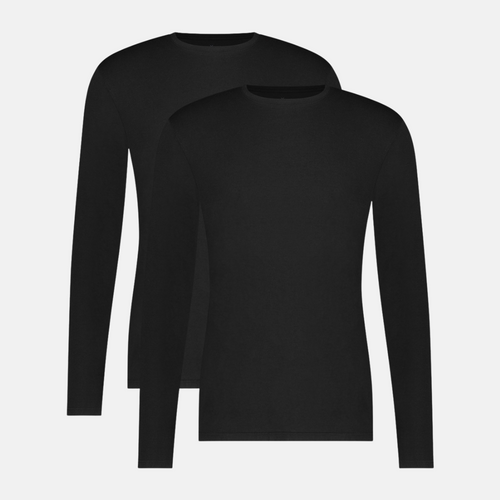
Dark dyes absorb more light than light ones. A black T-shirt therefore protects more than a white one of the same thickness and density. That does not make light clothing worthless, but if you want the most protection, a dark colour in a dense fabric is the best choice.
Wet fabric protects less
When fabric gets wet from water or sweat, it lets more light through. That is worth knowing at the beach or after a swim, where a wet T-shirt gives less protection than a dry one. Change into a dry top after you have been in the water.
The fibre plays a smaller role
Density, colour and thickness mainly decide how much light gets through. The fibre type plays a smaller role than many think. Claims that a certain material protects against the sun on its own should therefore be read with scepticism. Read more in bamboo and UV protection.
Clothing over cream on the shoulders
A layer of fabric over the shoulders is more reliable than cream that must be reapplied during the day. Shoulders and neck are places many people forget. A T-shirt with sleeves covers them all day. See bamboo T-shirts for men.
For hot days
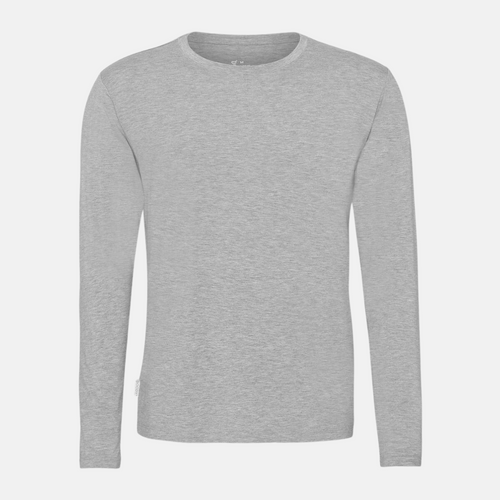
A loose, long sleeved top in a light fabric can feel cooler than direct sun on the skin, because it gives shade and lets air move. Choose a fit that does not cling, so sweat can evaporate. See bamboo long sleeve T-shirt for men.
Wear and stretch
Clothing worn thin, or stretched over the body, lets more light through than new clothing that fits loosely. A tight top can therefore protect less than the same top a size up. That is worth remembering when you choose clothes for a long day in the sun.
Clothing is only part of it
Clothing is one layer of protection, but not the only one. Shade, a hat, sunglasses and sunscreen on areas the clothes do not cover all play a part. If you have especially sensitive skin, or are unsure how best to protect yourself, talk to your doctor.
In short
UPF tells you how much ultraviolet light gets through a fabric. Dense, dark and dry fabrics protect most. The fibre matters less than density and colour. Use clothing as one layer among several, and hold the fabric up to the light yourself when in doubt.
Frequently asked questions
Does an ordinary T-shirt protect against the sun?
Partly. Density and colour decide how much light gets through. A dense, dark T-shirt protects more than a thin, light one, and protection drops when the fabric gets wet.
Does bamboo clothing protect especially well against UV?
The fibre plays a smaller role than density and colour. A dense, dark fabric protects more than a thin, light one, whether it is bamboo viscose or cotton.
What does UPF 50 mean?
It means that about one fiftieth of the ultraviolet radiation passes through the fabric. The number only applies to clothing that has been tested to a standard.
You can find the full range at Bamboo-Clothing.com.