What temperature regulation in clothes actually means
Short answer: A fabric cannot warm or cool by itself. What is called temperature regulation is really about how quickly the fabric moves moisture away from the skin and how much air it holds.
Moisture decides the feeling
Wet fabric against the skin draws heat away from the body, because water conducts heat far better than air. That is why a fabric that moves moisture away feels cooler in summer and warmer in winter. The fabric does not change temperature. The skin is kept dry, so the body can manage its own heat.
Air between the layers
A layer of air between two thin layers insulates better than one thick layer. Air conducts heat poorly, and when it stays still between two layers of fabric, it works as insulation. That is why layering works, and why two thin tops often keep you warmer than a single heavy jumper.
What bamboo viscose does
The fibre absorbs moisture and moves it further into the fabric, where it can evaporate. This is the property people describe as cooling when they wear a thin top on a warm day. The skin feels dry rather than clammy, which makes a real difference to how comfortable the garment is.
What it does not do
The fabric does not change temperature on its own and does not react to the weather. It has no built in thermostat and cannot tell whether you are cold or hot. Marketing that promises more than that promises too much. Think of clothing as help for the body, not as something doing the work.
At night
Under the duvet the temperature shifts all night. The body releases moisture, the duvet holds the heat, and many people wake up because they are either sweating or cold. A fabric that moves moisture away makes these swings less noticeable. Read more in bamboo and temperature regulation.
In winter
A thin base layer does more than an extra jumper on top. The base layer sits close to the skin, keeps it dry and lets the outer layers do the insulating. If the innermost layer gets wet with sweat, a thick coat will not help much. See more about the bamboo vest as a base layer.
In summer
When it is warm, moisture needs to escape quickly. Choose thin, loose styles that let air in underneath, and avoid tight layers. A thin top often feels more comfortable than bare skin in the sun, because it gives shade while drawing sweat away from the skin.
Fit and temperature
The fit affects how the fabric works. A base layer should sit close so it can take moisture straight from the skin. A summer top can sit loosely so air can move. The same top can feel different depending on the size, so think about how you will use it before choosing.
Washing and performance
Fabric softener can weaken the ability to move moisture, because it leaves a thin film on the fibres. Wash at 30 or 40 degrees with a mild detergent and skip the softener. Hang the clothes to dry instead of using a tumble dryer. That way they keep both their softness and their ability to keep skin dry.
The range
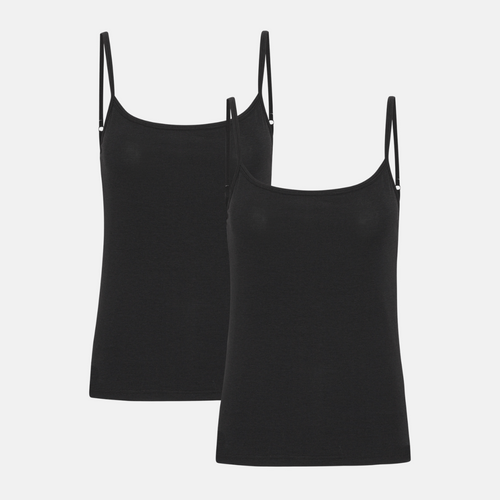
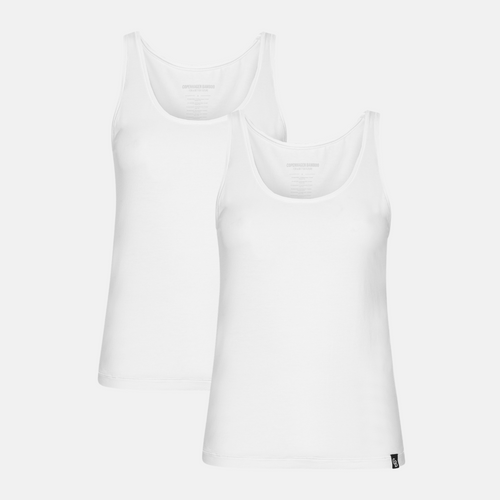
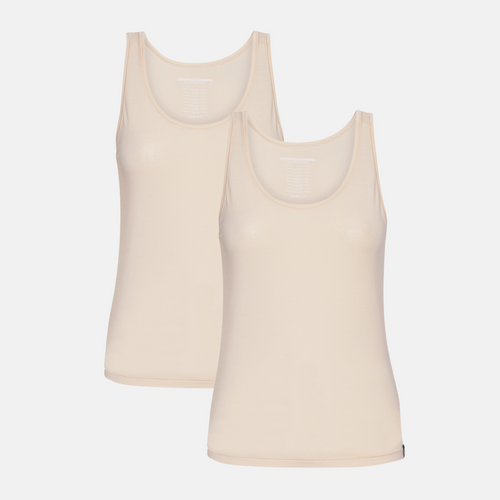
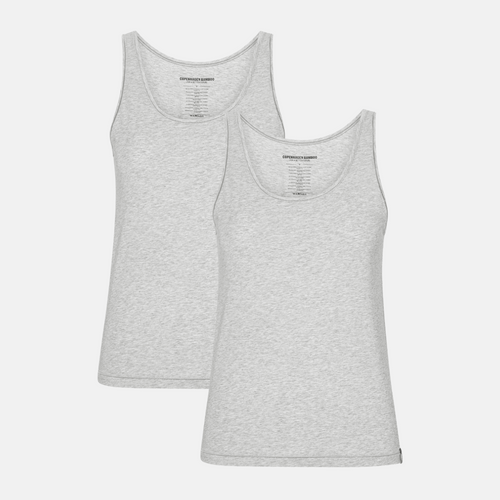
If you want to try a base layer you can wear all year, a thin vest is a good place to start. It works alone in summer and under a shirt or jumper in winter. Browse the base layers in bamboo vests for women, where you will find different styles and fits.
Frequently asked questions
Can clothing cool the body?
Not actively. It can move moisture away from the skin so the body's own cooling works better. The cool feeling comes from the skin staying dry rather than clammy.
Is bamboo warm enough in winter?
As a base layer, yes, because it keeps the skin dry. In real cold it needs insulating layers on top, as a thin layer on its own will not keep you warm.
Why do I get cold in wet clothes?
Because water conducts heat much better than air. When the fabric against your skin is wet, heat is drawn quickly from the body, and you feel cold even in mild weather.
You can find the full range at Bamboo-Clothing.com.