What a bar tack is for
Short answer: A bar tack is a short, very dense block of stitches that sits across a stressed point. It holds the fabric together, spreads the pull and stops a tear before it starts. It is small to look at, but it often decides how long a pocket, a fly or a belt loop lasts.
A point that needs locking
Where a seam ends, or where two pieces meet, the fabric can start to give way. Pressure from a hand or a belt gathers in one small spot. A bar tack packs many stitches on top of each other there, so the strain is spread over a larger area.
What it looks like
A bar tack looks like a small, dense block of stitches, often zigzag or several short rows side by side. It is usually only a few millimetres wide and sits across the direction of the pull, so the threads act almost like a tiny rivet holding two layers together.
Where to find them
Look at pocket corners, the end of a fly, belt loops and slits in sides or sleeves. These are the places where a hand or a belt pulls hardest. Everyday clothes such as bamboo sweatpants for men have pockets and cuffs where it is worth looking for a bar tack.
Why corners are exposed
A corner is where forces from two directions meet. Pull on a pocket and all the strain goes into the outermost stitch, and if thread or fabric gives way there, the tear runs on along the seam. A bar tack in the corner supports the fabric and makes it much harder for small damage to grow.
When it is missing
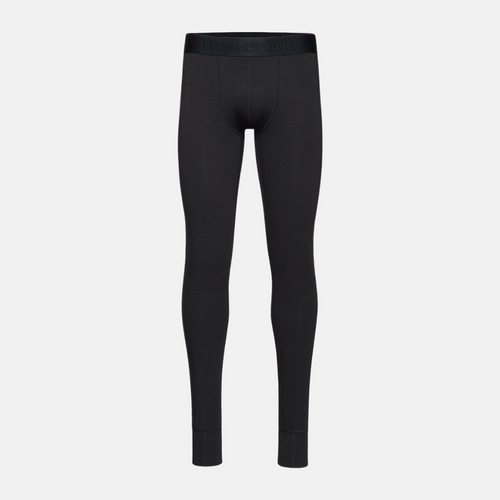
Without a bar tack, a small tug at a pocket edge can turn into a tear within weeks, especially if you often put your hands in your pockets or carry keys and a phone. It is one of the cheapest reinforcements to leave out. Lighter pieces like bamboo tank tops for men and bamboo long johns carry less load.
Light clothes and heavy use
The lighter the fabric, the more it matters that the pull is spread neatly. In a thin tank top or long johns the seams carry less but lie closer to the skin, so a bar tack should be flat and soft. Under heavy use, at pockets, cuffs and corners, a clear bar tack is a good sign.
How to check quality
Turn the garment inside out and look at the bar tack from the inside. The stitches should lie dense and even with no loose ends, and the thread should match the rest of the seam in colour and thickness. Pull gently at the pocket edge and see whether the fabric holds. Frayed or popped stitches suggest the seam was not made with care.
Can you repair one at home
Yes, if the damage is caught early. Sew a dense zigzag back and forth over the stressed spot a few times, ideally with thread that matches in colour and thickness. Without a sewing machine, tight hand stitches across the tear work too. It is easier to reinforce before damage happens than to repair afterwards.
What to remember
A bar tack is small but makes a big difference to how long clothes last in daily use. Look for it at pockets, flies and belt loops when choosing trousers, and do not expect it in light pieces such as tank tops. If it is missing where there is a lot of pull, reinforce it yourself before a tear appears.
Frequently asked questions
Can I sew a bar tack myself
Yes. Sew a dense zigzag back and forth over the spot a few times, ideally in matching thread, and finish with a few stitches in the seam itself so the thread does not unravel.
How long is a typical bar tack
Usually between five and fifteen millimetres, depending on how strong the pull is. The more stressed the spot, the longer and denser the bar tack tends to be.
Can too much bar tacking cause damage
Yes. Too many stitches in the same spot weaken the fabric like a perforation, because the needle punches hole after hole. Dense is good, but fabric must remain between the stitches.
You can find the full range at Bamboo-Clothing.com.