What air permeability is measured in
Short answer: Air permeability is measured as the amount of air passing through an area of fabric per second at a fixed pressure. The number tells you how open the fabric is. It is useful to know, but it does not say everything about how comfortable a garment is to wear.
How it is measured
A device draws air through a round sample of the fabric at a fixed suction. The amount that passes through is read off and given in litres per square metre per second. The sample must be flat and free of folds, and the test is repeated several times so the figure becomes a reliable average.
What the number says about comfort
High permeability means warm, damp air can escape easily through the fabric. Low means the fabric holds on to both heat and moisture. Either can be right, depending on what the clothing is for and the weather you are out in. See bamboo tennis socks for women, where air exchange matters a lot.
It is not the same as breathability
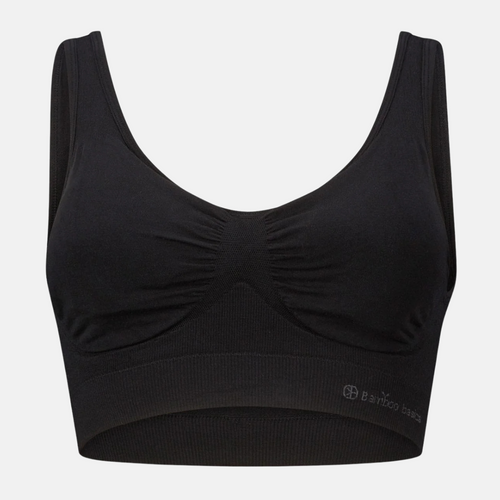
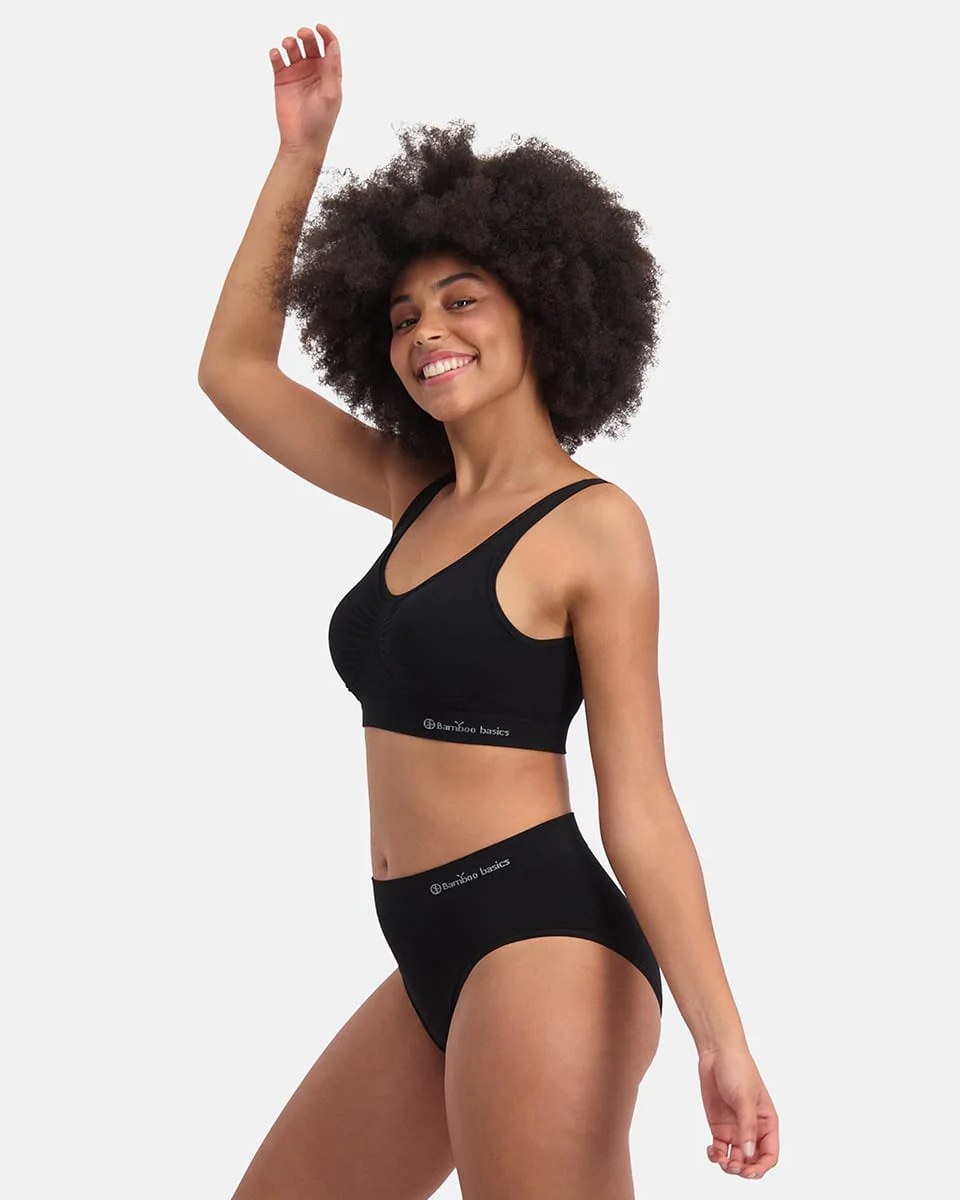
Breathability also depends on how moisture travels through the fibres and between the threads. A dense fabric can move moisture well even if air does not pass freely. Air permeability describes only one side, namely how easily air itself gets through. See bamboo pillowcases and bamboo bra without underwire.
Why one number is not enough
Two fabrics can have the same air permeability and still feel different. Fibre type, yarn thickness and finishing affect how the fabric behaves on the skin. The number should be seen as one piece of information, not a verdict on the whole fabric. It is best combined with a description of how the clothing feels.
What affects the number
Loop size, yarn twist and how tightly the fabric is woven or knitted matter a great deal. A loose knit lets a lot of air through, while a tightly woven fabric lets far less pass. Finishes such as brushing can also close the surface slightly. The number changes if the fabric is treated differently, even with the same fibres.
When dense fabric is an advantage
High permeability is not always best. In wind and cold a dense fabric is more comfortable, because it keeps wind out and warmth in. The same applies at night, when many people like a somewhat closed layer around them. The choice is about weather and activity, not chasing the highest number.
How washing changes the number
The fabric contracts in the wash and permeability falls slightly. This happens mostly in the first few washes, as the fibres settle and the knit becomes a little denser. After that it usually stabilises. By following the care label and avoiding too much heat, you keep the fabric close to how it looked and felt at the start.
Feeling the difference yourself
Hold the fabric in front of your mouth and blow through it. If you feel the air on the other side, permeability is high. If you feel almost nothing, the fabric is dense. It is not a laboratory measurement, but it gives a feel you can compare with other clothing when you stand in a shop or sort your wardrobe.
Using the number in practice
Compare numbers for fabrics of the same type and use, and read the description alongside. A number alone does not tell you whether something suits you. Combine it with your own experience of what feels comfortable, and with the weather and activity the clothing is meant for.
Frequently asked questions
Is high air permeability always best
No. In wind and cold a dense fabric is more comfortable because it holds warmth. The right choice depends on weather, activity and personal comfort, not only on how high the number is.
Does the number change with washing
Yes. The fabric contracts and permeability falls slightly. This happens mostly in the first few washes, and afterwards the number usually stays fairly stable if you follow the care label.
Can I feel the difference
Yes. Hold the fabric in front of your mouth and blow through it. If you feel the air on the other side, permeability is high, and if you feel almost nothing, the fabric is dense.
You can find the full range at Bamboo-Clothing.com.